Product Description
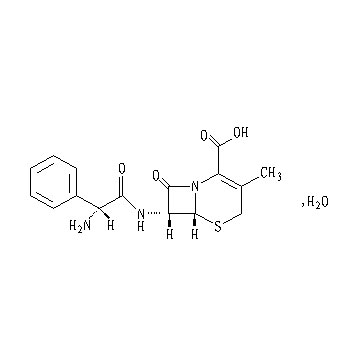
Cefradine ( Compacted & Micronized ) USP/BP
25kg/drum
GMP /DMF Certificates
White to off-white, crystalline
Assay (anhydrous substance) : 900μg/mg~1050μg/mg
AI Product Description
*The following content is generated by AI and is for reference only.
Cefradine, chemically known as Cephalexin monohydrate or 7-(D-2-amino-2-phenylacetamido)-3-methyl-8-oxo-5-thia-1-azabicyclo[4.2.0]oct-2-ene-2-carboxylic acid, is a widely utilized first-generation cephalosporin antibiotic. Its molecular formula is C16H17N3O4S, and it carries the unique Chemical Abstracts Service (CAS) registry number 15686-71-2. This white to off-white crystalline powder exhibits excellent solubility in water and is highly stable under standard storage conditions.
Primarily employed in both human and veterinary medicine, Cefradine functions by inhibiting bacterial cell wall synthesis. It binds to penicillin-binding proteins, disrupting the cross-linking of peptidoglycan layers essential for bacterial structural integrity. Consequently, susceptible bacteria undergo lysis and death. The drug demonstrates broad-spectrum activity against Gram-positive organisms, including methicillin-sensitive Staphylococcus aureus and Streptococcus pyogenes, while maintaining moderate efficacy against certain Gram-negative strains like Escherichia coli and Proteus mirabilis. However, it remains ineffective against methicillin-resistant Staphylococcus aureus (MRSA), Pseudomonas aeruginosa, and anaerobes.
Clinically, Cefradine is frequently prescribed for treating uncomplicated urinary tract infections, respiratory tract infections such as tonsillitis and pharyngitis, skin and soft tissue infections, and bone infections. Its pharmacokinetic profile supports oral administration, offering high bioavailability with peak plasma concentrations reached within one hour. The drug is rapidly distributed into tissues and fluids but does not easily cross the blood-brain barrier. Excretion occurs primarily through renal elimination via glomerular filtration and tubular secretion, necessitating dosage adjustments in patients with significant renal impairment. Common adverse effects include gastrointestinal disturbances like nausea, diarrhea, and abdominal pain, along with occasional hypersensitivity reactions ranging from mild rashes to severe anaphylaxis in penicillin-allergic individuals. Due to its established safety profile, cost-effectiveness, and ease of use, Cefradine remains a cornerstone therapy for various common bacterial infections globally.




 (All Rights Reserved)