Product Description
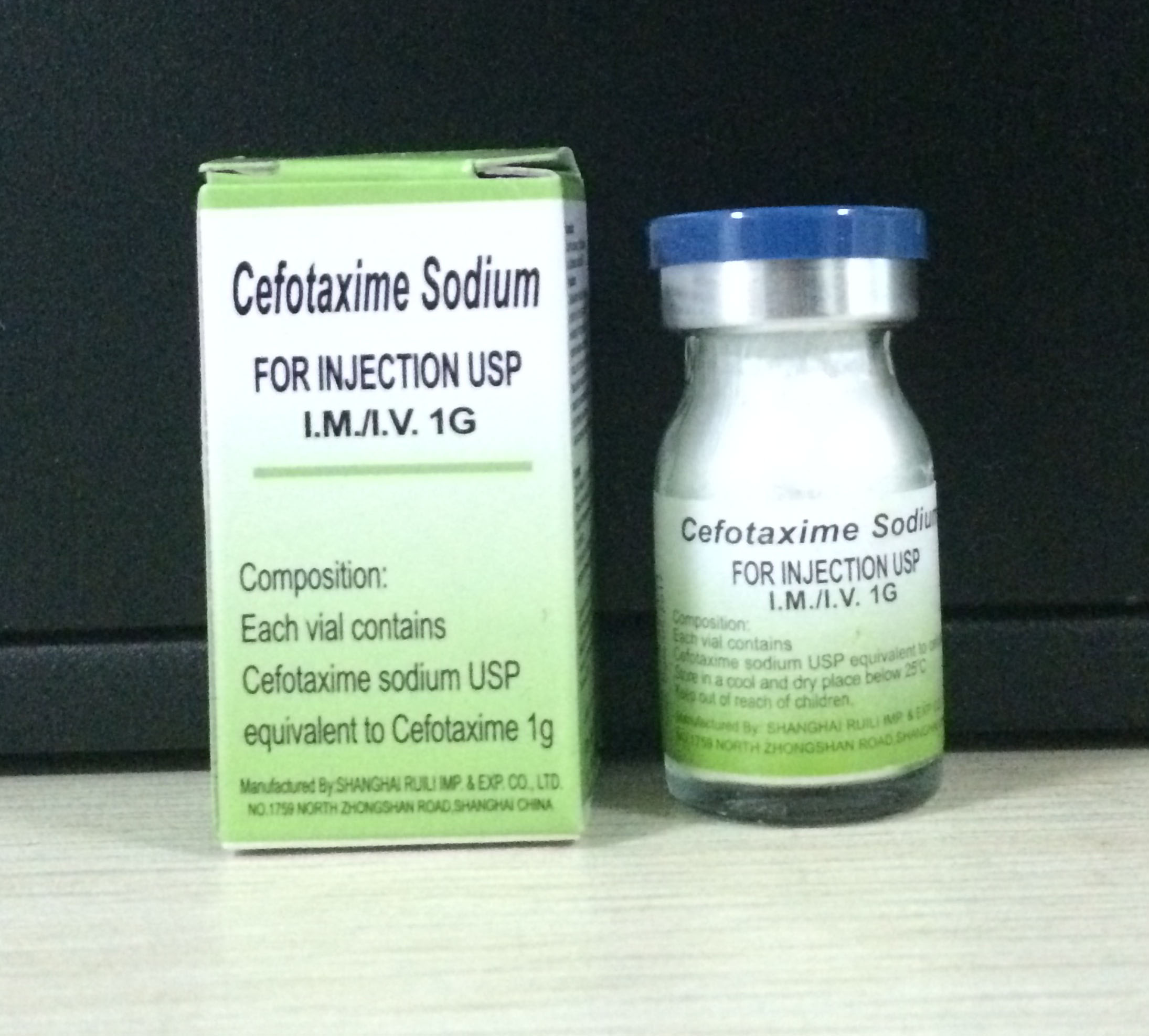
Cefotaxime sodium for injection, 1g/7ml/10ml/12ml
1vial/small box, 50boxes/middle box(Aluminum-plastic composite cap)
1vial/small box, 50boxes/middle box;
or according to the customer's specifications.
AI Product Description
*The following content is generated by AI and is for reference only.
Cefotaxime Sodium for Injection, 1g, is a third-generation cephalosporin antibiotic widely utilized in clinical settings to treat a broad spectrum of serious bacterial infections. Administered exclusively via intravenous or deep intramuscular routes, this sterile powder is reconstituted with appropriate diluents before use. Its primary mechanism involves inhibiting bacterial cell wall synthesis by binding to penicillin-binding proteins, thereby causing cell lysis and death. This medication is highly effective against both Gram-positive and Gram-negative organisms, including strains of *Escherichia coli*, *Klebsiella pneumoniae*, *Haemophilus influenzae*, and *Neisseria meningitidis*. Consequently, it is frequently prescribed for severe conditions such as septicemia, meningitis, pneumonia, urinary tract infections, pelvic inflammatory disease, and complicated intra-abdominal infections.
The standard adult dosage typically ranges from 1 to 2 grams every 8 to 12 hours, adjusted based on the severity of the infection, renal function, and patient age. For neonates and infants, dosing is strictly calculated according to body weight and gestational age to ensure safety and efficacy. While generally well-tolerated, patients must be screened for hypersensitivity to cephalosporins or other beta-lactam antibiotics due to the risk of anaphylaxis. Cross-reactivity with penicillins occurs in a small percentage of allergic individuals. Common adverse reactions include local pain at the injection site, gastrointestinal disturbances like nausea or diarrhea, and transient elevations in liver enzymes. Rare but serious side effects may involve Clostridioides difficile-associated diarrhea, seizures (particularly in patients with renal impairment), or blood dyscrasias.
Special caution is required when administering to patients with significant renal dysfunction, as dose reduction is necessary to prevent drug accumulation and neurotoxicity. The product should be inspected visually for particulate matter and discoloration prior to administration; the solution should be clear and colorless. It is not indicated for viral infections. To minimize resistance development, Cefotaxime should only be used for confirmed or strongly suspected bacterial infections. Healthcare providers must monitor patients closely during therapy, especially regarding signs of superinfection or allergic responses. Proper storage requires keeping the vials in their original packaging at controlled room temperature until reconstitution, after which the solution should be used immediately or stored under specific refrigerated conditions depending on the diluent used.





 (All Rights Reserved)