Product Description
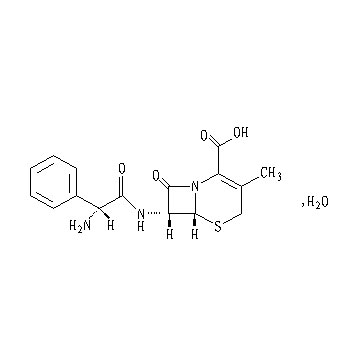
Cefalexin (Compacted & micronized )USP/BP/EP
25kgs/drum
GMP / DMF Certificate
White or almost white, crystalline powder.
Assay: 95.0% to 102.0%
AI Product Description
*The following content is generated by AI and is for reference only.
Cefalexin, chemically known as 3-[(5-methyl-1,3,4-thiadiazol-2-yl)methyl]-8-oxo-7-[[(2R)-2-amino-2-(phenylacetyl)amino]methyl]-5-thia-1-azabicyclo[4.2.0]oct-2-ene-2-carboxylic acid, is a widely prescribed first-generation cephalosporin antibiotic. Its molecular formula is C16H17N5O4S2, and it carries the unique CAS registry number 15686-71-2. This semi-synthetic compound belongs to the beta-lactam class of antibiotics, characterized by its ability to inhibit bacterial cell wall synthesis, leading to cell lysis and death. Cefalexin exhibits broad-spectrum activity primarily against Gram-positive bacteria, including methicillin-sensitive Staphylococcus aureus and Streptococcus pyogenes, while maintaining moderate efficacy against certain Gram-negative organisms such as Escherichia coli and Proteus mirabilis.
Due to its favorable pharmacokinetic profile, Cefalexin is rapidly absorbed from the gastrointestinal tract following oral administration, making it highly convenient for outpatient treatment regimens. It demonstrates excellent stability in acidic environments and achieves high concentrations in various body tissues, including skin, bone, and respiratory secretions, without requiring significant hepatic metabolism. The drug is predominantly excreted unchanged via the kidneys, necessitating dose adjustments in patients with renal impairment. Clinically, Cefalexin is the first-line therapy for uncomplicated skin and soft tissue infections, acute otitis media, pharyngitis caused by group A streptococci, and urinary tract infections. It is also frequently utilized as prophylaxis for dental procedures in penicillin-allergic patients, provided they do not have a history of severe cephalosporin hypersensitivity. Common side effects are generally mild and may include gastrointestinal disturbances like diarrhea, nausea, or abdominal pain. While resistance mechanisms exist, particularly among community-acquired MRSA strains, Cefalexin remains a cornerstone in antimicrobial stewardship programs for treating susceptible bacterial infections globally. Its availability in multiple dosage forms, including capsules, tablets, and oral suspensions, ensures versatile application across different patient demographics, from pediatric populations to the elderly.



 (All Rights Reserved)