Product Description
Whether to import
no
model
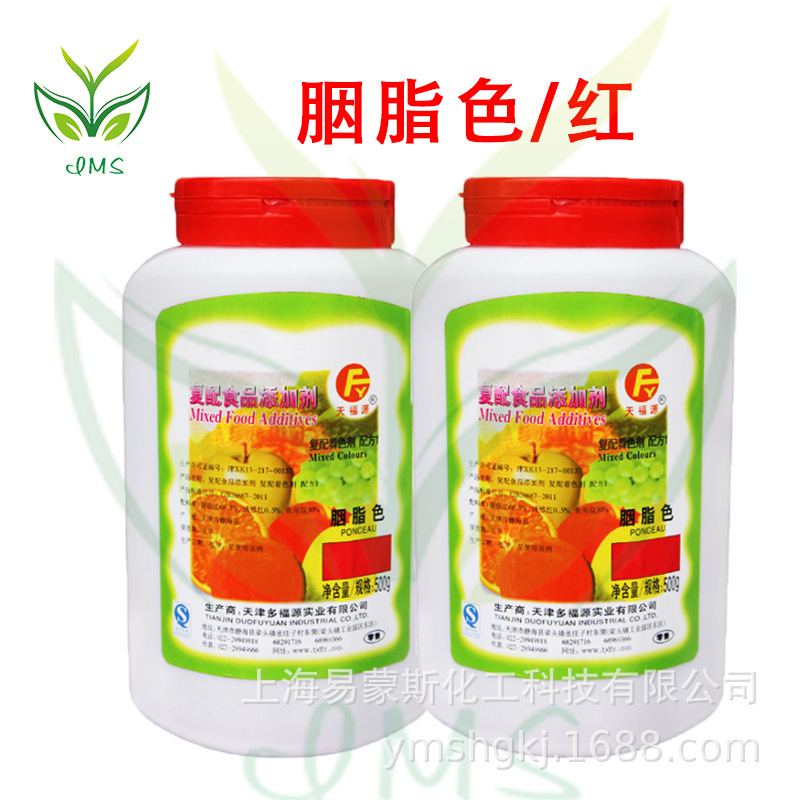
Carmine 85%
Main coloring ingredients
Carmine
brand
Tianjin
Pigment content
85 (%)
Source
Synthetic colorant
Effective substance content
100 (%)
Product specifications
500 g/bottle, 20 bottles/box, 25 kg/box
Executive standard
GB4480.1
The main purpose
Food additives
CAS
1390-65-4
Food additive production license number
SC20112011810495
AI Product Description
*The following content is generated by AI and is for reference only.
Carmine pigment 85% is a high-concentration, natural red colorant derived from the dried bodies of female cochineal insects (Dactylopius coccus). Renowned for its intense hue and excellent lightfastness, this pigment serves as a premium alternative to synthetic dyes in various industries where natural origin is preferred. Its primary applications span the food and beverage sector, where it imparts vibrant red tones to dairy products, confectionery, fruit juices, and meat preparations. Beyond food, it is widely utilized in cosmetics, including lipsticks, blushes, and nail polishes, due to its compatibility with skin and ability to provide a rich, matte finish. In artistic fields, artists value it for watercolors and oils because of its unique transparency and granulation properties.
The pigment typically appears as a deep crimson powder that dissolves readily in alkaline solutions but requires specific dispersion techniques in oil or water-based systems to prevent clumping. When handling this material, strict safety protocols must be observed. Although generally considered safe for external use and consumption within regulated limits, carmine is a known potent allergen. Individuals with allergies to shellfish or specific insect proteins may experience severe hypersensitivity reactions, ranging from hives to anaphylactic shock. Consequently, products containing this ingredient must carry clear labeling warnings to inform consumers.
From a storage perspective, the powder should be kept in a cool, dry place away from direct sunlight and moisture to maintain its stability and prevent degradation. Exposure to extreme heat or fluctuating pH levels can alter the color intensity, shifting the hue towards orange or brown. Furthermore, while it offers superior opacity compared to many other natural pigments, formulation scientists must account for potential interactions with metal ions, which might cause slight color changes over time. Regulatory compliance varies by region; for instance, the European Union and the United States have distinct approval codes and maximum usage limits for food additives. Proper documentation and adherence to local food safety standards are essential before commercial distribution. Overall, Carmine pigment 85% remains a versatile choice for manufacturers seeking a powerful, nature-derived coloring agent, provided that allergy risks are managed through rigorous testing and transparent consumer communication.




 (All Rights Reserved)