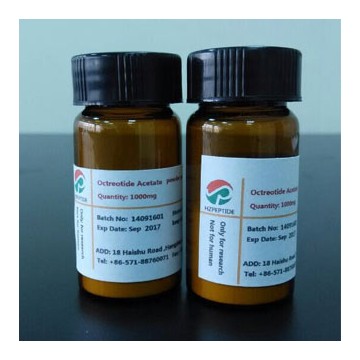
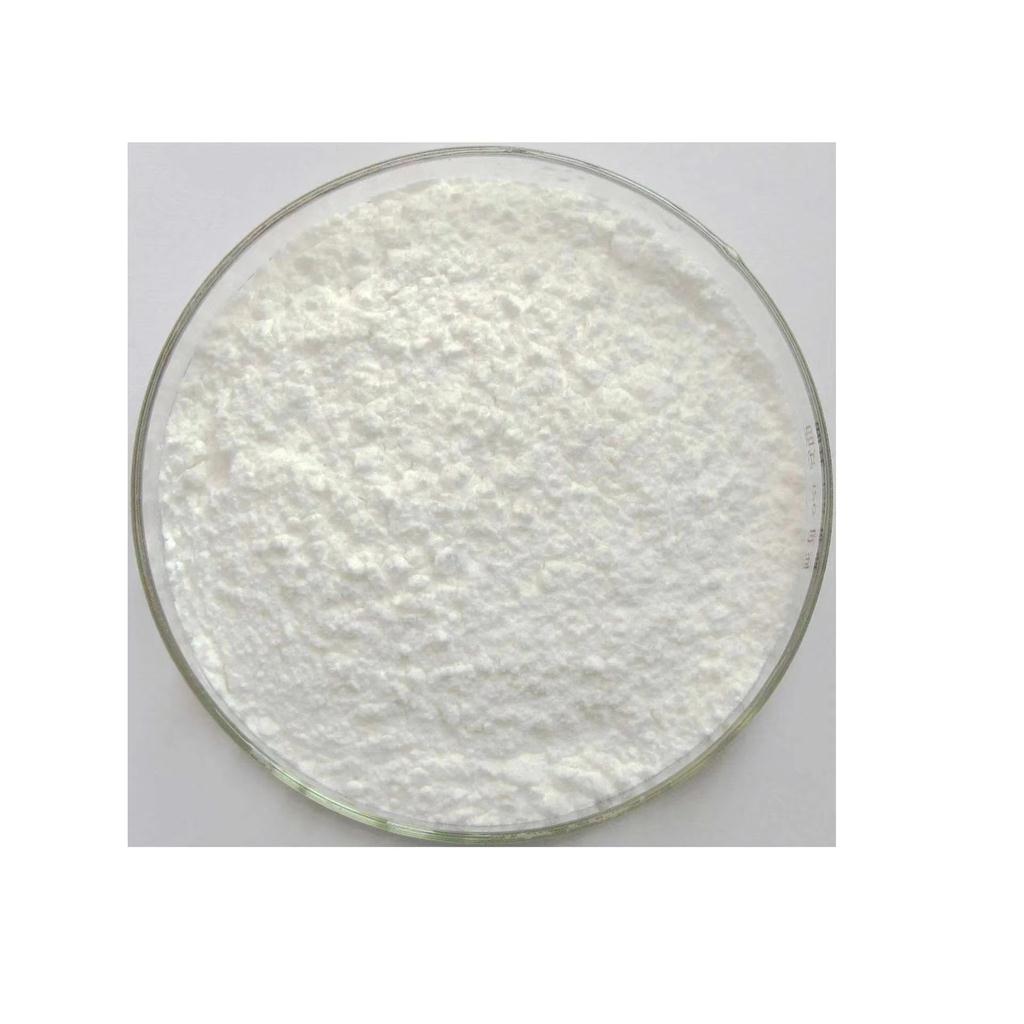
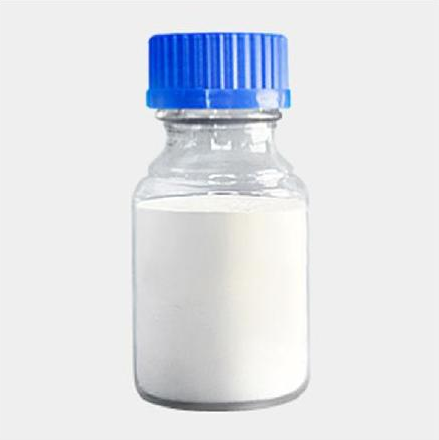
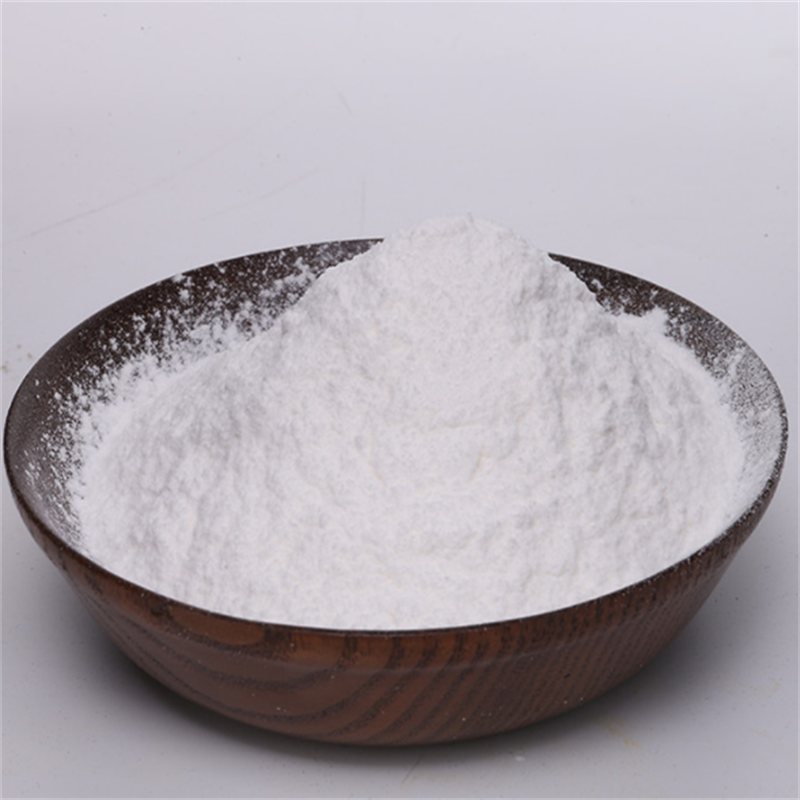
Full name : Carbetocin Acetate 醋酸卡贝缩宫素
Cas No.: 37025-55-1
Sequence: c(CH2CH2CH2CONH-Tyr(Me)-Ile-Gln-Asn-Cys)-Pro-Leu-Gly-NH2.Acetate Salt
Purity: ≥98.0%
Single Impurity:≤0.50% Storage Temp: 2 ~ 8 °C
Packing Size: 1g/bottle, 10g/bottle, 50g/bottle or at customer requirement
*The following content is generated by AI and is for reference only.
Carbetocin Acetate is a synthetic analog of the natural hormone oxytocin, specifically designed for the prevention and treatment of postpartum hemorrhage (PPH). With the chemical formula C49H73N15O12S and CAS Registry Number 89613-05-4, this compound belongs to the class of peptide agonists that mimic the uterotonic effects of endogenous oxytocin. Unlike native oxytocin, which has a very short half-life requiring continuous infusion or frequent dosing, Carbetocin features a modified structure that significantly prolongs its duration of action, allowing for a single intravenous or subcutaneous injection to maintain effective uterine contraction for up to four hours.
The primary clinical application of Carbetocin Acetate is in obstetrics, particularly following cesarean sections or vaginal deliveries where there is a high risk of excessive bleeding due to uterine atony. By binding selectively to oxytocin receptors on the myometrium, it stimulates strong, sustained contractions that compress blood vessels at the placental site, thereby minimizing blood loss. Its extended pharmacokinetic profile offers a distinct advantage over traditional oxytocin therapy, simplifying administration protocols and reducing the workload for healthcare providers during critical post-delivery periods. Furthermore, studies suggest it may be more effective than ergometrine in preventing PPH with fewer side effects such as nausea, vomiting, or hypertension, making it a preferred choice in many modern maternity wards globally.
While generally well-tolerated, potential adverse reactions can include headache, flushing, hypotension, or transient tachycardia. It is strictly contraindicated in patients with known hypersensitivity to carbetocin or those with active labor where delivery has not yet occurred, as premature induction could lead to fetal distress. The acetate salt form ensures stability and solubility for pharmaceutical preparation. As a vital tool in maternal health management, Carbetocin Acetate represents a significant advancement in reducing maternal mortality rates associated with postpartum hemorrhage, offering a reliable, long-acting solution for maintaining uterine tone when immediate intervention is crucial for patient safety.





 (All Rights Reserved)