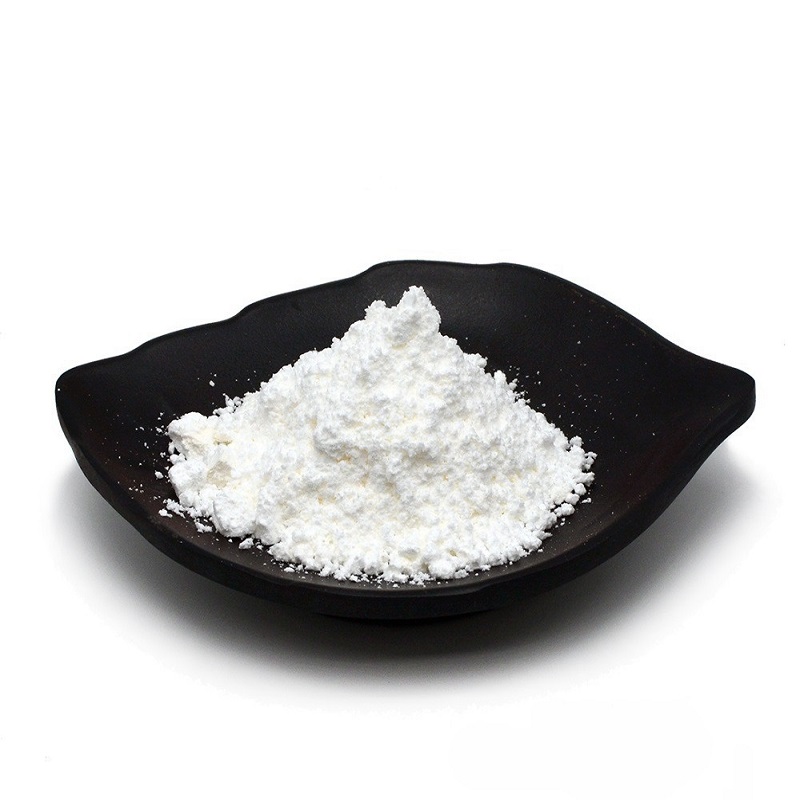
Has antipyretic and analgesic effects, used for the treatment of pain and febrile diseases. Usage: Used for fever, pain, and inflammation caused by various reasons. It can also be used for kidney swelling and urate deposition in chickens. It can alleviate symptoms of unnamed high fever, chicken flu, atypical Newcastle disease, infectious bursal disease, and infectious bronchitis in pigs, and has an auxiliary therapeutic effect.
*The following content is generated by AI and is for reference only.
Carbasalate calcium is a non-steroidal anti-inflammatory drug (NSAID) derived from acetylsalicylic acid, widely utilized in clinical settings for the management of pain and inflammation. Chemically known as calcium bis(acetylsalicylate), this compound represents a unique prodrug formulation where two molecules of acetylsalicylic acid are linked via a carbonate bridge to a single calcium ion. This specific molecular architecture significantly enhances its solubility compared to traditional aspirin while mitigating direct gastric irritation. The standard molecular formula for carbasalate calcium is C18H14CaO9, and it is uniquely identified by the CAS registry number 23605-73-6.
The primary therapeutic application of carbasalate calcium lies in the treatment of acute and chronic inflammatory conditions, including rheumatoid arthritis, osteoarthritis, and various musculoskeletal disorders. It serves as an effective analgesic and antipyretic agent, offering relief from mild to moderate pain associated with these conditions. A distinguishing feature of this medication is its improved gastrointestinal safety profile. By bypassing the need for direct acid release in the stomach, it reduces the risk of mucosal damage, making it a preferred option for patients with a history of gastric ulcers or those requiring long-term therapy. Once administered, enzymatic hydrolysis in the bloodstream releases active salicylic acid, which inhibits cyclooxygenase enzymes, thereby blocking the synthesis of prostaglandins responsible for pain and inflammation.
Beyond its therapeutic utility, carbasalate calcium is valued in pharmaceutical research for its stability and bioavailability characteristics. Its calcium content also offers a potential dual benefit, though the primary mechanism remains NSAID activity. While generally well-tolerated, standard precautions regarding bleeding risks and hypersensitivity reactions typical of salicylates apply. Clinicians often prescribe it in tablet or powder forms, ensuring precise dosing for optimal patient outcomes. As a versatile alternative to conventional aspirin, carbasalate calcium continues to play a crucial role in modern pain management protocols, balancing efficacy with enhanced tolerability for diverse patient populations suffering from inflammatory ailments worldwide.





 (All Rights Reserved)