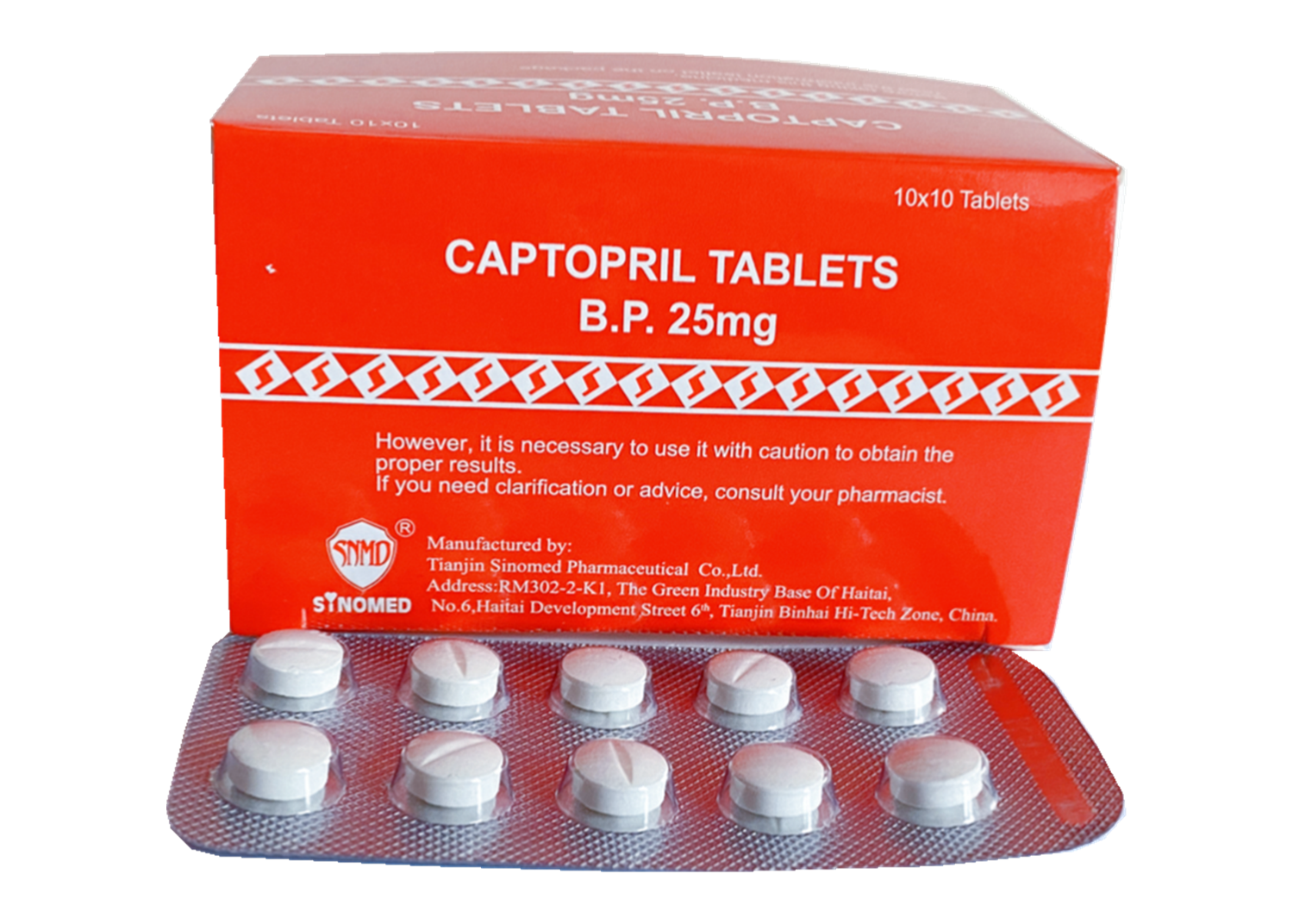
1.Product name: Captopril Tablets
2.Specification: 25mg
3.Package: Box of 10 blisters x 10 tablets
4.Shelf life: 36 months
5.Registration documents are available.
If you are interested in our products,please feel free to contact us
*The following content is generated by AI and is for reference only.
Captopril Tablets are a widely prescribed medication belonging to the class of angiotensin-converting enzyme (ACE) inhibitors. Primarily utilized in the management of hypertension, these tablets work by relaxing blood vessels, thereby lowering blood pressure and reducing the workload on the heart. Beyond high blood pressure, Captopril is frequently indicated for the treatment of congestive heart failure, helping to improve survival rates and alleviate symptoms such as shortness of breath and fatigue. It is also effective in preventing kidney damage in patients with type 1 diabetes who have proteinuria, preserving renal function over time. Additionally, it serves as a crucial therapy following a myocardial infarction to prevent further cardiac complications.
When using Captopril Tablets, several important precautions must be observed. The most significant risk involves the development of a persistent, dry cough, which occurs due to the accumulation of bradykinin. Patients should report this symptom immediately, as it may necessitate switching to an alternative medication. A more serious but rare side effect is angioedema, characterized by swelling of the face, lips, tongue, or throat, which can compromise breathing and requires emergency medical attention. Pregnant women must avoid this drug entirely, as ACE inhibitors can cause severe fetal injury or death during the second and third trimesters. Individuals with a history of hereditary or idiopathic angioedema should not take Captopril.
Patients should monitor their potassium levels closely, as Captopril can cause hyperkalemia, especially when taken with potassium supplements or certain diuretics. Those with existing kidney disease or renal artery stenosis require careful dose adjustment and regular monitoring of renal function. To maximize efficacy, the medication is often taken on an empty stomach, at least one hour before meals, though consistency in timing is key. Alcohol consumption should be limited, as it may exacerbate dizziness or lightheadedness associated with blood pressure drops. Always consult a healthcare provider before starting or stopping this medication to ensure safe and effective treatment tailored to individual health needs.





 (All Rights Reserved)