Product Description
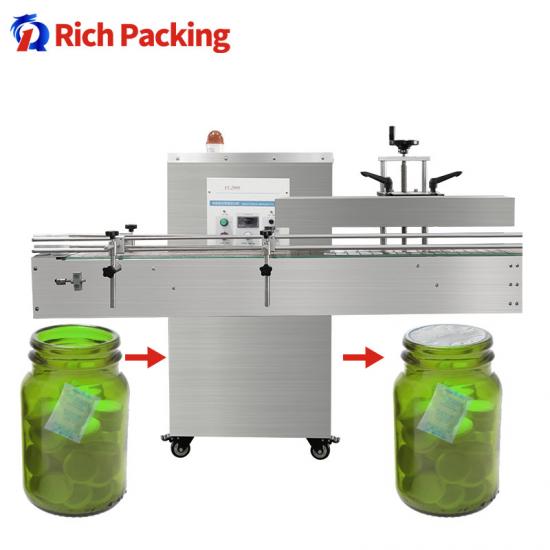
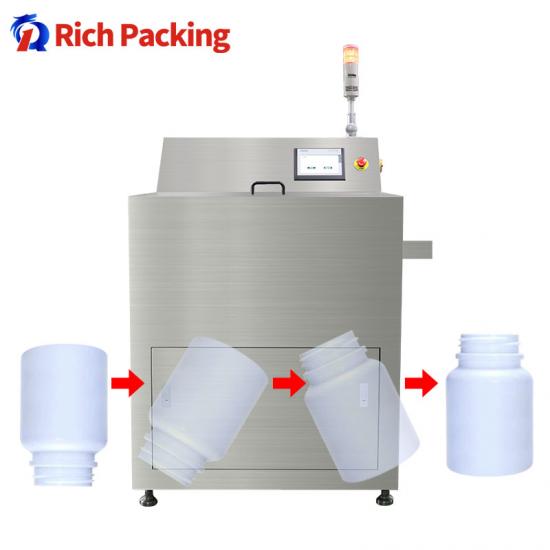
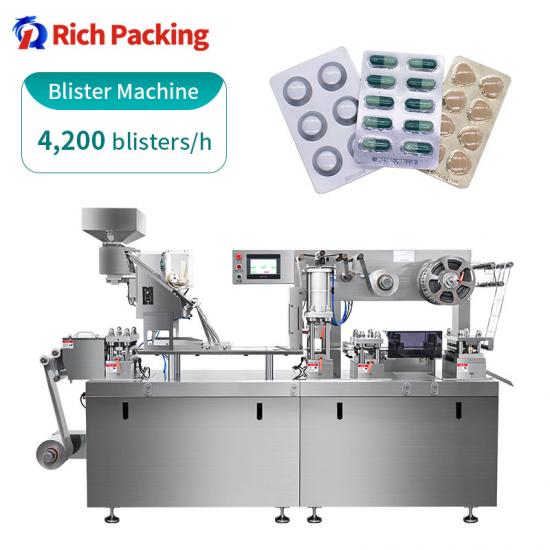
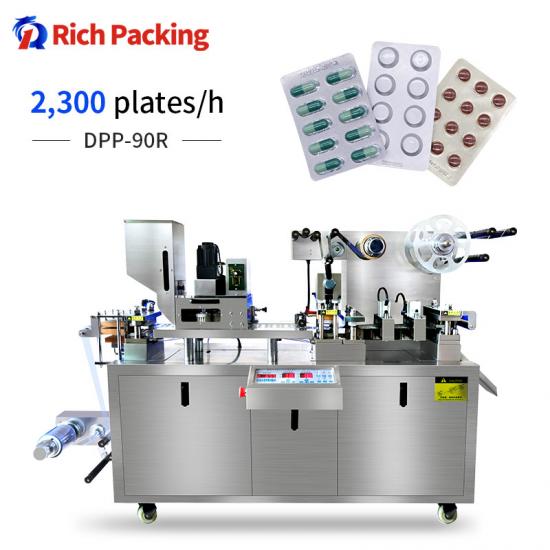
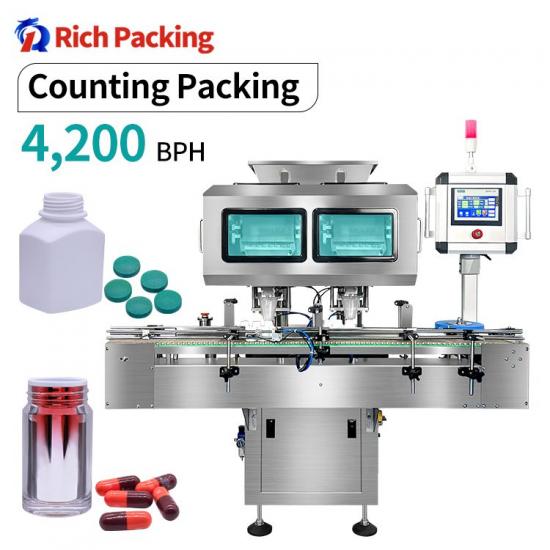
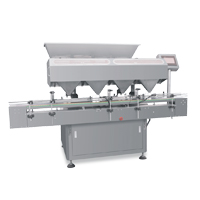
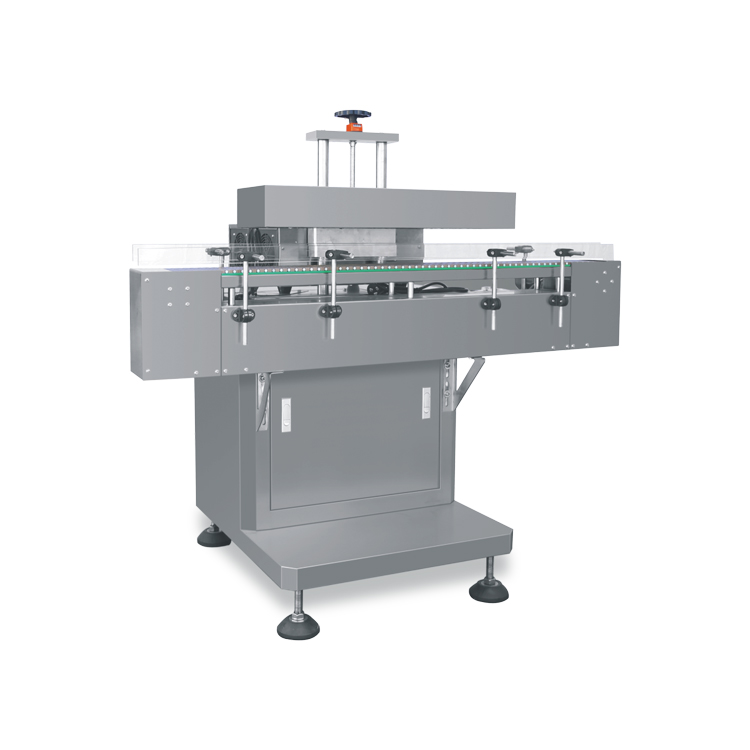
The excellence of automatic packaging through tablet and capsule counting machines holds significant importance in the contemporary manufacturing landscape. In the modern era, the relentless progression of automation technology is orchestrating a paradigm shift in production methodologies. Among these automated packaging solutions, the tablet and capsule counting machine stands out as a preeminent contender owing to its remarkable advantages and attributes.
AI Product Description
*The following content is generated by AI and is for reference only.
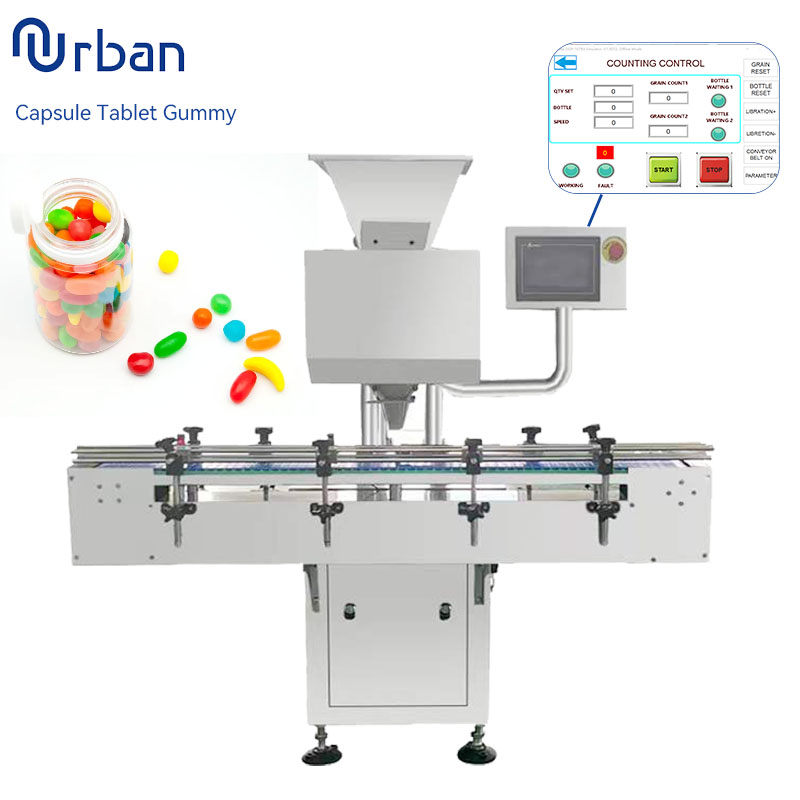
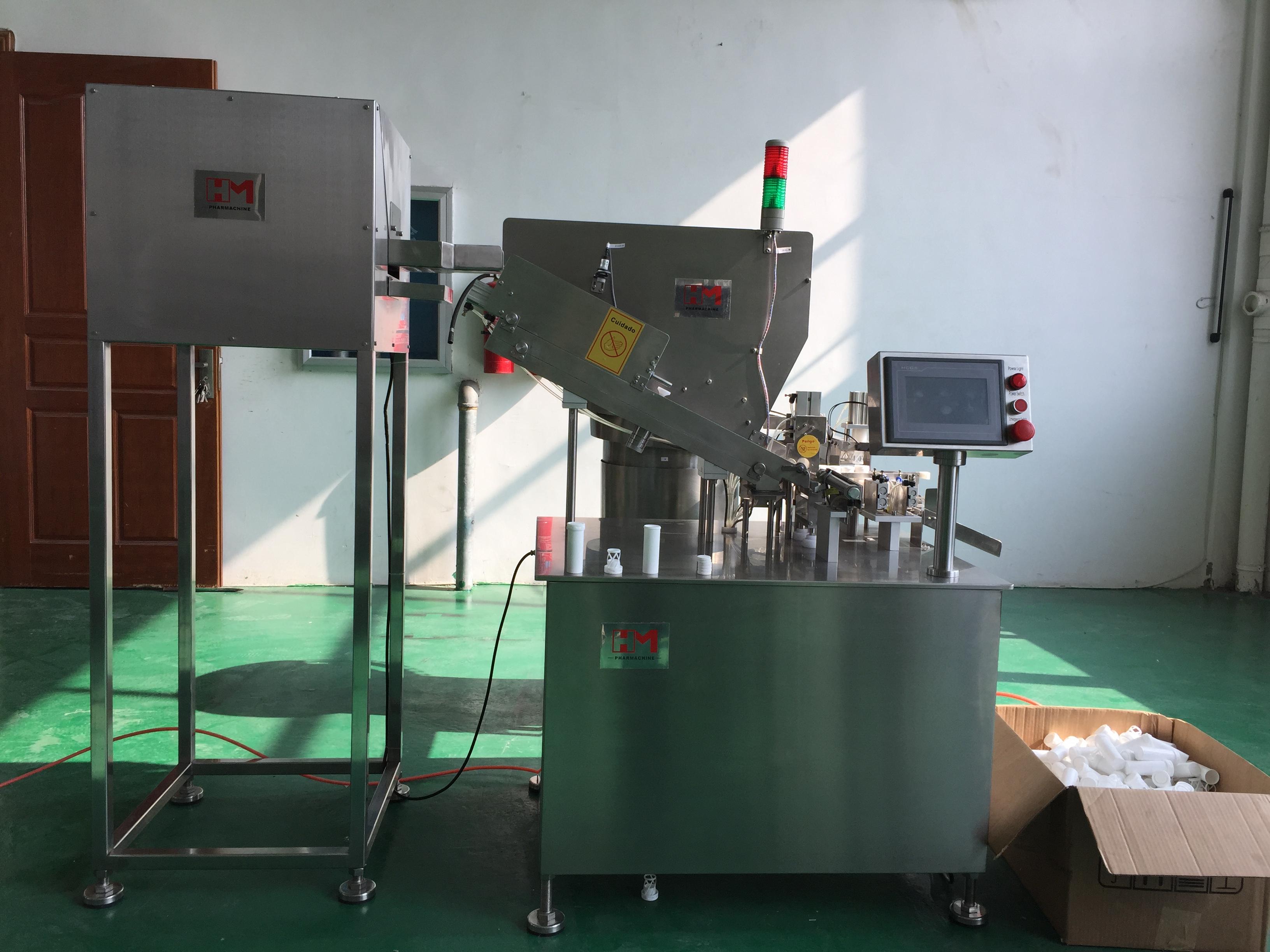
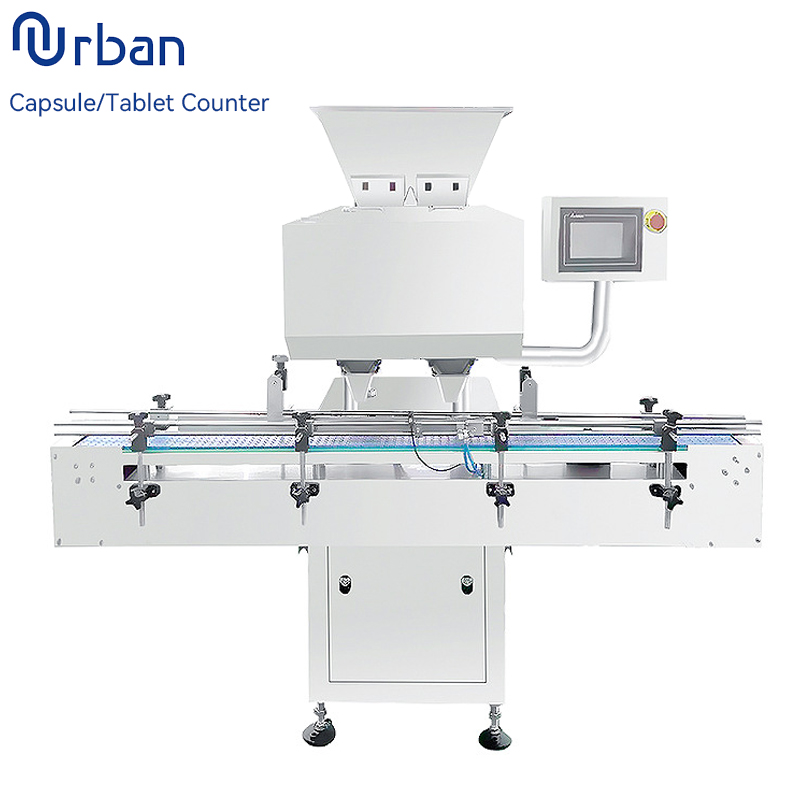
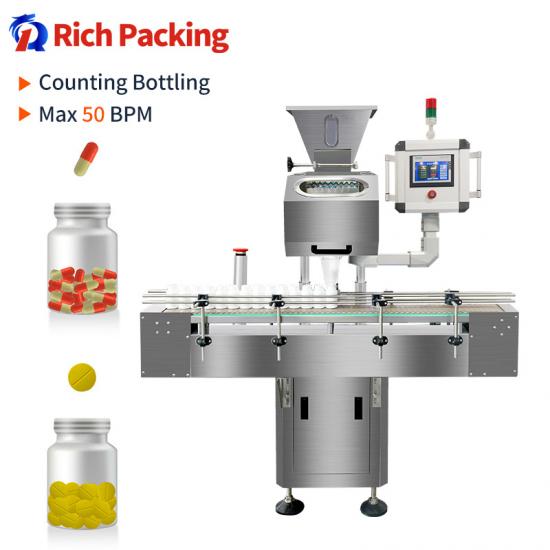
The product described is a specialized industrial or pharmaceutical device designed to automate the counting and dispensing of solid oral dosage forms, such as tablets and capsules. Its primary function is to replace manual counting methods, which are prone to human error, fatigue, and contamination risks. By utilizing high-speed optical sensors, mechanical vibratory trays, or weight-based verification systems, the machine ensures precise quantities are delivered into blister packs, bottles, or vials with exceptional accuracy. This automation significantly enhances workflow efficiency in pharmacies, hospitals, manufacturing facilities, and research laboratories, allowing staff to focus on more critical tasks while maintaining strict regulatory compliance regarding dosage integrity.
Key operational features typically include adjustable speed settings to accommodate various pill sizes and shapes, touch-screen interfaces for easy programming, and real-time error detection that halts operation if miscounts occur. Advanced models often integrate with inventory management software to track stock levels automatically. However, several important precautions must be observed during usage. First, the equipment requires regular calibration and cleaning to prevent cross-contamination between different medication types, especially when handling potent compounds. Operators must ensure that the input hopper is free from debris or broken fragments that could jam the mechanism or skew counts. Additionally, the machine should only be operated by trained personnel who understand emergency stop procedures and routine maintenance protocols.
Environmental factors also play a crucial role; the device should be placed in a controlled area with stable temperature and humidity to protect sensitive electronic components and maintain sensor accuracy. Regular quality control checks are essential to verify that the output matches the target count within acceptable tolerance limits defined by local health authorities. Neglecting these maintenance schedules can lead to costly errors, potential patient harm, and regulatory violations. Ultimately, this technology serves as a vital tool for modernizing medication distribution, ensuring safety, consistency, and reliability in the supply chain of solid pharmaceutical products.





 (All Rights Reserved)