Product Description
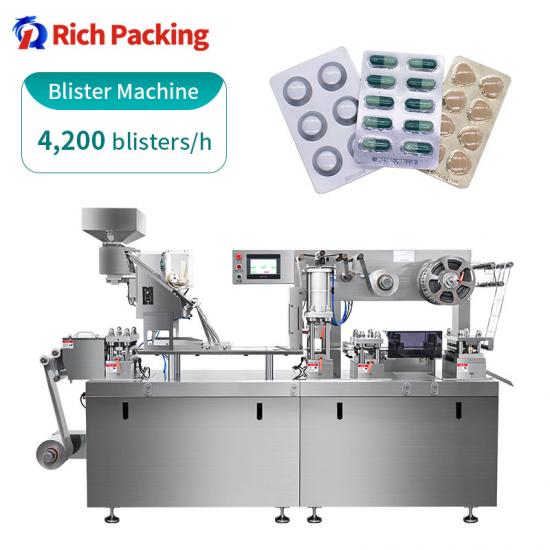
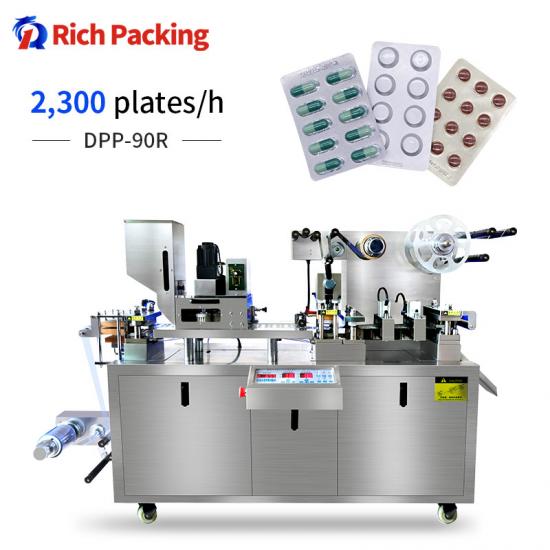
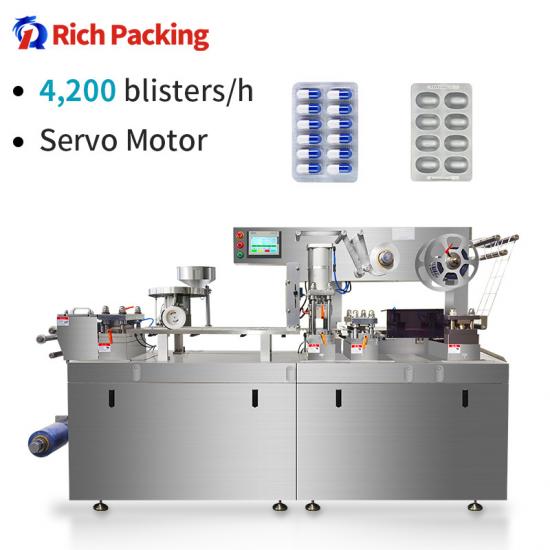
In the packaging industry, a new type of equipment has gradually come into people's sight, that is the blister packaging machine with modular design. The uniqueness of this machine lies in its modular design, and the use of advanced servo motor technology, which makes it perform well in the blister packaging process, so it is getting more and more popular.
AI Product Description
*The following content is generated by AI and is for reference only.
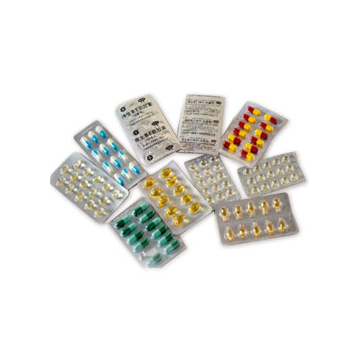
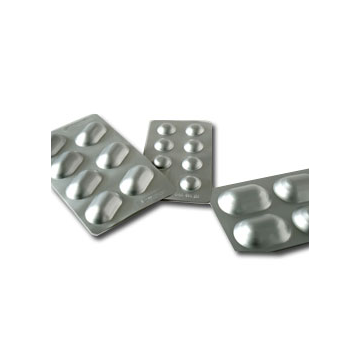
The Capsule Blister Packaging Machine is a specialized industrial device designed to efficiently encase solid oral dosage forms, primarily capsules and tablets, into pre-formed plastic or aluminum blisters. This equipment serves as a critical component in the pharmaceutical manufacturing sector, ensuring that medications are individually sealed for enhanced protection against moisture, light, oxygen, and contamination. By creating hermetic seals between the blister cavity and a backing material, typically aluminum foil, these machines significantly extend product shelf life and maintain drug potency until the point of consumption.
Modern capsule blister packing systems operate on high-speed automated lines capable of handling various capsule sizes and shapes with precision. The process generally involves feeding capsules from a vibrating tray, orienting them correctly, pushing them into the formed cavities of the blister web, applying the lidding foil, and finally sealing the package under controlled heat and pressure. Advanced models feature integrated vision inspection systems to detect missing or damaged capsules, ensuring only compliant products reach the market. Additionally, many units include batch coding and date stamping capabilities to meet strict regulatory traceability requirements.
When operating this machinery, several safety and maintenance protocols must be strictly observed. Operators should always wear appropriate personal protective equipment and ensure all safety guards are in place before启动 the machine. Regular cleaning is essential to prevent cross-contamination, especially when switching between different medication types. It is crucial to monitor temperature settings meticulously; excessive heat can deform the plastic or burn the foil, while insufficient heat leads to weak seals that compromise product integrity. Furthermore, regular calibration of the forming and sealing stations is necessary to accommodate different packaging materials and dimensions. Proper training for staff regarding emergency stops and routine lubrication of mechanical parts is vital to minimize downtime and prevent costly equipment damage. Adhering to Good Manufacturing Practices (GMP) guidelines throughout the operation ensures both worker safety and the production of high-quality, safe pharmaceutical products.





 (All Rights Reserved)