Product Description
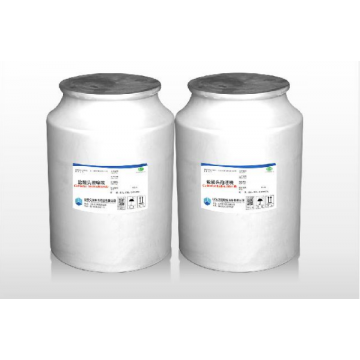
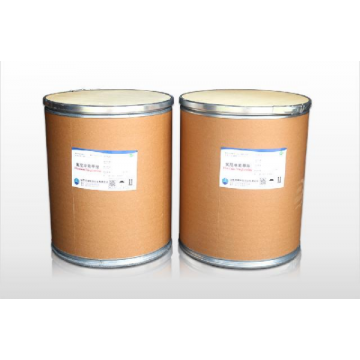
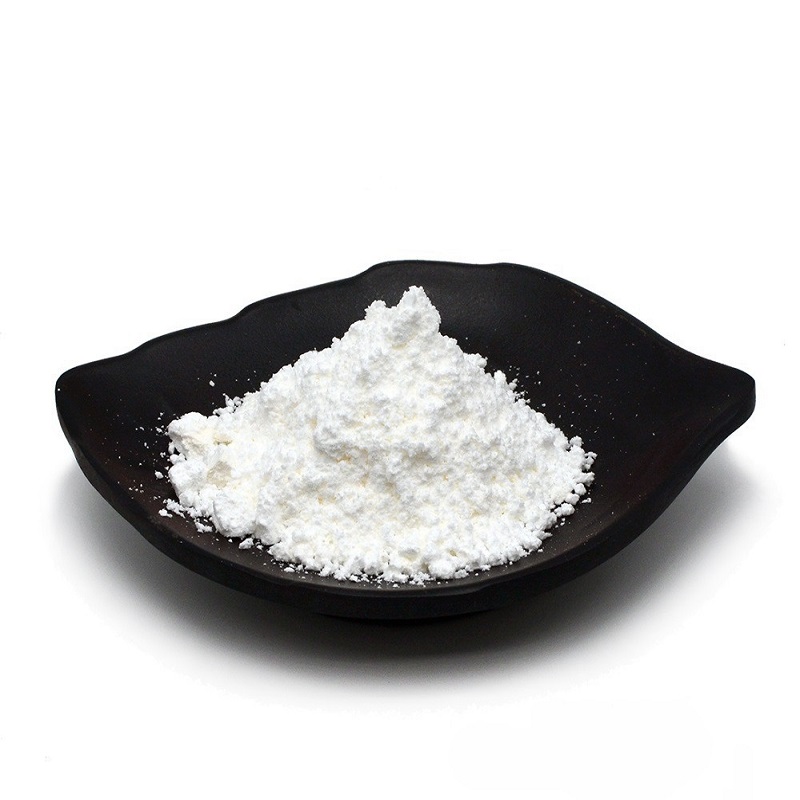
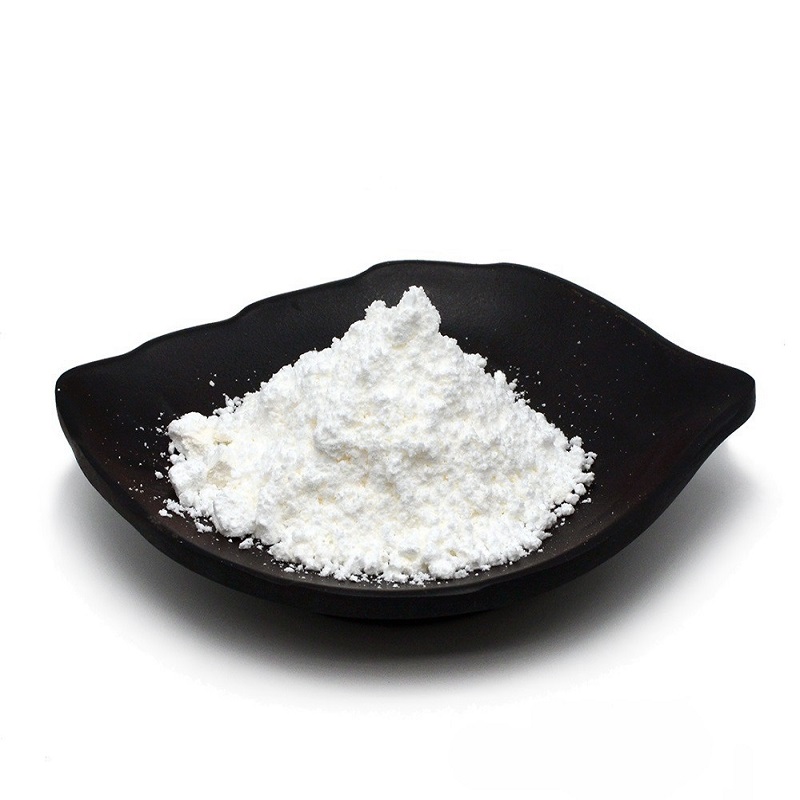
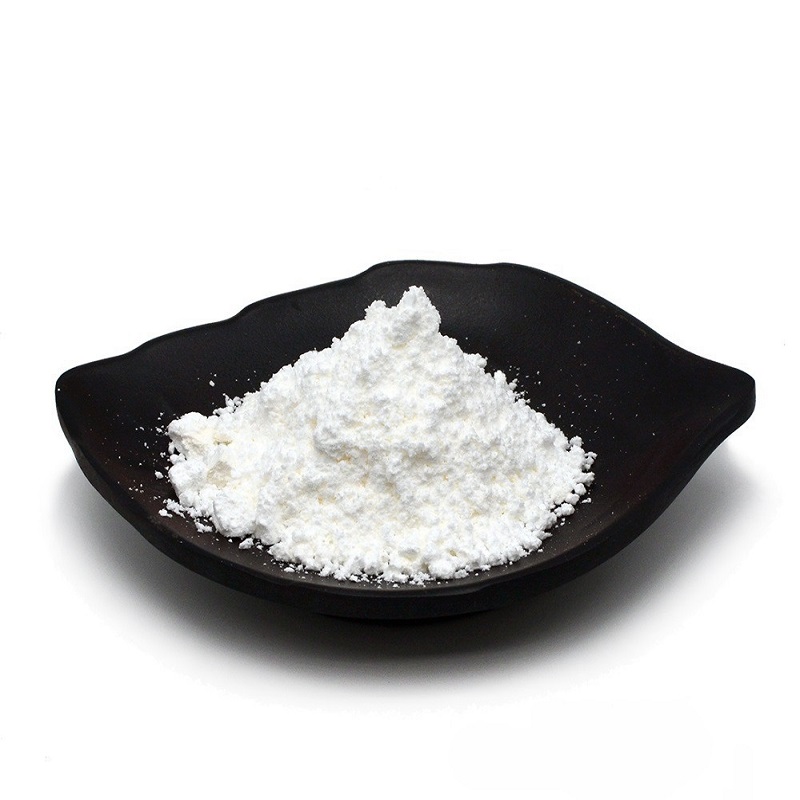
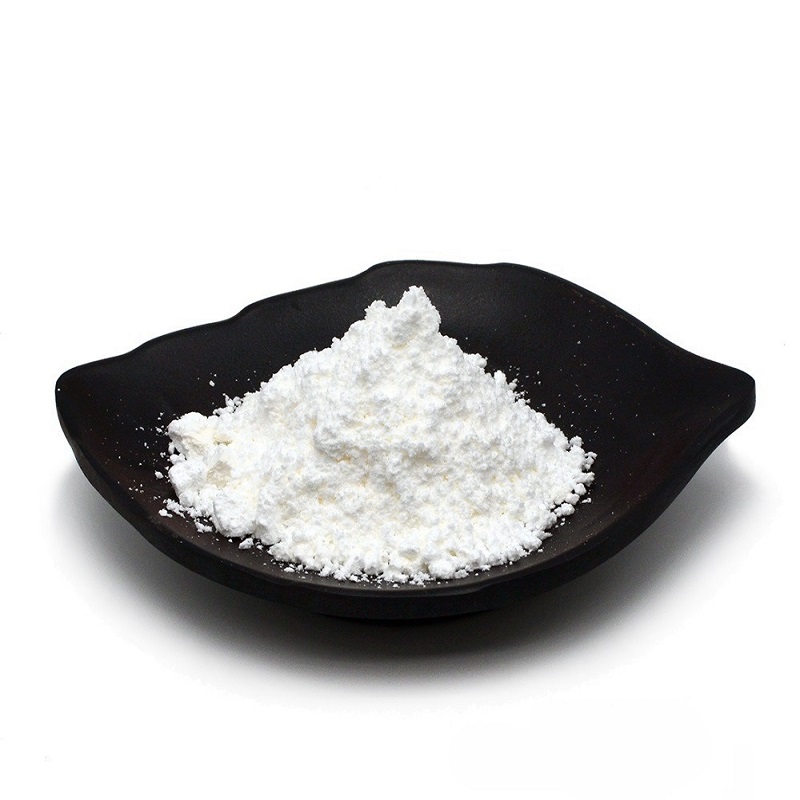
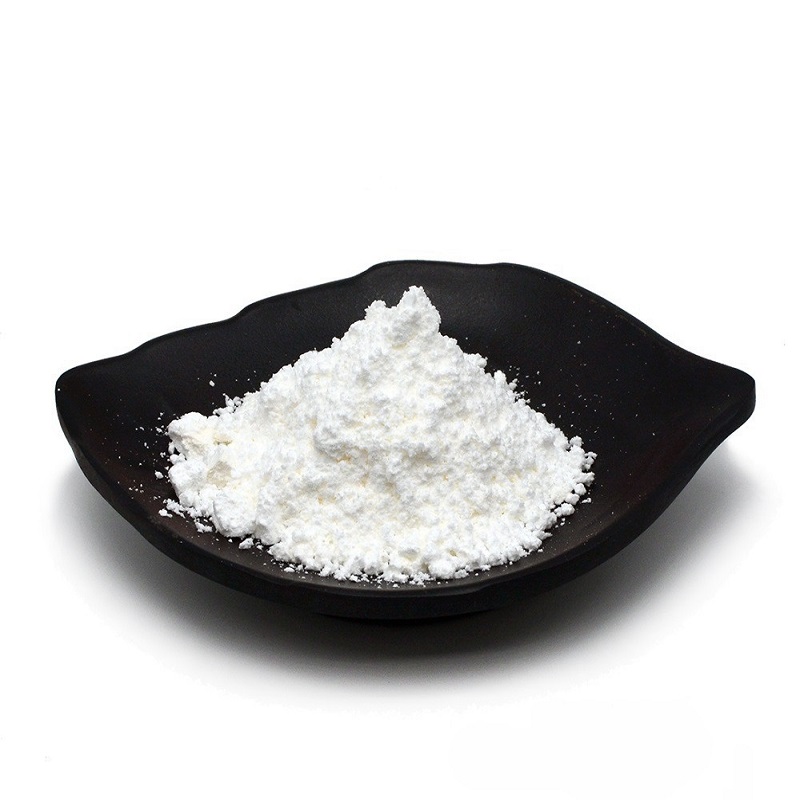
Butaphosphan API is a veterinary medication used to supplement phosphorus, supporting metabolic function, improving energy levels, and aiding in the treatment of various conditions like metabolic disorders and fatigue in animal
AI Product Description
*The following content is generated by AI and is for reference only.
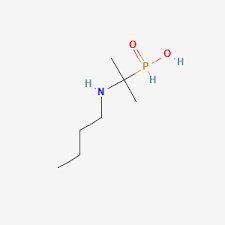
Butaphosphan, chemically known as O,O-diethyl O-(2-chloro-1-methylethyl) phosphorothioate, is a specialized organophosphorus compound primarily recognized for its historical and niche applications in agricultural chemistry. Its molecular formula is C7H16ClO3PS, reflecting the complex arrangement of carbon, hydrogen, chlorine, oxygen, phosphorus, and sulfur atoms that define its reactive properties. The substance is cataloged under the CAS number 9003-83-4, a unique identifier essential for regulatory compliance, safety data management, and scientific documentation across global supply chains.
Originally developed within the broader class of organophosphate pesticides, Butaphosphan functions principally as an insecticide and acaricide. Its mode of action involves the inhibition of acetylcholinesterase, an enzyme critical for nerve signal transmission in insects. By disrupting this biological process, the compound effectively controls various pest populations, including mites and specific soft-bodied insects that threaten crop yields. While modern agricultural practices have increasingly shifted toward more selective and environmentally benign alternatives due to concerns regarding toxicity and persistence, Butaphosphan remains relevant in specific regional markets or specialized industrial formulations where its particular efficacy profile is required.
Safety protocols surrounding the handling of Butaphosphan are stringent. As with many organophosphates, it poses significant risks to human health and non-target organisms if not managed correctly. Exposure can lead to acute cholinergic effects, necessitating the use of personal protective equipment (PPE) during application and storage. Regulatory bodies worldwide classify such substances carefully, often imposing strict usage limits, buffer zones near water sources, and mandatory re-entry intervals for treated fields. Despite these challenges, the compound continues to serve as a case study in the evolution of agrochemicals, illustrating the balance between effective pest control and environmental stewardship. Researchers continue to analyze its degradation pathways and metabolic impacts to refine safety standards and develop next-generation solutions that minimize ecological footprints while maintaining agricultural productivity.



 (All Rights Reserved)