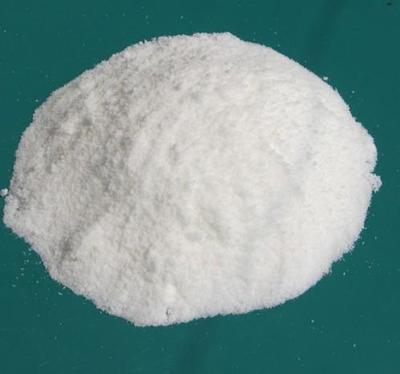
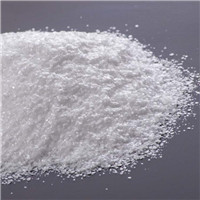
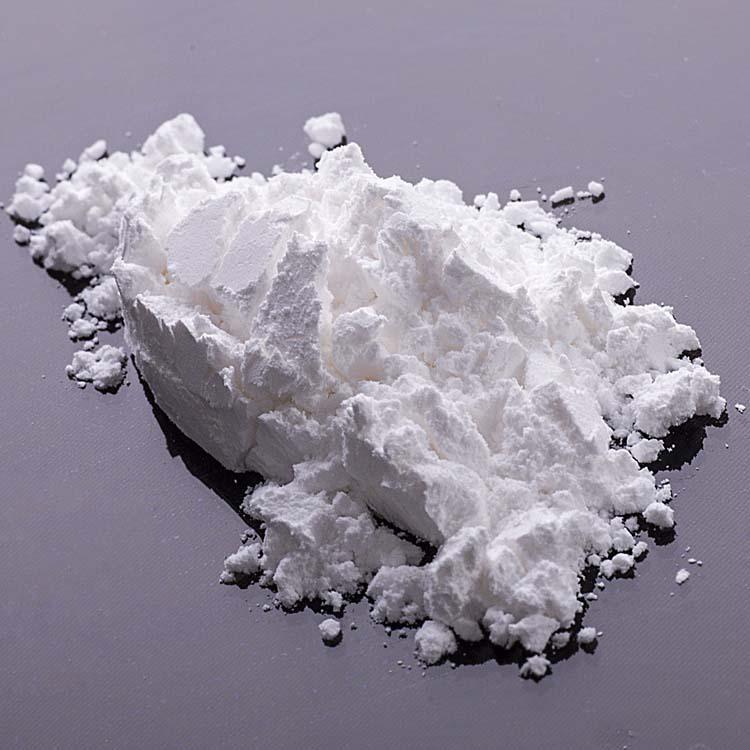
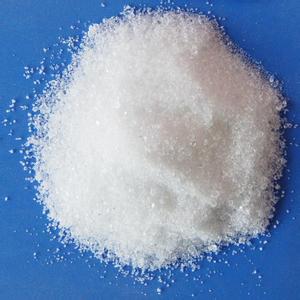
White crystalline powder, soluble in water.
Melting point is 210-214 ℃.
This product is a veterinary mineral elements supplement, and is the main element of the organic phosphorus supplements.
Used for animal acute and chronic metabolic disorder diseases.
*The following content is generated by AI and is for reference only.
Butafosfan, chemically known as 2-(diethylamino)ethyl butylphosphonate, is a specialized organophosphorus compound primarily utilized in agricultural and veterinary research contexts. Its molecular formula is C10H24NO3P, reflecting a structure that combines a phosphonate group with an ethylamine side chain, which contributes to its specific biological activity. The compound is registered under the CAS number 1597-86-8, a unique identifier essential for regulatory compliance, safety data sheet management, and precise chemical inventory tracking across global supply chains.
The primary application of Butafosfan lies in its function as a prodrug or precursor in the development of novel agrochemicals and potential pharmaceutical agents. As a phosphonate derivative, it exhibits properties that allow it to interact with enzymatic pathways involved in cellular metabolism, particularly those related to phosphate transfer mechanisms. In agricultural science, derivatives of such compounds are often investigated for their potential to enhance crop resilience against stress or to serve as intermediates in synthesizing more complex pesticide formulations. While not a widely commercialized consumer product, its role in laboratory settings remains significant for researchers studying phosphorus-based biochemistry and drug delivery systems.
Safety protocols regarding Butafosfan are critical due to the inherent toxicity associated with many organophosphorus substances. Handling requires strict adherence to occupational health standards, including the use of personal protective equipment (PPE) and proper ventilation, to prevent dermal absorption or inhalation risks. Regulatory bodies classify such chemicals based on their potential environmental impact and human health hazards, necessitating careful disposal procedures in accordance with local and international waste management laws.
Despite its niche status, ongoing research continues to explore the versatility of Butafosfan analogs in creating sustainable agricultural solutions and targeted therapeutic interventions. Its unique chemical architecture offers a promising avenue for developing next-generation compounds that balance efficacy with reduced environmental persistence. For industry professionals, maintaining up-to-date knowledge of its CAS registry and physical-chemical properties is vital for ensuring safe handling, accurate documentation, and successful integration into broader R&D programs focused on advancing chemical sciences for food security and medical innovation.





 (All Rights Reserved)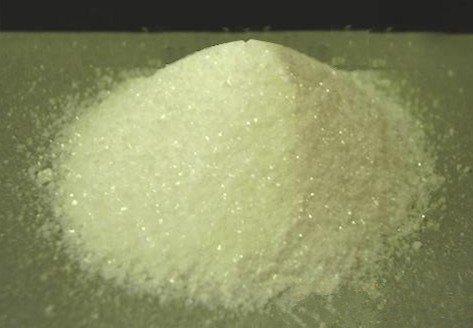


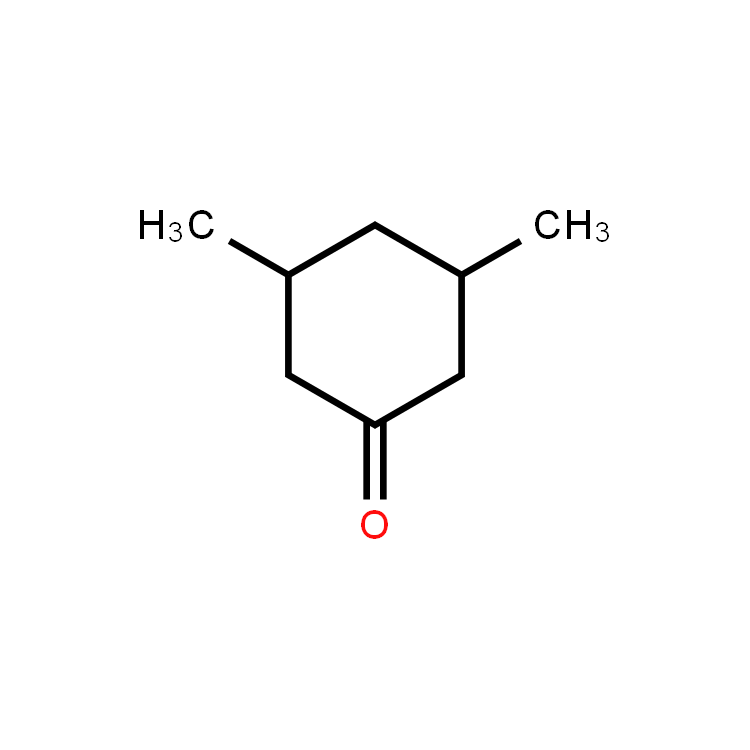
![8-Oxa-1,3-diazaspiro[4.5]decane-2,4-dione](https://eimg.pharmasources.com/image/product/20250403/60fa7223d5a34f24138486ceea0ffb15jpg)
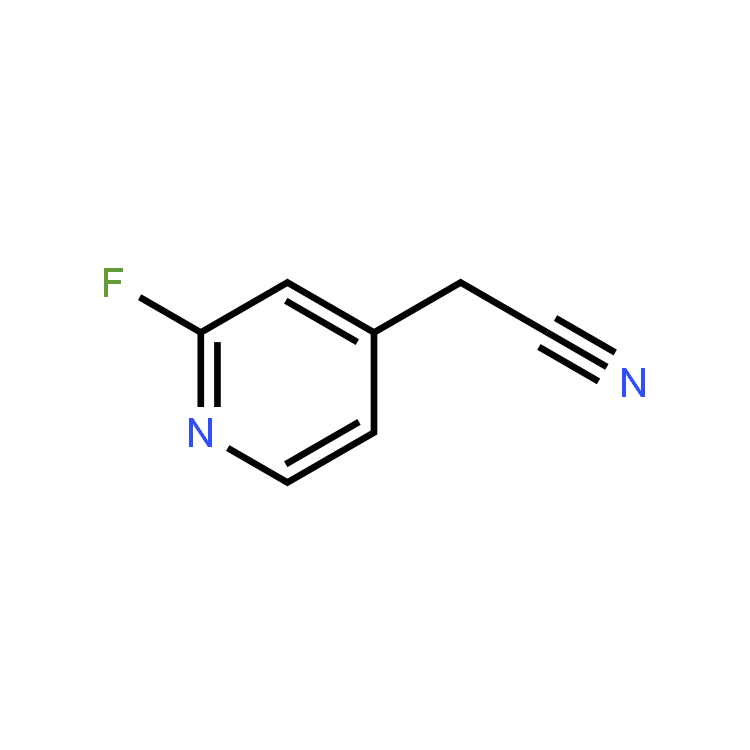
![6,8-Dioxo-5,7-diazaspiro[3.4]octane-2-carboxylic acid](https://eimg.pharmasources.com/image/product/20250403/02effeb5a7639bc84ff1f3add3c0c64fjpg)
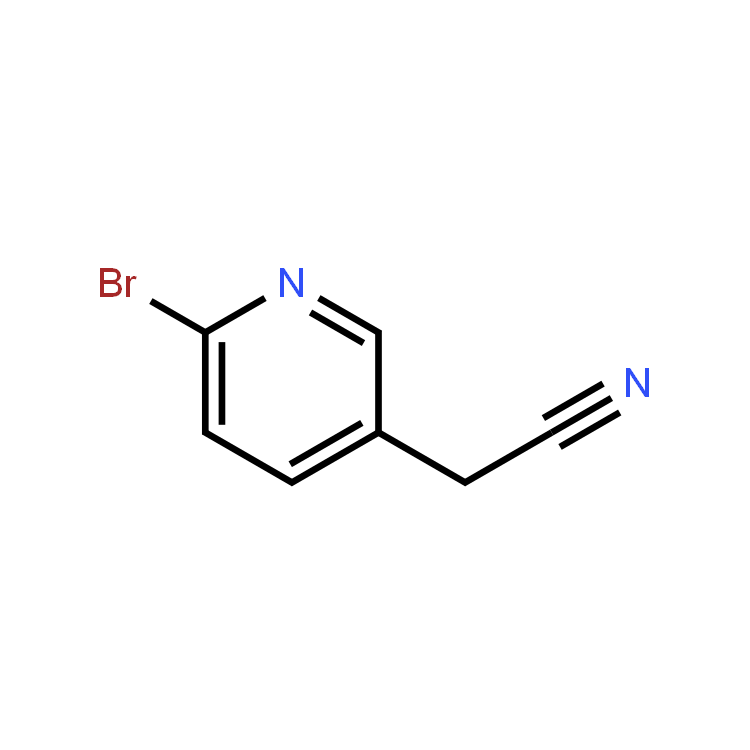
![8,16-Diazadispiro[6.1.6.2]heptadecan-17-one](https://eimg.pharmasources.com/image/product/20250403/ca91cba8b87e53fc879f8d8764873a40jpg)