*The following content is generated by AI and is for reference only.
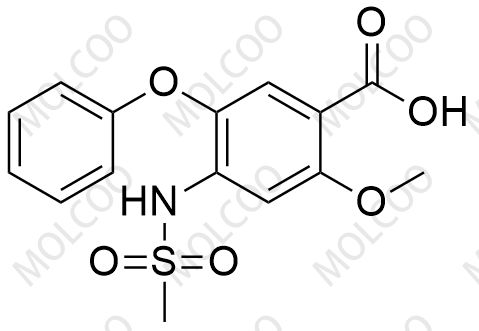
Bucinnazine, chemically known as 2-[(4-methoxyphenyl)methyl]pyridine, is a specialized organic compound primarily utilized in the pharmaceutical and chemical synthesis sectors. Its molecular formula is C13H13NO, reflecting a structure composed of thirteen carbon atoms, thirteen hydrogen atoms, one nitrogen atom, and one oxygen atom. The substance is identified by the CAS registry number 5906-78-7, which serves as its unique numerical identifier for scientific databases and regulatory compliance.
Originally developed with potential applications in the treatment of specific medical conditions, Bucinnazine has been investigated for its pharmacological properties, particularly regarding its interaction with central nervous system receptors. While it shares structural similarities with other pyridine-based derivatives used in drug development, its current commercial availability is often limited to research-grade supplies rather than widespread consumer use. In industrial contexts, this compound functions as an intermediate or precursor in the synthesis of more complex heterocyclic molecules. Chemists utilize Bucinnazine to construct various therapeutic agents, leveraging its unique methoxyphenyl and pyridine moieties to achieve desired biological activities.
The safety profile of Bucinnazine requires careful handling during laboratory procedures due to standard precautions associated with organic solvents and reactive intermediates. Proper ventilation and personal protective equipment are essential when manipulating this substance to prevent inhalation or skin contact. Regulatory bodies classify such compounds under strict guidelines to ensure they are only employed in controlled environments where their efficacy and toxicity can be thoroughly monitored. Although not a blockbuster drug itself, Bucinnazine represents a valuable tool in medicinal chemistry for exploring new avenues in neuropharmacology and related fields. Researchers continue to study its derivatives to enhance potency and reduce side effects in potential treatments. Ultimately, Bucinnazine remains a niche but significant component in the broader landscape of organic synthesis and pharmaceutical discovery, contributing to the ongoing advancement of medical science through rigorous chemical investigation.