Product Description
CAS No.:462-34-0
Molecular Formula:
Appearance: Colorless fuming liquid
BF3 Content%:46-49
Specific Weight: 1.26-1.27
Moisture:≤0.5
Melting Point/Boiling Point: 180°
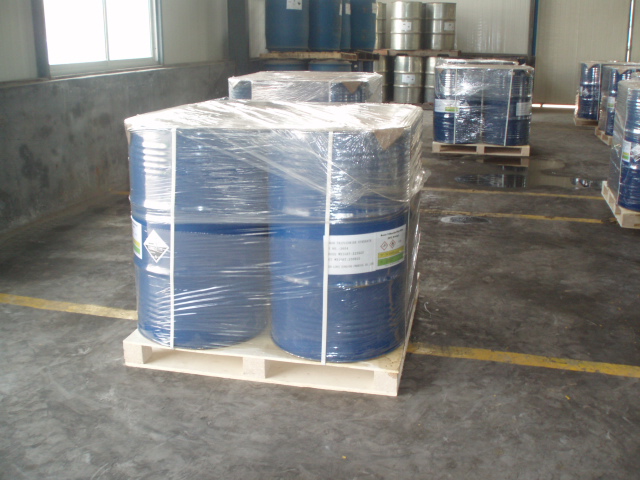
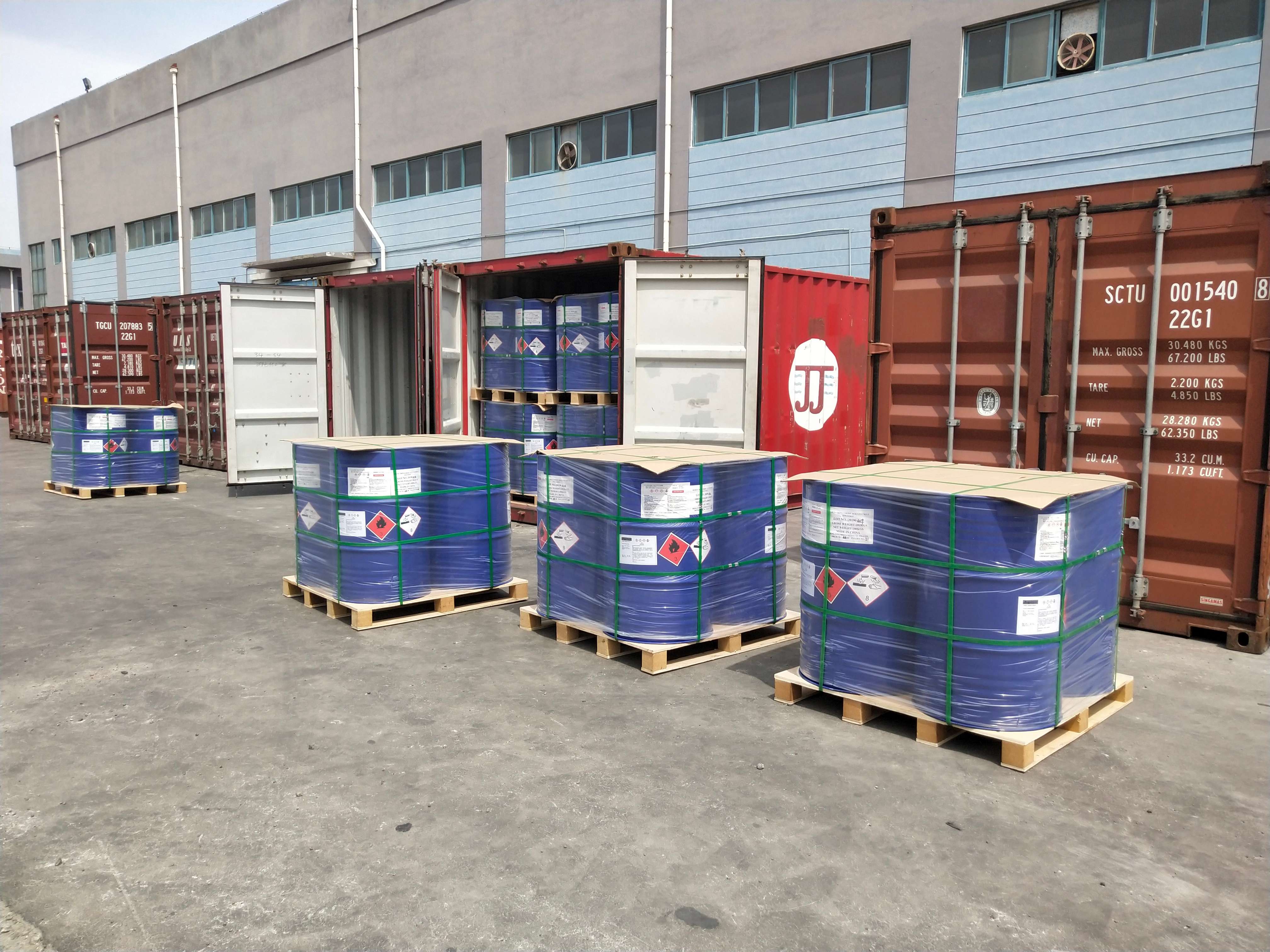
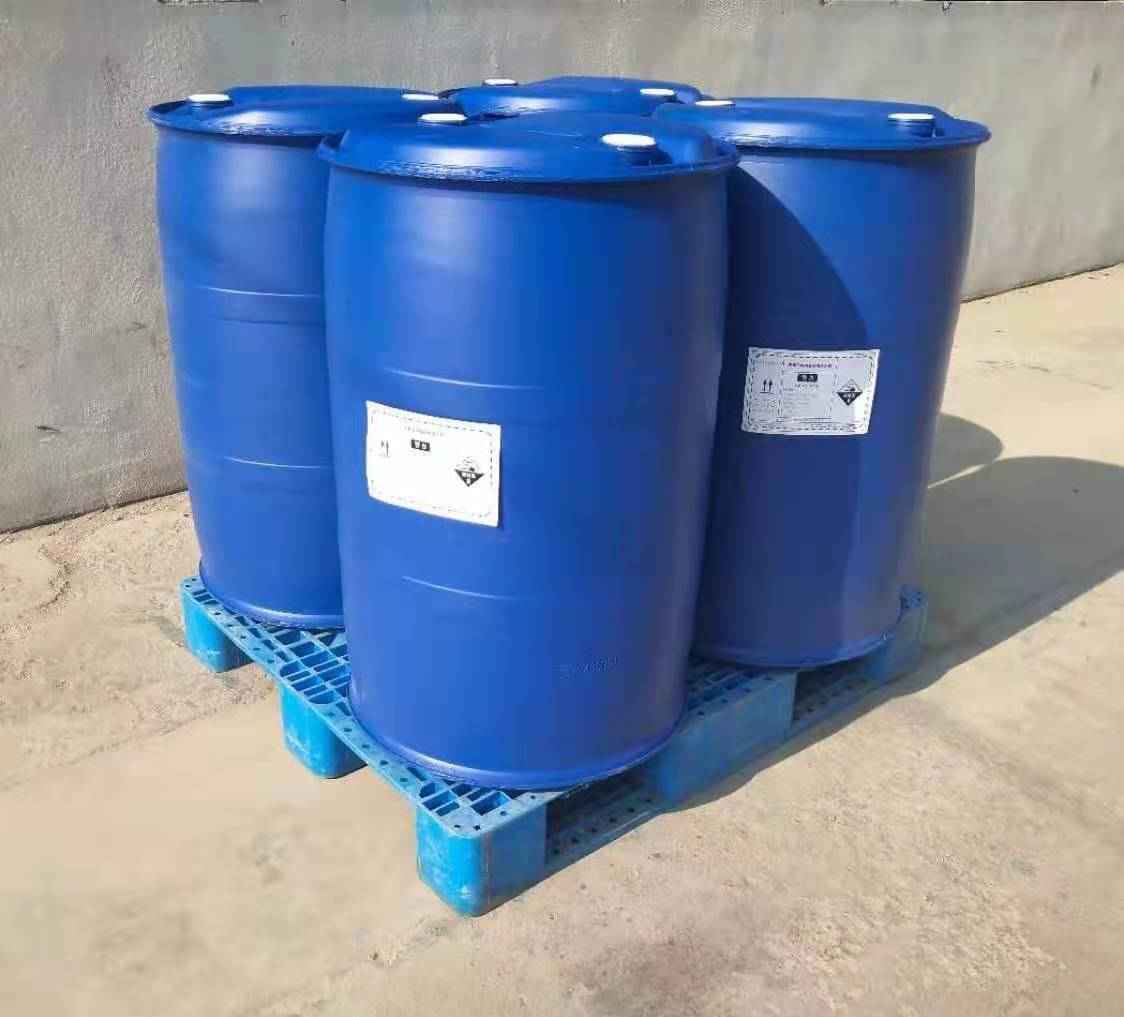
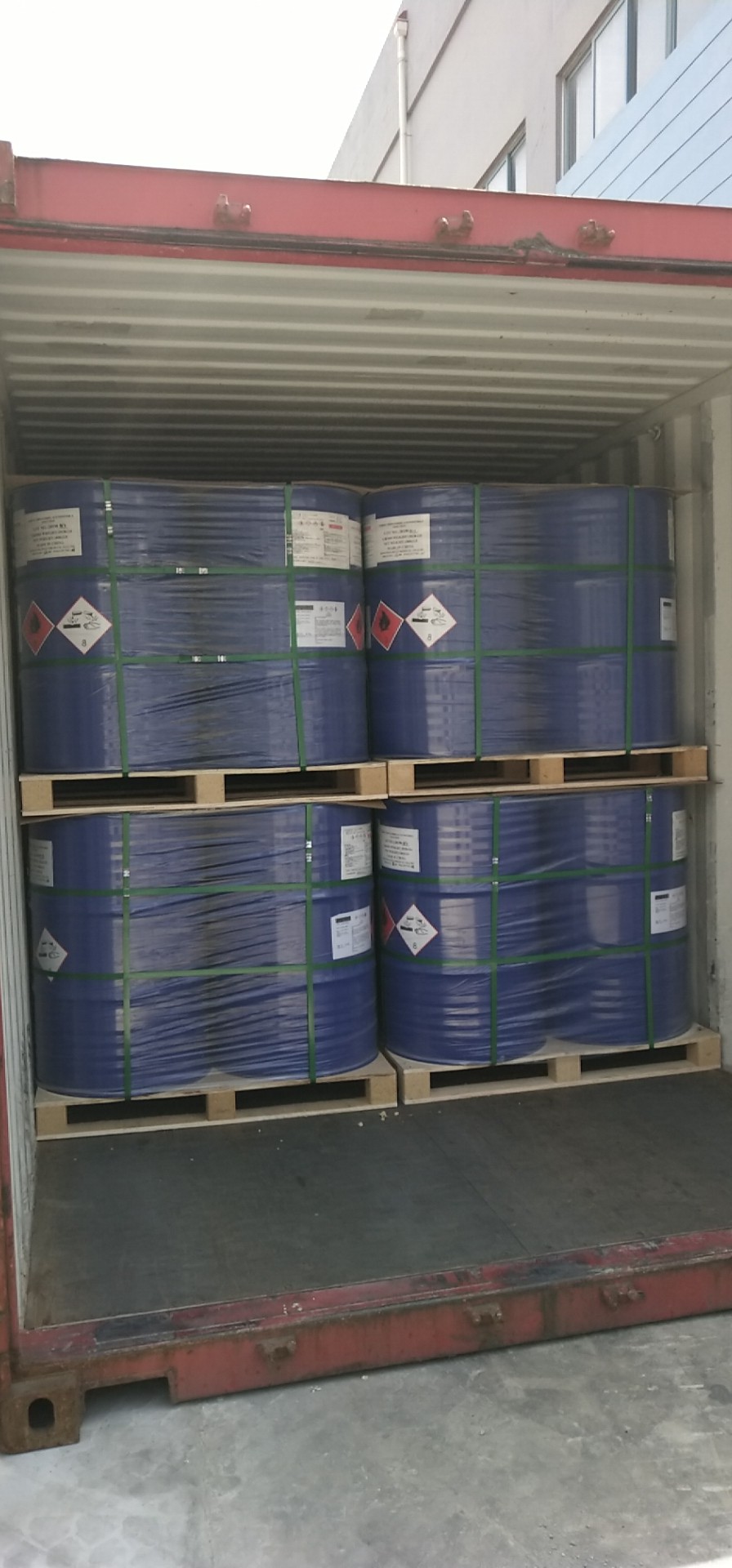
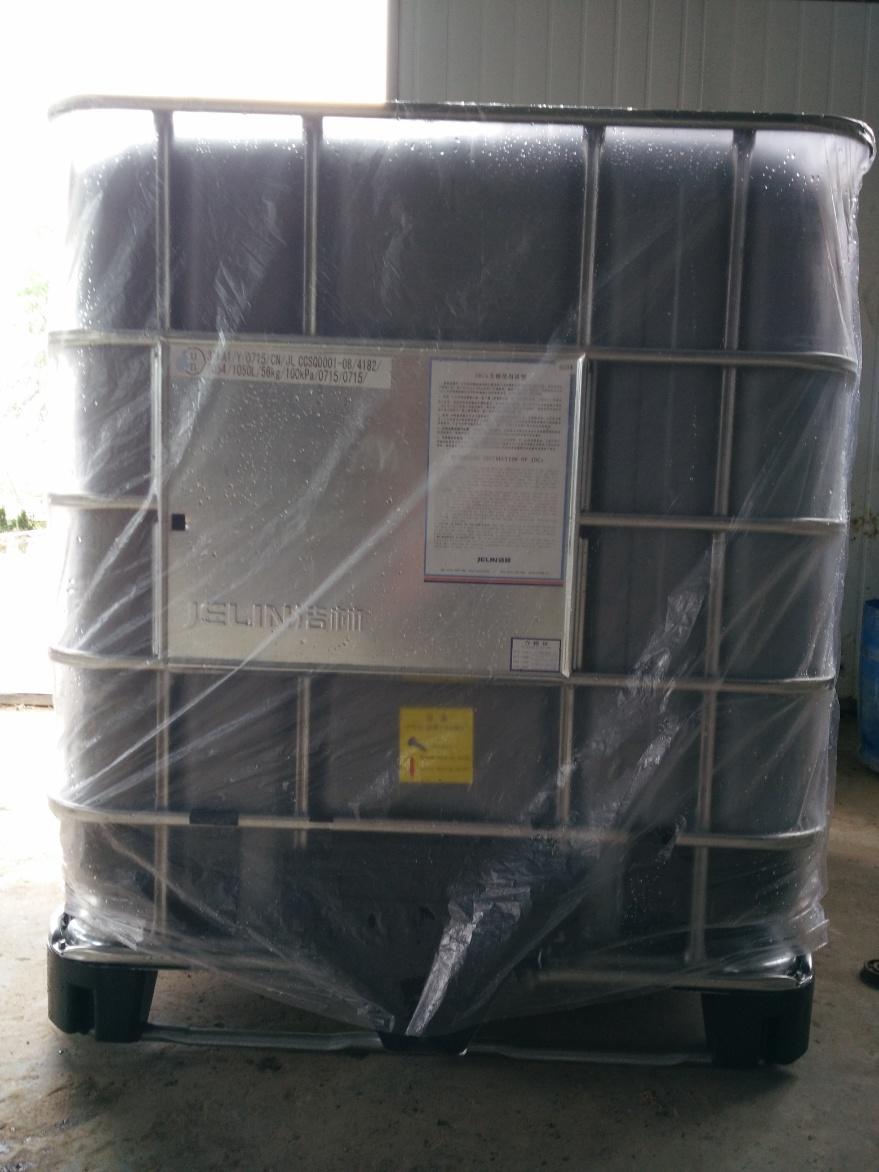
Packing: Steel (plastic) drum
Usage: Additive/intermediate
AI Product Description
*The following content is generated by AI and is for reference only.
Boron Trifluoride Tetrahydrofuran Complex, commonly abbreviated as BF3·THF or BF3-THF, is a widely utilized Lewis acid reagent in organic synthesis and industrial chemistry. With the molecular formula C4H9BF3O and CAS Registry Number 109285-62-5, this colorless to pale yellow liquid serves as a stable, convenient source of boron trifluoride (BF3). Unlike anhydrous BF3 gas, which is highly corrosive and difficult to handle due to its gaseous state at room temperature, the THF complex offers superior safety and ease of manipulation. It is typically supplied as a solution in tetrahydrofuran, facilitating precise dosing in laboratory and manufacturing settings.
The primary utility of BF3·THF lies in its potent electrophilic character. It acts as a powerful catalyst for a diverse array of chemical transformations. In organic synthesis, it is extensively employed for ether cleavage reactions, converting ethers into alcohols and alkyl halides. Furthermore, it catalyzes Friedel-Crafts acylations and alkylations, enabling the formation of carbon-carbon bonds on aromatic rings. The reagent is also crucial for esterification processes, where it accelerates the reaction between carboxylic acids and alcohols to form esters. Additionally, BF3·THF facilitates the polymerization of olefins and the curing of epoxy resins, making it indispensable in materials science and polymer production. Its ability to activate carbonyl groups makes it effective in aldol condensations and other carbonyl-based reactions.
Due to its high reactivity with water and moisture-sensitive substrates, the complex must be stored under an inert atmosphere, such as nitrogen or argon, and kept in tightly sealed containers away from humidity. Proper handling requires personal protective equipment to prevent contact with skin and eyes, as it can cause severe burns. Despite these precautions, BF3·THF remains a cornerstone reagent in pharmaceutical development, agrochemical production, and fine chemical manufacturing, valued for its reliability, solubility, and efficiency in driving complex synthetic pathways that would otherwise be challenging to achieve.





 (All Rights Reserved)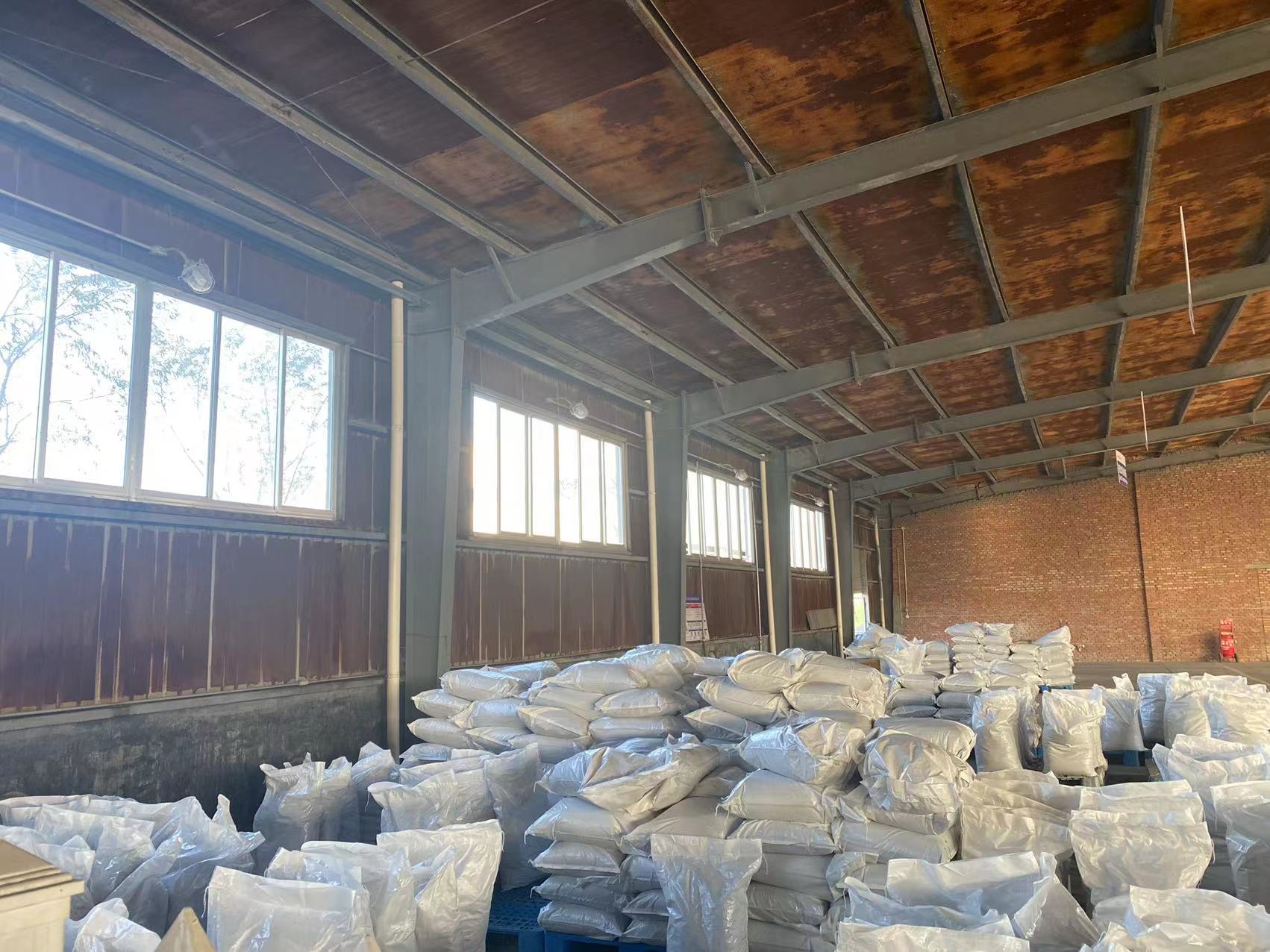


![6,8-Dioxo-5,7-diazaspiro[3.4]octane-2-carboxylic acid](https://eimg.pharmasources.com/image/product/20250403/02effeb5a7639bc84ff1f3add3c0c64fjpg)
![8,16-Diazadispiro[6.1.6.2]heptadecan-17-one](https://eimg.pharmasources.com/image/product/20250403/ca91cba8b87e53fc879f8d8764873a40jpg)
![8-Oxa-1,3-diazaspiro[4.5]decane-2,4-dione](https://eimg.pharmasources.com/image/product/20250403/60fa7223d5a34f24138486ceea0ffb15jpg)