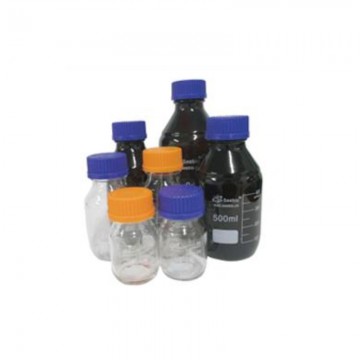
Transparent glass reagent bottle with blue cap, 100ml, 250ml, 500ml, 1000ml
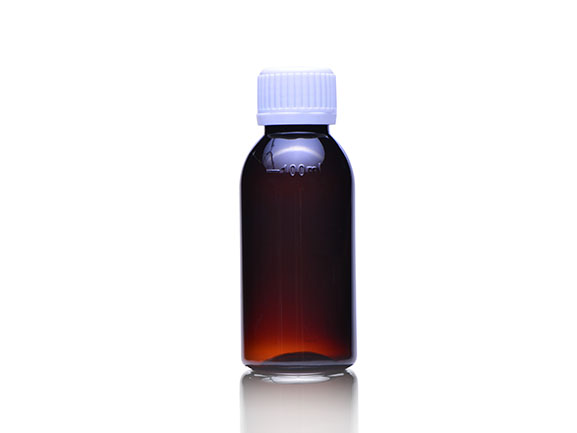
Brown glass reagent bottle with blue cap, 250ml, 500ml, 1000ml
High borosilicate glass reagent bottle with yellow cap, 100ml, 250ml, 500ml, 1000ml, 2000ml, 5000ml, 10000ml, 20000ml
*The following content is generated by AI and is for reference only.
The Blue Cap Reagent Bottle with a 20,000ml (20-liter) capacity is a specialized laboratory storage vessel designed for the safe and efficient handling of large volumes of chemical reagents, solvents, and aqueous solutions. Typically constructed from high-density polyethylene (HDPE) or borosilicate glass, these bottles offer superior chemical resistance against a wide range of corrosive substances, ensuring long-term durability in demanding research environments. The distinctive blue cap serves a dual purpose: it provides a secure, leak-proof seal to prevent evaporation and contamination, while also acting as a color-coded identifier for specific chemical categories or safety protocols within busy laboratories.
These large-capacity containers are essential for bulk storage applications, minimizing the frequency of refilling and reducing the risk of spills associated with transferring smaller vessels. They are commonly utilized in industrial quality control, environmental testing facilities, pharmaceutical manufacturing, and academic research institutions where consistent supply of reagents is critical. The ergonomic design often includes reinforced handles or ribbed bodies to facilitate safe lifting and stacking, even when fully loaded. Furthermore, the translucent nature of many HDPE variants allows for easy visual inspection of fluid levels without opening the container, maintaining sample integrity.
When using a 20-liter blue cap reagent bottle, strict adherence to safety guidelines is paramount. Users must ensure the bottle is compatible with the specific chemical being stored, as some aggressive oxidizers or organic solvents may degrade certain plastics over time. It is crucial to label the bottle clearly with the chemical name, concentration, hazard warnings, and date of preparation immediately upon filling. Storage should always be conducted in well-ventilated areas away from direct sunlight and heat sources to prevent pressure buildup or material degradation. Regularly inspect the cap and bottle neck for cracks or wear that could compromise the seal. Never fill the bottle to its absolute maximum capacity; leaving headspace prevents overflow during temperature fluctuations. By following these protocols, researchers can maintain a safe, organized, and compliant laboratory environment while maximizing the utility of this robust storage solution.





 (All Rights Reserved)