Product Description
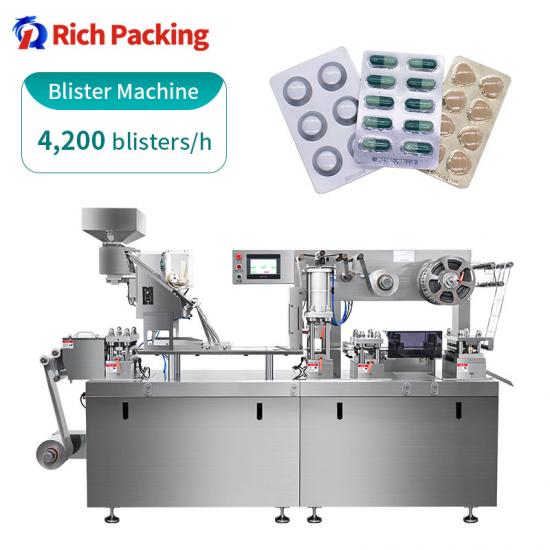
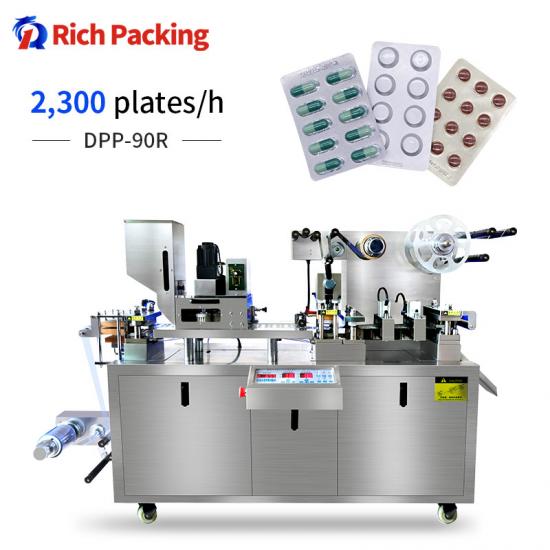
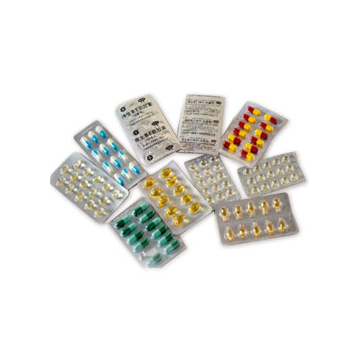
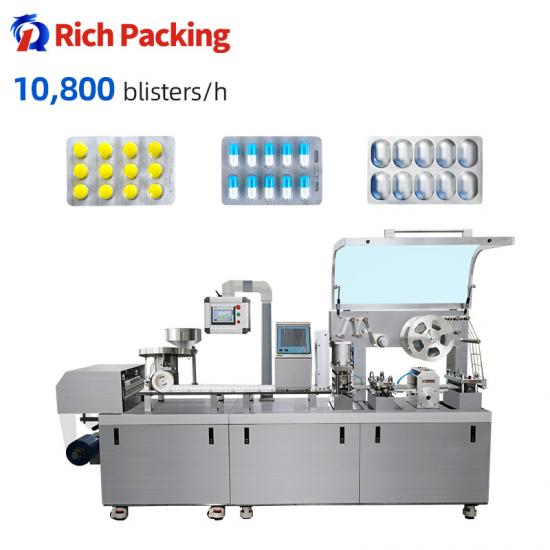
With the continuous innovation and development of pharmaceutical technology, the packaging of pharmaceuticals is also evolving. Among many pharmaceutical companies, DPP-260R blister packaging machine is popular for its high output and excellent performance. Adopting servo motor traction technology, DPP-260R blister packaging machine not only achieves high accuracy in traction distance, but also shows strong competitiveness and prospects in the pharmaceutical industry.
AI Product Description
*The following content is generated by AI and is for reference only.
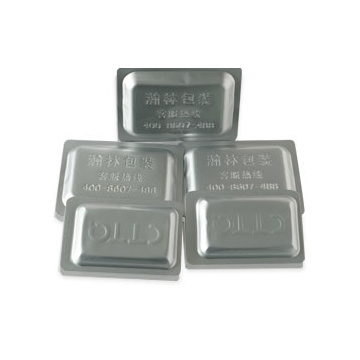
The DPP-260 Blister Packing Machine is a high-efficiency, automated packaging solution widely utilized in the pharmaceutical, food, and chemical industries for forming, filling, and sealing blister packs. Designed primarily for the production of unit-dose packaging, this machine ensures precise dosage control and extended product shelf life by creating an airtight barrier against moisture, light, and contamination. The device typically operates using a thermoforming process where PVC or PVDC sheets are heated and shaped into cavities over a mold, followed by the automatic loading of tablets, capsules, or small solid items. Once filled, an aluminum foil lidding material is heat-sealed onto the formed blisters, ensuring tamper-evidence and product integrity before final cutting and counting.
Key operational features of the DPP-260 include its robust mechanical structure, user-friendly touch screen interface, and adjustable parameters for temperature, speed, and pressure to accommodate various packaging materials and product sizes. It is engineered to meet strict Good Manufacturing Practice (GMP) standards, offering high output rates suitable for both small-batch production and large-scale commercial operations. The machine often incorporates advanced sensors for defect detection, such as missing pills or poor seals, thereby minimizing waste and ensuring quality compliance.
When operating the DPP-260, several critical precautions must be observed to maintain safety and efficiency. Operators should ensure all safety guards are securely in place before启动ing the machine to prevent accidental contact with moving parts. Regular cleaning and sterilization of the forming dies and conveyor belts are essential to avoid cross-contamination, especially when handling potent pharmaceutical compounds. Furthermore, thermal components reach high temperatures during operation; thus, appropriate personal protective equipment, including heat-resistant gloves, is mandatory. Maintenance personnel must strictly follow lockout/tagout procedures during any servicing or tool changes. Additionally, operators should verify that raw materials like foils and plastic sheets meet specific thickness and quality specifications to prevent jamming or sealing failures. Adhering to these guidelines ensures optimal performance, prolongs equipment lifespan, and guarantees the safety of both the machinery and the end consumer.





 (All Rights Reserved)