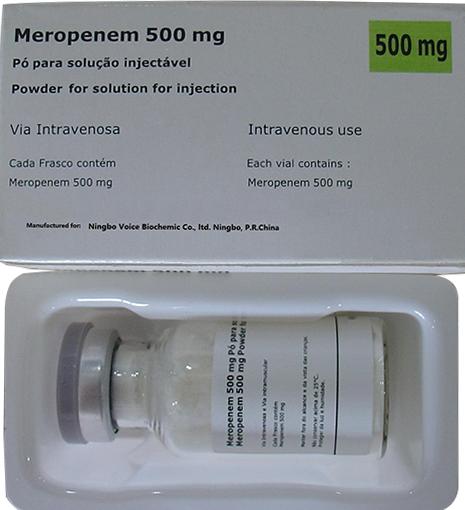
Biapenem is suitable for the treatment of sepsis caused by sensitive bacteria, pneumonia, lung abscess, secondary infection caused by chronic respiratory diseases, refractory cystitis, pyelonephritis, peritonitis, gynecological adnexitis, etc.
Specification: 0.3g
*The following content is generated by AI and is for reference only.
Biapenem for injection is a broad-spectrum intravenous antibiotic belonging to the carbapenem class of beta-lactam agents. It functions by inhibiting bacterial cell wall synthesis, leading to cell lysis and death. This medication is primarily indicated for the treatment of moderate to severe infections caused by susceptible aerobic and anaerobic bacteria. Common clinical applications include complicated intra-abdominal infections, skin and soft tissue infections, community-acquired pneumonia, and complicated urinary tract infections. Due to its potent activity against multidrug-resistant organisms, including some strains resistant to other antibiotics, Biapenem is often reserved for cases where standard therapies have failed or are contraindicated.
The drug is administered exclusively via intravenous infusion over approximately 30 minutes. Dosage adjustments are critical for patients with renal impairment, as Biapenem is excreted unchanged by the kidneys. A thorough patient history regarding hypersensitivity to carbapenems, penicillins, or cephalosporins must be obtained prior to administration, as cross-reactivity can occur and may result in severe anaphylactic reactions. Patients should be closely monitored for signs of allergic responses during and after infusion.
Neurological adverse effects, particularly seizures, represent a significant safety concern associated with carbapenems. The risk increases significantly in patients with pre-existing central nervous system disorders, such as brain lesions or a history of epilepsy, as well as those with renal dysfunction who receive excessive dosing. Therefore, dose reduction based on creatinine clearance is mandatory for these populations to prevent neurotoxicity. Gastrointestinal disturbances, including nausea, vomiting, and diarrhea, are common side effects. In rare instances, Clostridioides difficile-associated diarrhea (CDAD) may develop, necessitating immediate discontinuation if severe colitis is suspected. Additionally, transient elevations in liver enzymes and hematologic changes like eosinophilia may occur. As with all antibiotics, prolonged use may lead to fungal superinfections. Healthcare providers must ensure appropriate culture and susceptibility testing before initiating therapy to confirm pathogen sensitivity and guide effective treatment duration.






 (All Rights Reserved)