Product Description
Betamethasone Chemical Properties
Melting point: 235-237°C
Specific rotation: D+108° (acetone)
Boiling point: 568.2±50.0°C (Predicted)
Density: 1.1283 (estimate)
Refractive index: 118° (C=1, Dioxane )
Storage conditions: Chemicalbook0-6°C
Solubility: Practically insoluble in water, sparingly soluble inan hydrousethanol, very lightly soluble inmethylenechloride.
AI Product Description
*The following content is generated by AI and is for reference only.
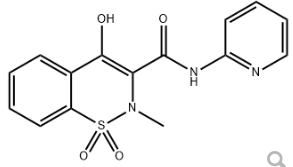
Betamethasone is a potent synthetic glucocorticoid belonging to the corticosteroid class, widely utilized in modern medicine for its robust anti-inflammatory and immunosuppressive properties. Its chemical identity is defined by the molecular formula C22H29FO5, with a corresponding CAS Registry Number of 378-44-9. Structurally, it is a derivative of prednisolone, featuring distinct fluorine and methyl group substitutions that significantly enhance its biological potency compared to natural cortisol.
Clinically, Betamethasone serves as a versatile therapeutic agent across multiple medical disciplines. It is extensively prescribed to manage acute and chronic inflammatory conditions, including rheumatoid arthritis, severe allergies, asthma exacerbations, and dermatological disorders such as eczema and psoriasis. The drug functions by inhibiting the synthesis of pro-inflammatory mediators, thereby reducing swelling, redness, and pain. Furthermore, it plays a critical role in obstetrics; when administered antenatally, it accelerates fetal lung maturity, significantly lowering the risk of respiratory distress syndrome in premature infants. In oncology, it is often incorporated into chemotherapy regimens to mitigate nausea and suppress immune responses during organ transplantation.
The compound is available in various formulations, ranging from oral tablets and injectable solutions to topical creams, ointments, and eye drops, allowing for targeted delivery based on the specific condition being treated. While highly effective, long-term or high-dose usage requires careful medical supervision due to potential side effects, which may include adrenal suppression, osteoporosis, hypertension, hyperglycemia, and increased susceptibility to infections. Despite these risks, Betamethasone remains a cornerstone medication in global healthcare, valued for its ability to rapidly control severe inflammatory processes and improve patient outcomes in diverse clinical scenarios. Its precise mechanism of action involves binding to intracellular glucocorticoid receptors, modulating gene expression to produce systemic anti-inflammatory effects.

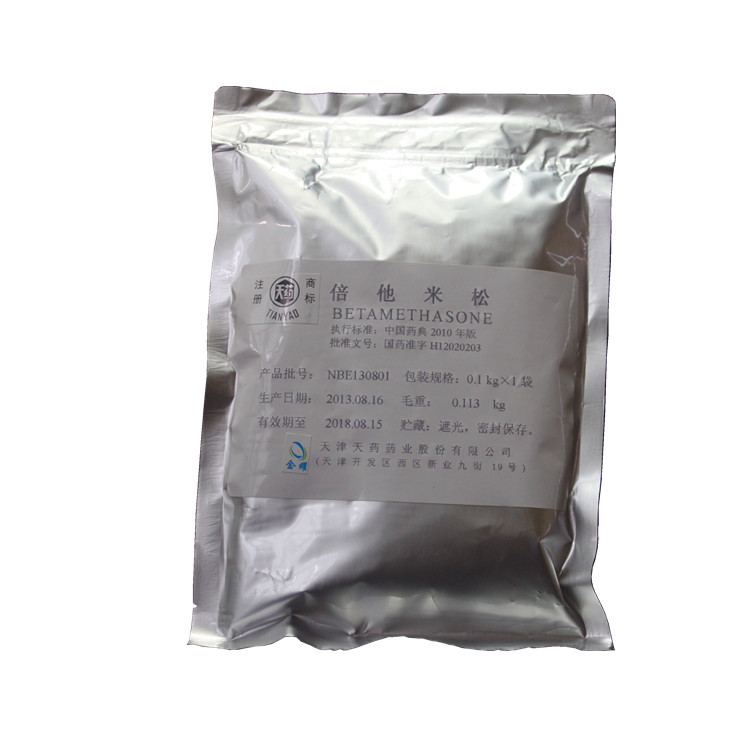




 (All Rights Reserved)