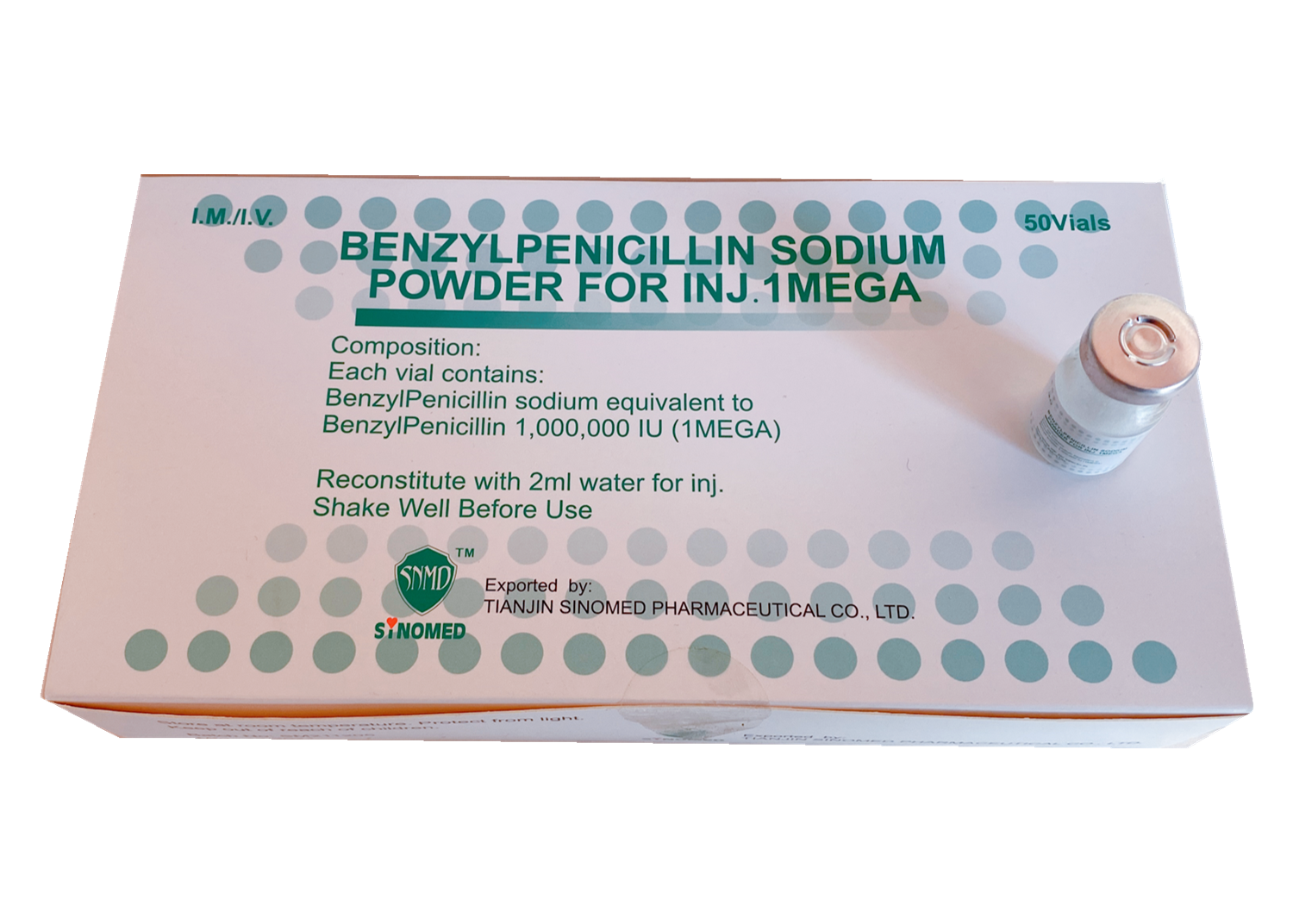
1.Product name:Benzylpenicillin powder for Injection
2.Specification:1Mega
3.Package:50's/box
4.Shelf life:36 months
5.Registration documents are available.
If you are interested in our products,please feel free to contact us.
*The following content is generated by AI and is for reference only.
Benzylpenicillin powder for injection is a critical bactericidal antibiotic used to treat severe bacterial infections caused by susceptible Gram-positive and some Gram-negative organisms. As a penicillin G preparation, it acts by inhibiting bacterial cell wall synthesis, leading to cell lysis and death. This medication is primarily indicated for serious conditions such as meningitis, septicemia, pneumonia, endocarditis, syphilis, diphtheria, anthrax, and tetanus. It is also effective against certain streptococcal and staphylococcal infections, provided the pathogens are not resistant to penicillin. Due to its rapid degradation in acidic environments, it must be administered via intramuscular or intravenous routes immediately after reconstitution with sterile water or saline; oral administration is ineffective.
The product comes as a sterile powder that requires careful handling. Upon mixing, the solution should be clear and colorless; any discoloration indicates degradation. A primary safety concern is the risk of severe hypersensitivity reactions, including anaphylaxis, which can be life-threatening. Patients with a known history of penicillin allergy must not receive this drug unless desensitization protocols are strictly followed under medical supervision. Cross-reactivity with other beta-lactam antibiotics like cephalosporins should also be considered. Renal impairment may necessitate dose adjustments to prevent toxicity, as the drug is excreted unchanged by the kidneys.
Common side effects include pain at the injection site, nausea, and diarrhea. Rare but serious complications involve pseudomembranous colitis due to Clostridioides difficile overgrowth and neurological symptoms like seizures if high doses are administered rapidly intravenously, particularly in patients with renal failure. The "dry powder" formulation ensures stability during storage but demands strict adherence to aseptic techniques during preparation to prevent contamination. Healthcare providers must verify susceptibility testing results before initiating therapy to ensure efficacy. In summary, while Benzylpenicillin remains a cornerstone for treating specific acute infections, its use requires vigilant monitoring for allergic reactions and precise dosing based on patient physiology and infection severity.





 (All Rights Reserved)