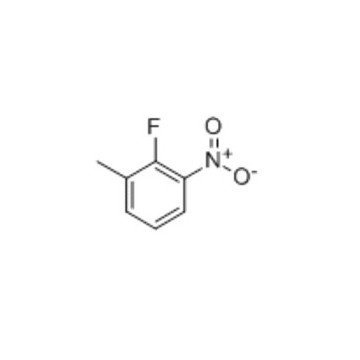
Product Description
Benzyl 2-bromoacetate、5437-45-6
AI Product Description
*The following content is generated by AI and is for reference only.
Benzyl 2-bromoacetate is a versatile organic intermediate widely utilized in the fields of pharmaceutical synthesis, agrochemical production, and materials science. Chemically characterized by its molecular formula C9H9BrO2, this compound possesses a CAS registry number of 103-56-4. Structurally, it consists of a benzyl group esterified with bromoacetic acid, creating a reactive molecule that serves as an excellent alkylating agent due to the presence of the highly electrophilic bromomethyl moiety.
In industrial applications, Benzyl 2-bromoacetate is primarily valued for its role in constructing complex heterocyclic systems. It acts as a crucial building block for synthesizing nitrogen-containing compounds such as imidazoles, pyrazoles, and oxazoles, which are fundamental scaffolds in modern drug discovery. Researchers frequently employ this reagent to introduce functional groups onto aromatic or aliphatic substrates through nucleophilic substitution reactions. Its high reactivity allows for efficient coupling under mild conditions, often facilitating the development of novel therapeutic agents targeting specific biological pathways.
Beyond pharmaceuticals, this chemical finds utility in the synthesis of specialized polymers and dyes. The bromine atom offers a convenient handle for further transformation into other valuable derivatives, including thioethers, amines, and ethers, thereby expanding its applicability in fine chemical manufacturing. Furthermore, it is occasionally used in the preparation of ligands for transition metal catalysis, aiding in cross-coupling reactions essential for advanced material engineering.
Safety protocols are paramount when handling Benzyl 2-bromoacetate. As a lachrymator and potential irritant, it requires storage in a cool, dry, well-ventilated area away from incompatible bases and oxidizers. Personal protective equipment, including gloves and goggles, must be worn during manipulation to prevent skin contact and inhalation of vapors. Despite these hazards, its unique reactivity profile ensures its continued prominence as an indispensable tool in synthetic chemistry laboratories worldwide, bridging the gap between simple precursors and complex bioactive molecules.






 (All Rights Reserved)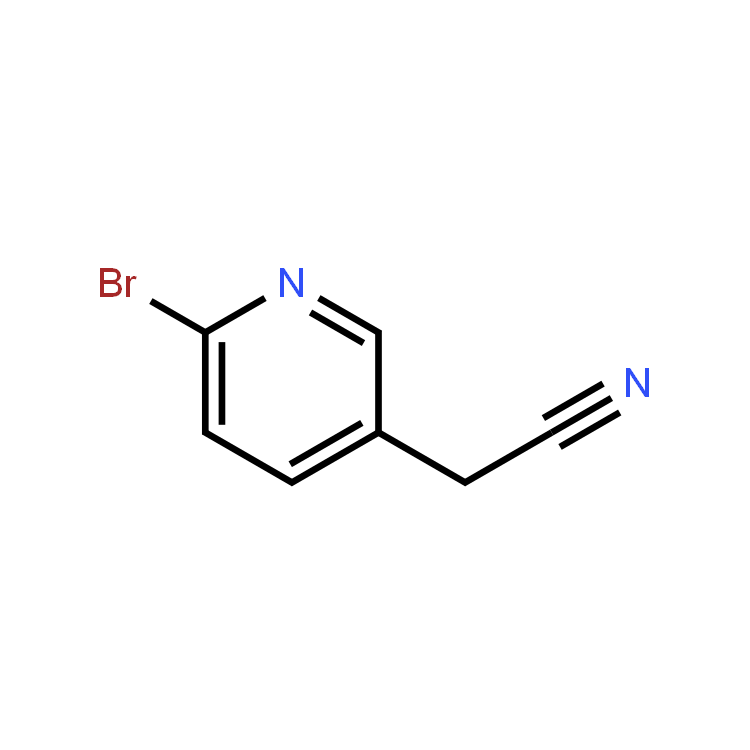
![8-Oxa-1,3-diazaspiro[4.5]decane-2,4-dione](https://eimg.pharmasources.com/image/product/20250403/60fa7223d5a34f24138486ceea0ffb15jpg)
![6,8-Dioxo-5,7-diazaspiro[3.4]octane-2-carboxylic acid](https://eimg.pharmasources.com/image/product/20250403/02effeb5a7639bc84ff1f3add3c0c64fjpg)
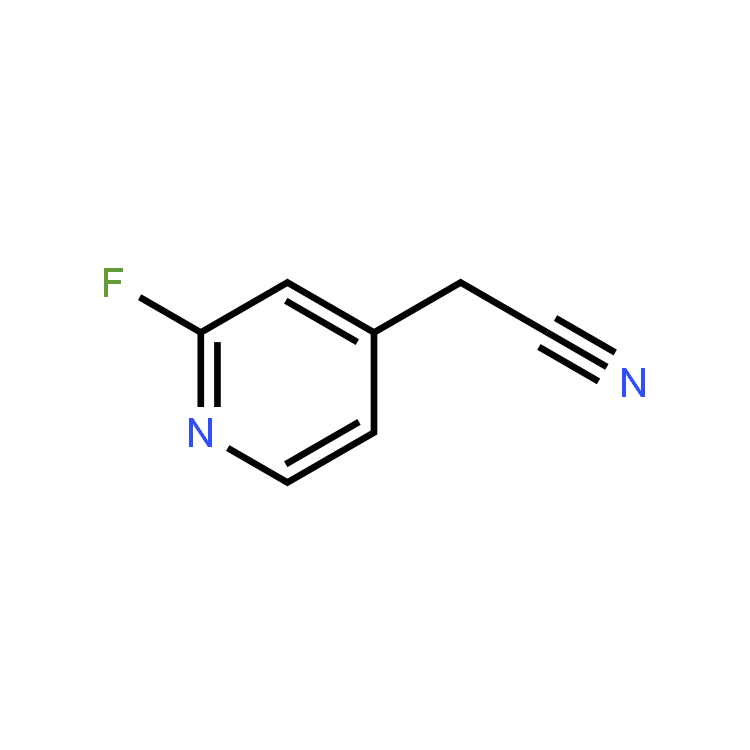
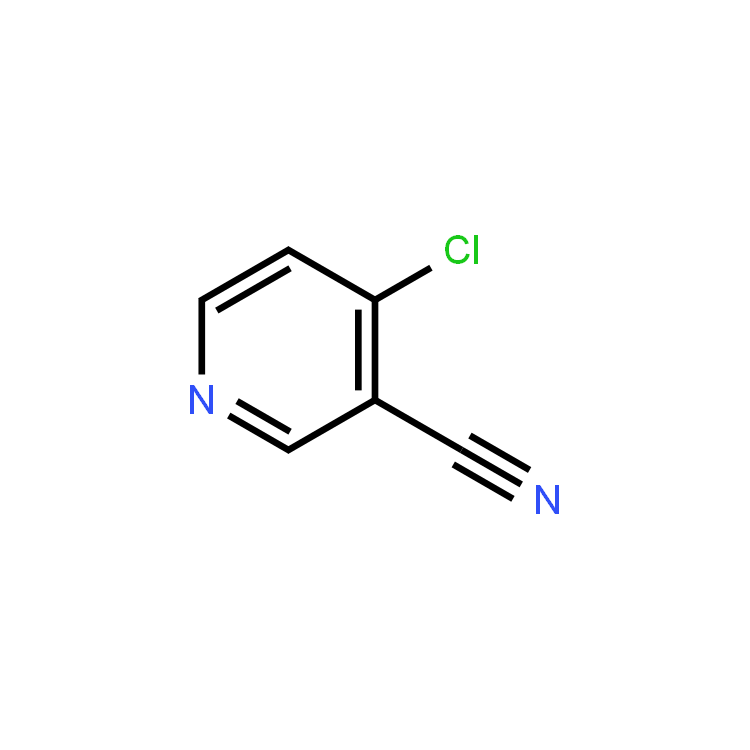
![8,16-Diazadispiro[6.1.6.2]heptadecan-17-one](https://eimg.pharmasources.com/image/product/20250403/ca91cba8b87e53fc879f8d8764873a40jpg)