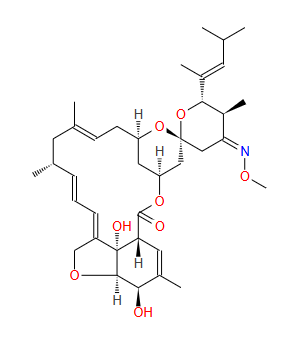
Product Description
GMP
AI Product Description
*The following content is generated by AI and is for reference only.
Azithromycin is a widely utilized semi-synthetic macrolide antibiotic derived from erythromycin. Its chemical structure features a 15-membered azalide ring, which distinguishes it from traditional 14-membered macrolides and grants it superior stability in acidic environments. The molecular formula of Azithromycin is C38H72N2O12, reflecting its complex organic composition containing carbon, hydrogen, nitrogen, and oxygen atoms. It is uniquely identified by the CAS registry number 83905-01-5, ensuring precise tracking in pharmaceutical databases and regulatory filings worldwide.
This medication functions primarily by inhibiting bacterial protein synthesis. It achieves this by binding reversibly to the 50S subunit of the bacterial ribosome, thereby blocking the translocation step required for peptide chain elongation. This mechanism effectively halts the growth of susceptible organisms, classifying Azithromycin as a bacteriostatic agent at lower concentrations and bactericidal at higher doses. Due to its broad-spectrum activity, it demonstrates efficacy against a diverse range of Gram-positive and Gram-negative bacteria, including Streptococcus pneumoniae, Haemophilus influenzae, Moraxella catarrhalis, and various Mycoplasma species.
Clinically, Azithromycin is extensively prescribed for treating respiratory tract infections such as community-acquired pneumonia, acute bacterial exacerbations of chronic bronchitis, and sinusitis. It is also a first-line treatment for skin and soft tissue infections, otitis media in children, and sexually transmitted diseases like chlamydia and gonorrhea. A significant advantage of this drug is its pharmacokinetic profile; it exhibits excellent tissue penetration and possesses an exceptionally long half-life. This allows for convenient dosing regimens, often requiring only a single daily dose for three to five days, or even a single-dose regimen for certain conditions, significantly improving patient compliance compared to other antibiotics.
While generally well-tolerated, potential side effects may include gastrointestinal disturbances such as nausea, diarrhea, and abdominal pain. Rare but serious adverse reactions involve cardiac arrhythmias, particularly QT prolongation, necessitating caution in patients with pre-existing heart conditions. As a cornerstone of modern antimicrobial therapy, Azithromycin remains vital in global efforts to combat infectious diseases, though prudent use is essential to mitigate the growing threat of antibiotic resistance.



 (All Rights Reserved)