*The following content is generated by AI and is for reference only.
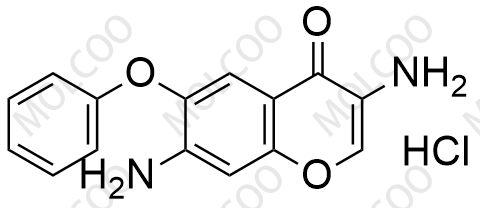
Ataluren is a small-molecule therapeutic agent primarily developed to treat nonsense mutation cystic fibrosis (CF) and Duchenne muscular dystrophy (DMD). Its chemical identity is defined by the molecular formula C21H30N4O, with a corresponding CAS Registry Number of 856497-96-6. Structurally, it belongs to a class of drugs known as translational read-through inducers. The fundamental mechanism of action involves targeting premature stop codons within messenger RNA transcripts. In genetic disorders caused by nonsense mutations, the cellular machinery prematurely halts protein synthesis, resulting in truncated, non-functional proteins that lack essential biological activity. Ataluren binds to the ribosome during the translation process, allowing it to bypass these erroneous stop signals and continue synthesizing the full-length, functional protein. This restoration of protein production aims to address the root cause of the disease rather than merely managing symptoms.
In the context of cystic fibrosis, Ataluren has been investigated for patients carrying specific nonsense mutations in the CFTR gene, aiming to restore chloride channel function in the lungs. Similarly, in DMD, the drug targets mutations in the dystrophin gene to regenerate the missing structural protein critical for muscle integrity. While clinical trial results have shown mixed outcomes regarding efficacy across different patient populations, Ataluren represents a significant advancement in precision medicine approaches for genetic conditions. It offers a potential oral therapy option, which is crucial for improving patient compliance and quality of life compared to invasive treatments. Although regulatory approvals vary by region, with some jurisdictions granting conditional marketing authorization based on specific criteria, ongoing research continues to refine its application profile. The development of Ataluren underscores the growing importance of pharmacological strategies designed to correct genetic errors at the molecular level, providing hope for individuals affected by rare genetic diseases where traditional therapies offer limited benefits.