Product Description
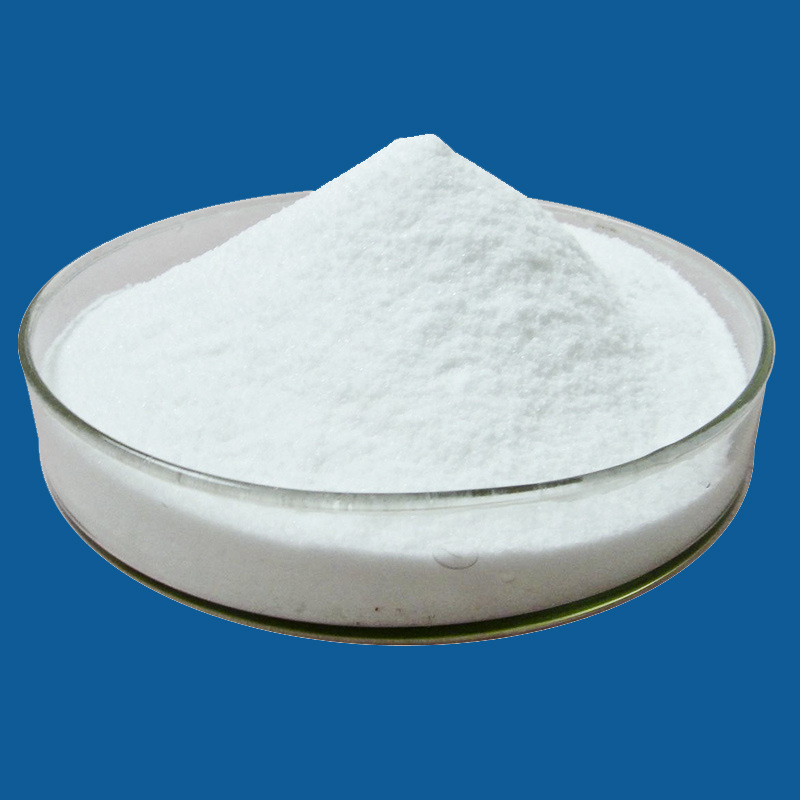
Sunitinib Malate CAS No:341031-54-7
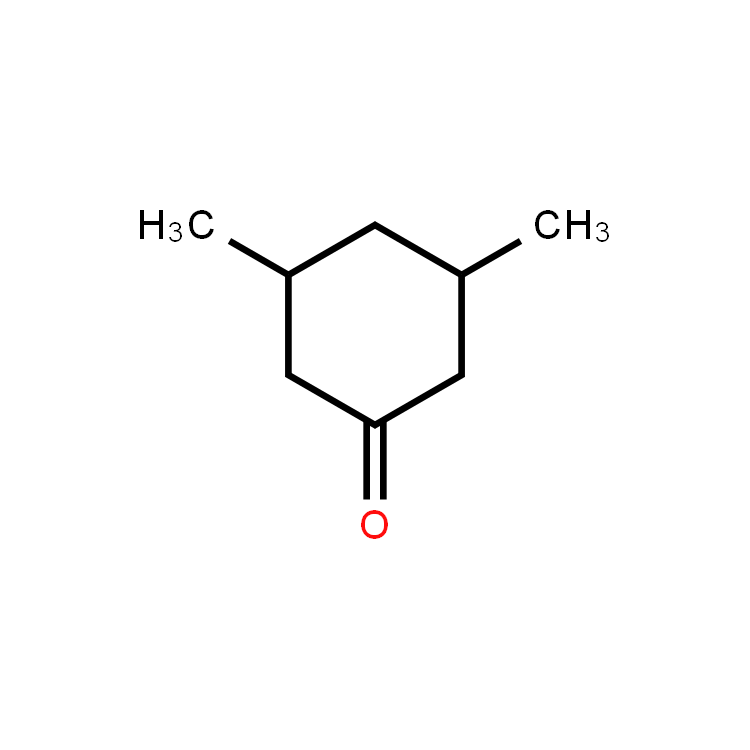
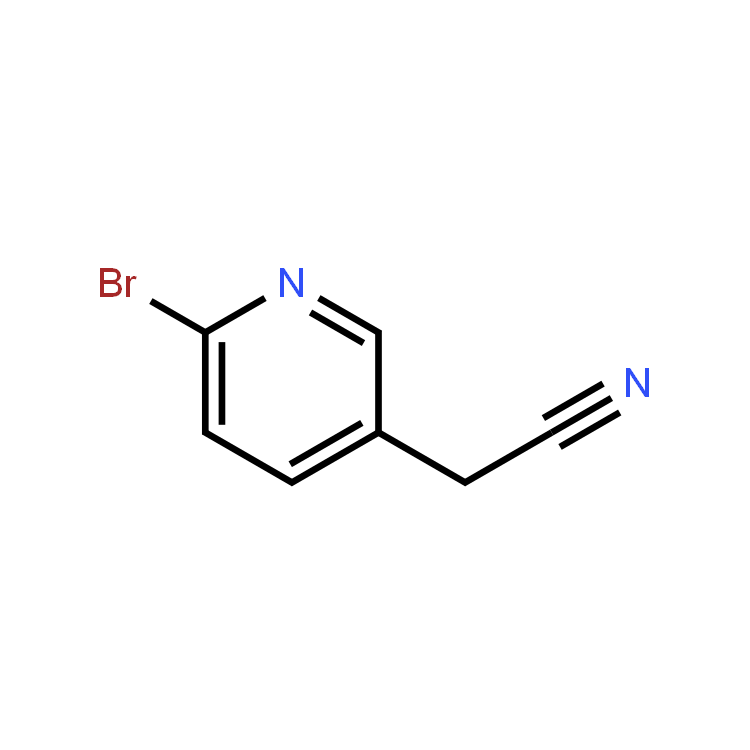
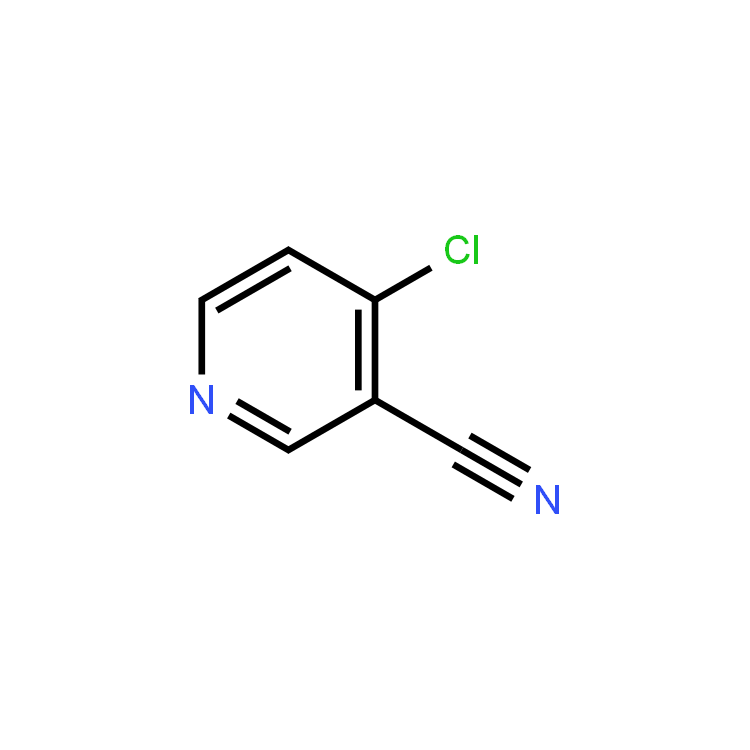
we also can offer Sunitinib malate intermediate: 557795-19-4 356068-93-4 253870-02-9 2199-59-9 56341-41-4 100-36-7
largest supplier in china
specialchem1@ichemie.com
AI Product Description
*The following content is generated by AI and is for reference only.
Aspirin, chemically known as acetylsalicylic acid and identified by the CAS number 50-78-2, is one of the most widely utilized pharmaceutical agents globally. Its molecular formula is C9H8O4, reflecting a structure derived from salicylic acid where an acetyl group replaces a hydrogen atom on the hydroxyl group. This modification significantly reduces gastric irritation compared to its parent compound while retaining potent therapeutic effects. First synthesized in 1897 by Felix Hoffmann at Bayer, Aspirin has since become a cornerstone in modern medicine, serving as a versatile tool for pain management, inflammation reduction, and fever alleviation.
The primary mechanism of action involves the irreversible inhibition of cyclooxygenase (COX) enzymes, specifically COX-1 and COX-2. By blocking these enzymes, Aspirin prevents the synthesis of prostaglandins and thromboxanes, which are lipid compounds responsible for mediating pain, inflammation, and blood clotting. Consequently, it is extensively prescribed for treating mild to moderate pain associated with headaches, muscle aches, toothaches, and arthritis. Furthermore, due to its anti-inflammatory properties, it is effective in managing conditions like rheumatoid arthritis and osteoarthritis.
Beyond acute symptom relief, low-dose Aspirin plays a critical role in cardiovascular health. It acts as a potent antiplatelet agent, preventing platelet aggregation and reducing the risk of heart attacks and ischemic strokes in high-risk patients. This long-term preventive therapy is standard practice for individuals with established coronary artery disease or those recovering from specific cardiac events. Additionally, recent research suggests potential benefits in cancer prevention and preeclampsia management, though clinical guidelines continue to evolve regarding these applications. Despite its widespread availability over-the-counter, caution is advised for individuals with bleeding disorders, peptic ulcers, or aspirin-sensitive asthma. While generally safe when used correctly, adherence to dosage recommendations is essential to minimize gastrointestinal side effects and ensure patient safety.




 (All Rights Reserved)
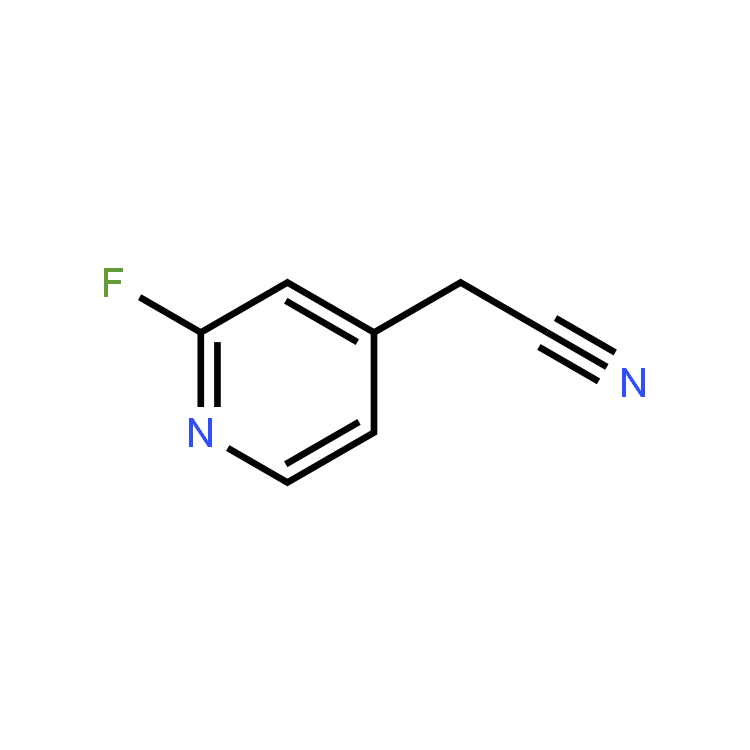
![8-Oxa-1,3-diazaspiro[4.5]decane-2,4-dione](https://eimg.pharmasources.com/image/product/20250403/60fa7223d5a34f24138486ceea0ffb15jpg)
![6,8-Dioxo-5,7-diazaspiro[3.4]octane-2-carboxylic acid](https://eimg.pharmasources.com/image/product/20250403/02effeb5a7639bc84ff1f3add3c0c64fjpg)
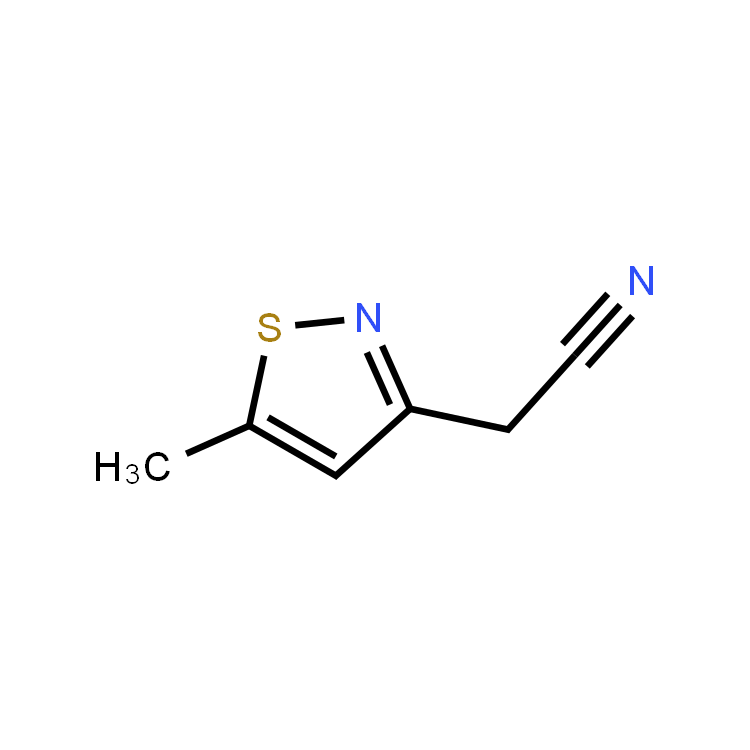
![8,16-Diazadispiro[6.1.6.2]heptadecan-17-one](https://eimg.pharmasources.com/image/product/20250403/ca91cba8b87e53fc879f8d8764873a40jpg)