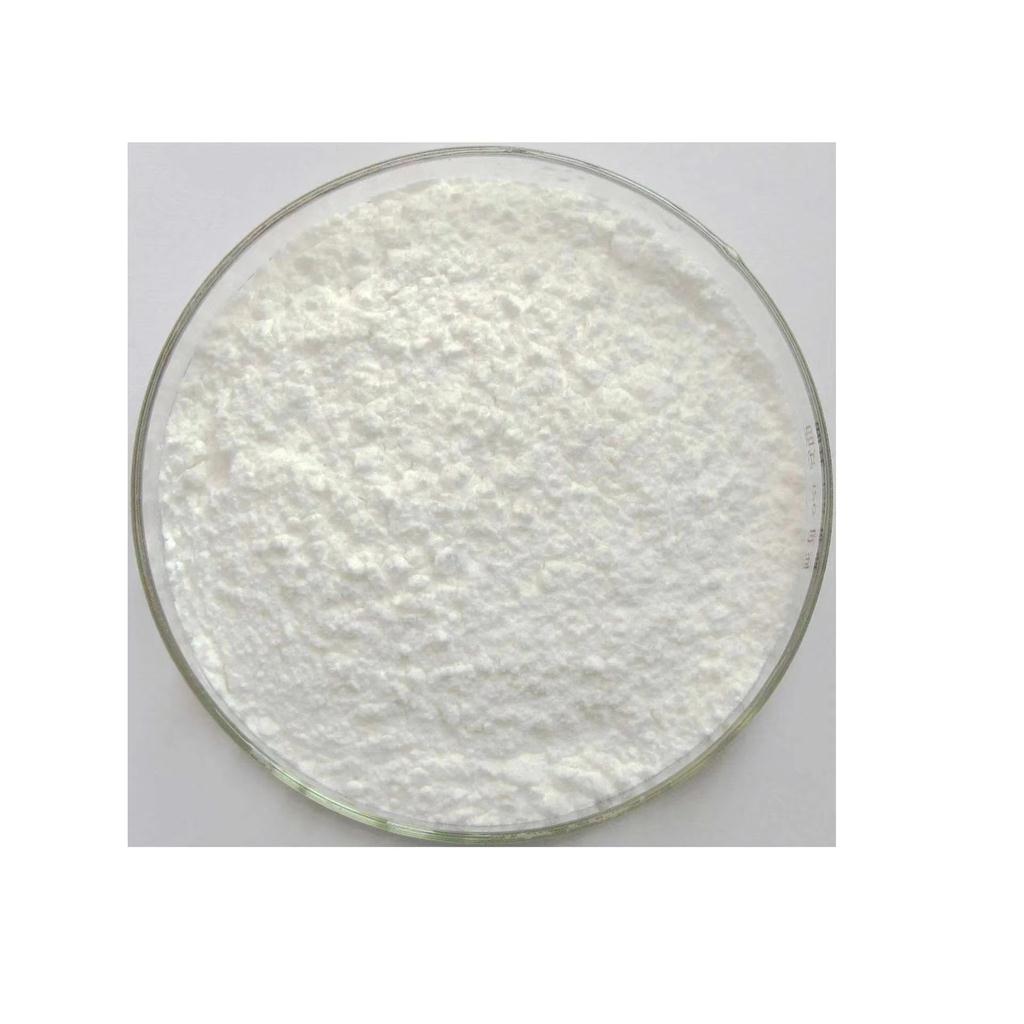
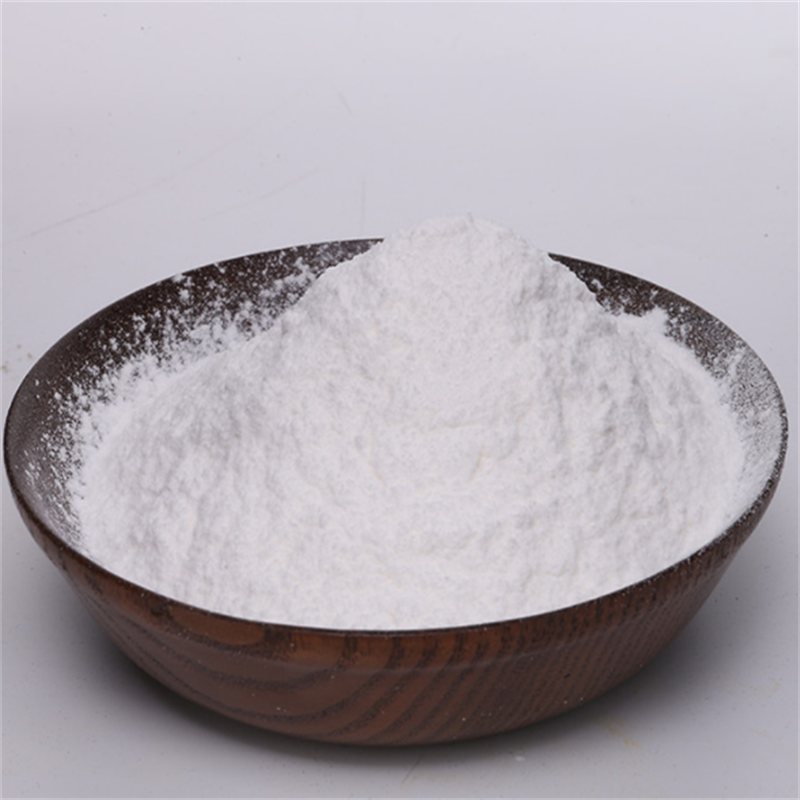
Artesunate belongs to a group of medicines known as antimalarials. It treats malaria, a red blood cell infection transmitted by the bite of a mosquito. However, this medicine is not used to prevent malaria. This medicine is to be given only by or under the immediate supervision of your doctor.
*The following content is generated by AI and is for reference only.
Artesunate, a semi-synthetic derivative of artemisinin, stands as a cornerstone in the global fight against malaria. With the Chemical Abstracts Service (CAS) number 84539-00-6 and the molecular formula C₁₉H₂₈O₈, this compound represents a significant advancement over its natural precursor due to enhanced water solubility and stability. Originally isolated from the sweet wormwood plant, Artemisia annua, artesunate was developed to overcome the limitations of artemisinin, which suffers from poor bioavailability and rapid degradation in the body.
The primary therapeutic application of artesunate is the treatment of severe Plasmodium falciparum malaria, a life-threatening disease transmitted by Anopheles mosquitoes. It acts rapidly by generating free radicals that damage essential proteins and lipids within the parasite, leading to swift clearance from the bloodstream. This mechanism makes it particularly effective for patients with high parasitemia or those presenting with cerebral malaria, where immediate intervention is critical to prevent mortality. The World Health Organization (WHO) strongly recommends intravenous or intramuscular artesunate as the first-line treatment for severe malaria cases worldwide, replacing quinine in many protocols due to its superior safety profile and faster efficacy.
Beyond severe malaria, artesunate is widely utilized in oral formulations for uncomplicated malaria, often in combination with other antimalarial agents like lumefantrine or mefloquine to prevent drug resistance. Its versatility extends beyond infectious disease; ongoing research explores its potential anti-cancer properties, antiviral effects against various pathogens, and applications in treating autoimmune disorders. While generally well-tolerated, side effects can include transient hemolysis or gastrointestinal disturbances. Despite challenges related to drug resistance in some regions, artesunate remains an indispensable tool in modern medicine, saving millions of lives annually and serving as a vital component of global health strategies aimed at malaria eradication. Its continued development and strategic deployment underscore its enduring importance in public health history.





 (All Rights Reserved)