Category:
Protein/Antigen/Polypeptide
CAS NO:
65277-42-1
Standard:
In-house Standards,


Product Information
| Ketoconazole Basic information |
| Product Name: | Ketoconazole |
| Synonyms: | ,3-dioxolan-4-yl)methoxy)phenyl)-,cis-;fungarest;fungoral;ketoconazol;ketoderm;ketoisdin;kw-1414;nizoral |
| CAS: | 65277-42-1 |
| MF: | C26H28Cl2N4O4 |
| MW: | 531.43 |
| EINECS: | 265-667-4 |
| Melting point | 146°C |
| Boiling point | 753.4±60.0 °C(Predicted) |
| density | 1.4046 (rough estimate) |
| refractive index | -10.5 ° (C=0.4, CHCl3) |
| Fp | 9ºC |
| storage temp. | 2-8°C |
| solubility | methanol: soluble50mg/mL |
| pka | pKa 3.25/6.22(H2O,t =25,I=0.025) (Uncertain) |
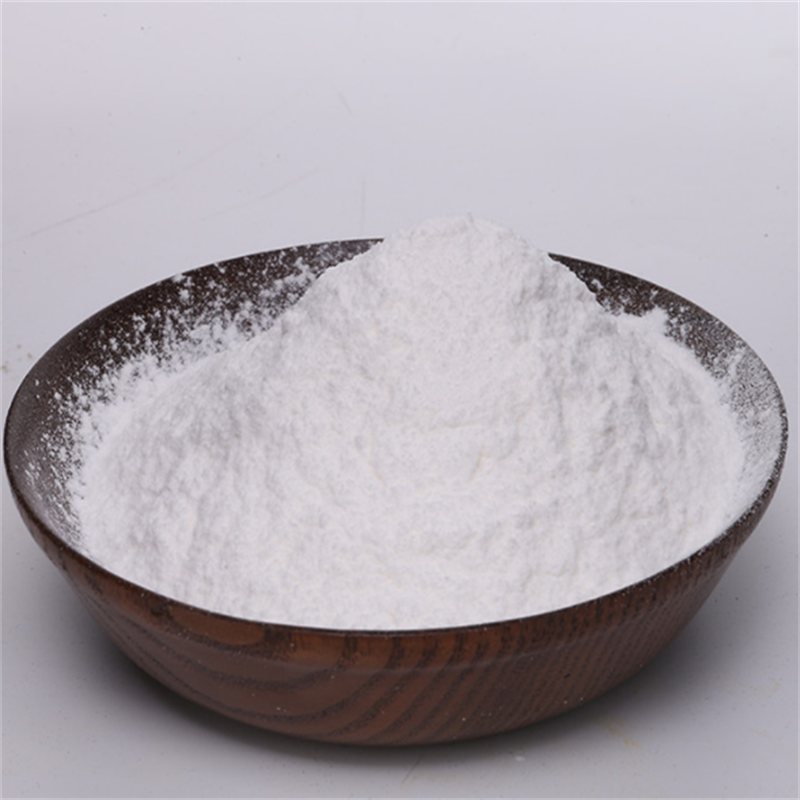
| form | Off-white solid |
| color | white to light yellow |
| optical activity | [α]20/D -1 to 1°, c = 4 in methanol |
| Water Solubility | Soluble in DMSO, ethanol, chloroform, water, and methanol. |
Usage
Ketoconazole is an imidazole anti-fungal agent, a CYP3A4 and CYP24A1 inhibitor.Target: CYP3A4 CYP24A1Ketoconazole, an imidazole anti-fungal agent, has often produced features of androgen deficiency including decreased libido, gynecomastia, impotence, oligospermia, and decreased testosteron levels, in men being treated for chronic mycotic infections [1]. Ketoconazole also is a cytochrome P450 inhibitor [2].Ketoconazole (KTZ), on the antischistosomal potential of these quinolines against Schistosoma mansoni infection by evaluating parasitological, histopathological, and biochemical parameters. Mice were classified into 7 groups: uninfected untreated (I), infected untreated (II), infected treated orally with PZQ (1,000 mg/kg) (III), QN (400 mg/kg) (IV), KTZ (10 mg/kg)+QN as group IV (V), HF (400 mg/kg) (VI), and KTZ (as group V)+HF (as group VI) (VII). KTZ plus QN or HF produced more inhibition (P<0.05) in hepatic CYP450 (85.7% and 83.8%) and CYT b5 (75.5% and 73.5%) activities, respectively, than in groups treated with QN or HF alone. This was accompanied with more reduction in female (89.0% and 79.3%), total worms (81.4% and 70.3%), and eggs burden (hepatic; 83.8%, 66.0% and intestinal; 68%, 64.5%), respectively, and encountering the granulomatous reaction to parasite eggs trapped in the liver.[3] CYP24A1 inhibitor enhances antiproliferative effects, increases systemic calcitriol exposure, and promotes the activation of caspase-independent apoptosis pathway.



 (All Rights Reserved) (All Rights Reserved)