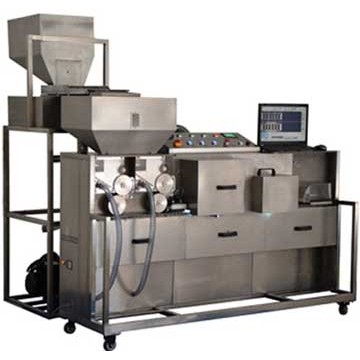
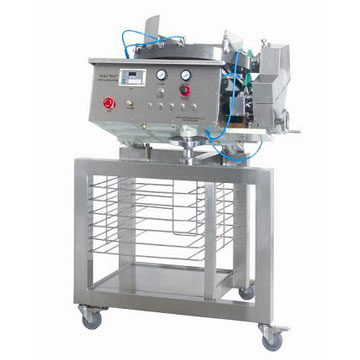
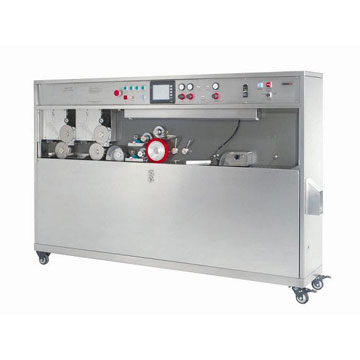
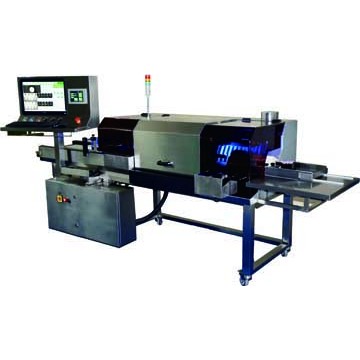
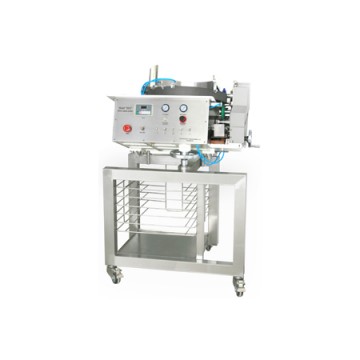
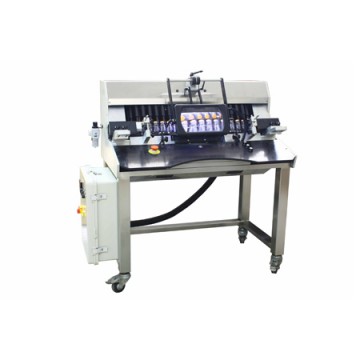
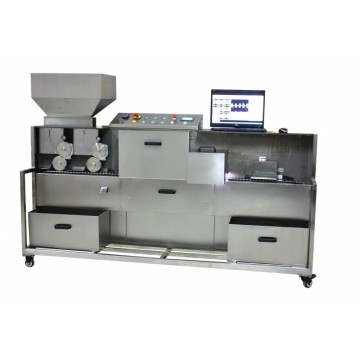
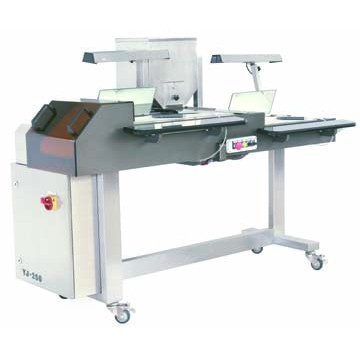
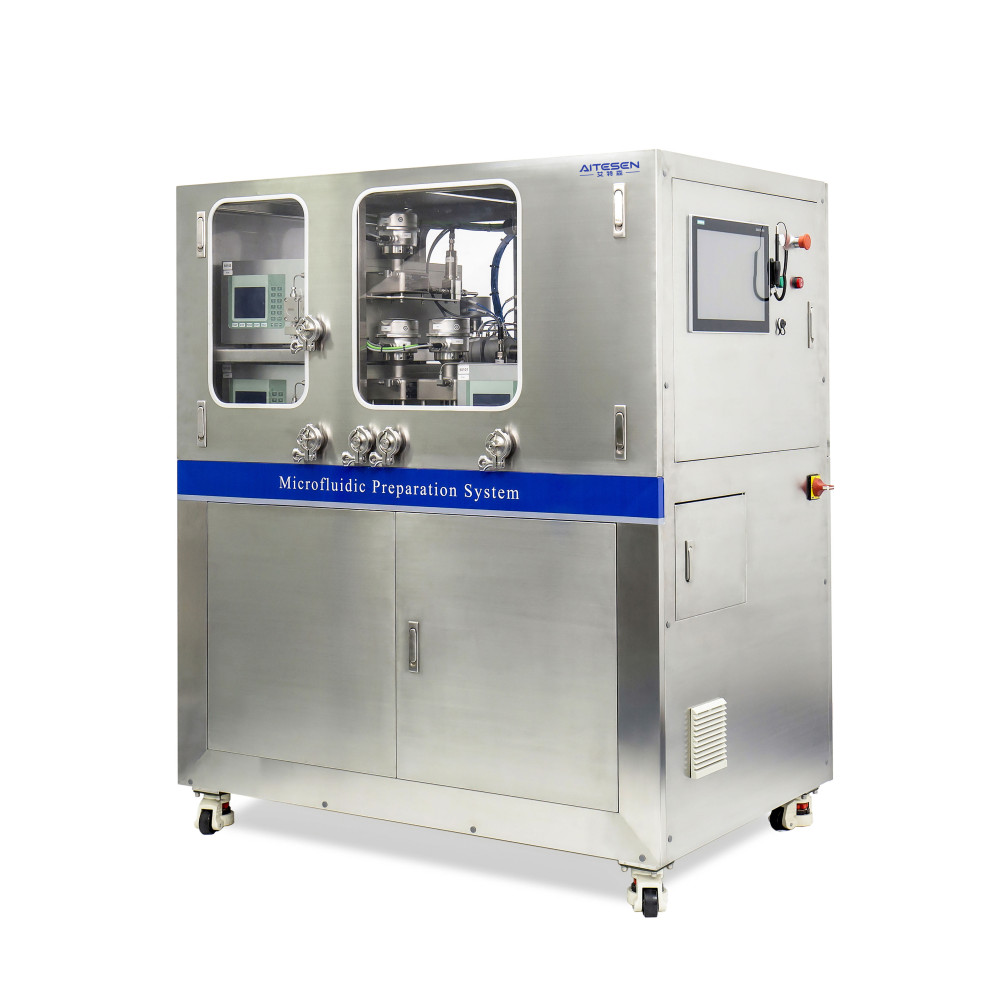
It is mainly used for the visual inspection of the pharmaceutical preparations in ampoules and vials in pharmaceutical industry.
By adopting Tyndall principle, the contrast of impurity particles is intensively enhanced under the concentrated light beam and the impurity can be detected very easily and quickly.
*The following content is generated by AI and is for reference only.
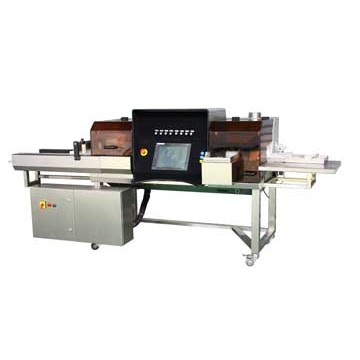
The YJA-90DT represents a high-precision automated inspection system designed specifically for the pharmaceutical and medical device industries. Its primary function is to ensure the absolute integrity of glass ampoules and vials prior to filling or packaging. In modern manufacturing, even microscopic defects can lead to catastrophic product failures, contamination, or patient harm. This machine addresses these critical risks by employing advanced optical sensors and image processing algorithms to detect flaws that are invisible to the naked eye.
The system operates at high speeds, inspecting thousands of units per minute without compromising accuracy. It identifies a wide range of defects, including internal cracks, chips on the rim, foreign particles within the liquid or container, incorrect fill levels, and surface scratches. By integrating seamlessly into existing production lines, it serves as a vital quality gatekeeper, ensuring that only flawless containers proceed to the next stage. The use of non-contact inspection methods guarantees that the products remain sterile and undamaged during the process.
Operating such equipment requires strict adherence to safety and maintenance protocols. Operators must ensure the machine is installed in a cleanroom environment with controlled humidity and temperature to prevent false readings caused by dust or condensation. Regular calibration of the optical sensors and lighting systems is essential to maintain detection sensitivity over time. Additionally, personnel should be trained to interpret error logs correctly and perform routine cleaning of conveyor belts and camera lenses using approved solvents. Failure to follow these guidelines may result in reduced inspection reliability or mechanical downtime. Proper grounding and electrical safety checks are also mandatory before powering up the unit. Ultimately, this technology is indispensable for maintaining regulatory compliance and protecting brand reputation in the highly regulated healthcare sector.




 (All Rights Reserved)