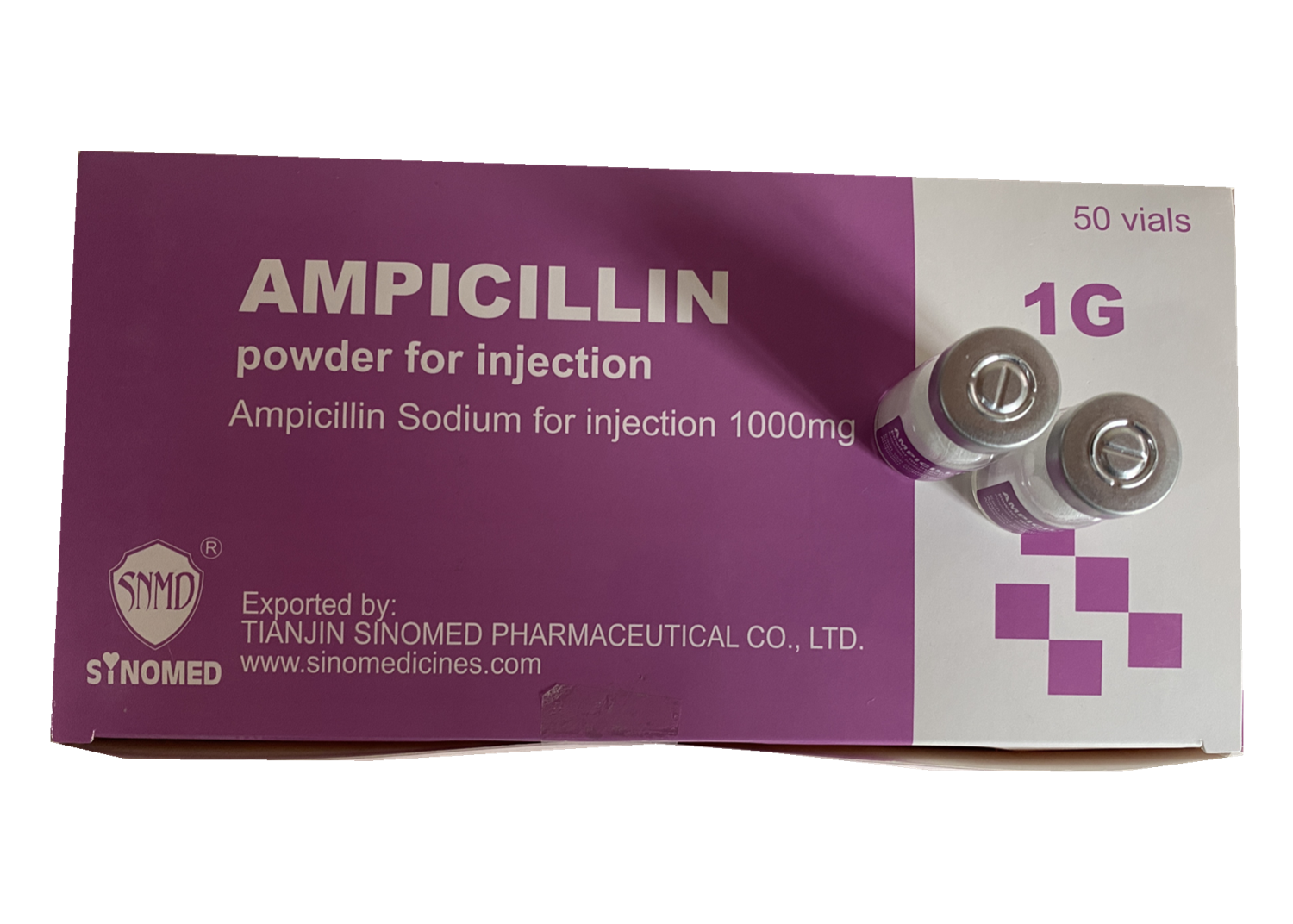
Product Name:Ampicillin Sodium For Injection
Specification:0.5g&1g
Packing:50 vials/box
Registration documents are available.
If you are interested in our products,please feel free to contact us.
*The following content is generated by AI and is for reference only.
Ampicillin Sodium for Injection is a broad-spectrum, semi-synthetic penicillin antibiotic formulated specifically for intravenous or deep intramuscular administration. Primarily indicated for the treatment of serious bacterial infections, it is effective against a wide range of Gram-positive and some Gram-negative organisms. Common clinical applications include pneumonia, meningitis, septicemia, urinary tract infections, skin and soft tissue infections, and gonococcal infections. It is often utilized in cases where oral therapy is not feasible or when rapid, high serum concentrations are required to combat life-threatening conditions. The drug functions by inhibiting bacterial cell wall synthesis, leading to cell lysis and death.
Despite its efficacy, several critical precautions must be observed prior to use. The most significant concern is hypersensitivity; Ampicillin is contraindicated in patients with a known history of severe allergic reactions to penicillins or cephalosporins. Administration can precipitate anaphylaxis, which requires immediate emergency intervention. Cross-sensitivity among beta-lactam antibiotics is well-documented. Additionally, clinicians should exercise caution when treating patients with renal impairment, as dosage adjustments are necessary to prevent drug accumulation and potential neurotoxicity. Gastrointestinal disturbances, including pseudomembranous colitis caused by *Clostridioides difficile*, may occur due to the alteration of normal gut flora.
Special attention is warranted regarding specific patient populations. In individuals with mononucleosis, the incidence of non-allergic rashes is significantly elevated. Furthermore, concurrent use with probenecid can prolong the half-life of ampicillin, potentially increasing therapeutic effects but also raising the risk of toxicity. Proper reconstitution of the powder is essential to maintain stability and sterility; solutions should generally be used immediately after preparation. Healthcare providers must always verify susceptibility patterns before initiating therapy, as resistance mechanisms, particularly beta-lactamase production, are increasingly common among target pathogens. This product remains a cornerstone in antimicrobial stewardship when used appropriately according to established guidelines.





 (All Rights Reserved)