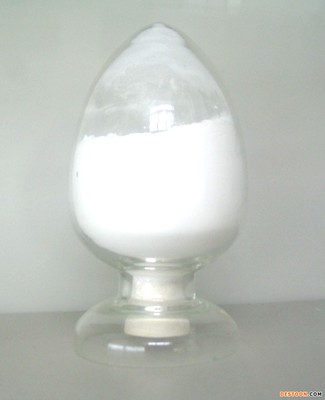
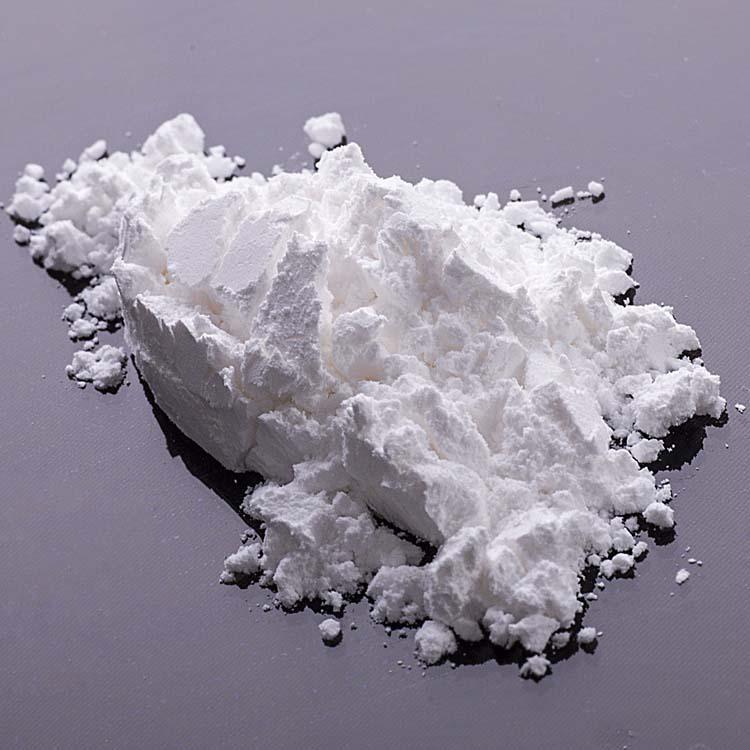
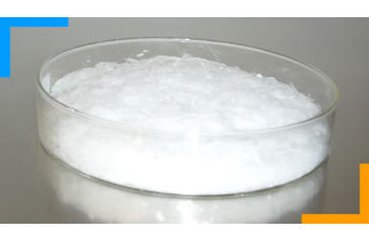
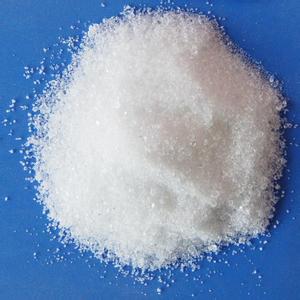
This product is a white to light yellow granular or powder, has agglomerate, micro ammonia smell, taste bitter;
Absorb the oxygen in the air, carbon and decomposed into theophylline, aqueous alkaline reaction.
Dissolved in water, slightly soluble in ethanol, almost insoluble in ether.
*The following content is generated by AI and is for reference only.
Aminophylline is a widely utilized pharmaceutical compound primarily employed in the management of respiratory disorders characterized by airway obstruction. Chemically, it is not a single entity but a 2:1 complex of ethylenediamine and theophylline, designed to enhance the solubility of theophylline in aqueous solutions for intravenous or intramuscular administration. Its molecular formula is C₁₆H₂₄N₁₀O₄, and it carries the CAS registry number 317-95-7. This formulation effectively combines the bronchodilating properties of theophylline with the solubilizing effects of ethylenediamine, allowing for rapid onset of action when acute relief is required.
The primary clinical application of aminophylline lies in its ability to relax smooth muscle within the bronchi, thereby improving airflow in patients suffering from asthma exacerbations and chronic obstructive pulmonary disease (COPD). Beyond bronchodilation, it acts as a central nervous system stimulant and a diuretic, though these effects are often secondary to its respiratory benefits in modern therapeutic protocols. By inhibiting phosphodiesterase enzymes, aminophylline increases intracellular cyclic adenosine monophosphate (cAMP) levels, leading to smooth muscle relaxation. Additionally, it antagonizes adenosine receptors, which contributes to its stimulatory effects on the heart and respiratory drive.
Despite its efficacy, aminophylline possesses a narrow therapeutic index, necessitating careful monitoring of serum drug concentrations to avoid toxicity. Adverse effects can range from mild nausea and headache to severe cardiac arrhythmias, seizures, and hypotension if overdosed. Consequently, it is typically reserved for cases where other treatments like beta-agonists or corticosteroids are insufficient or unavailable. While newer, more selective bronchodilators have reduced its frequency of use in routine outpatient care, aminophylline remains a critical rescue medication in emergency settings for life-threatening bronchospasm. Its role underscores the importance of balancing potent pharmacological activity with rigorous safety monitoring to ensure patient well-being during acute respiratory crises.





 (All Rights Reserved)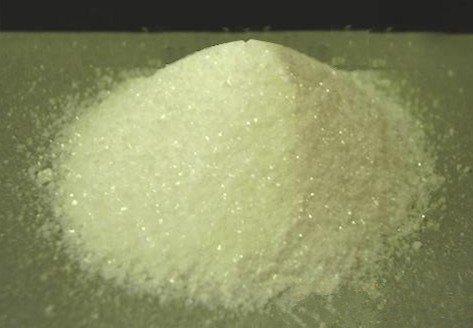



![6,8-Dioxo-5,7-diazaspiro[3.4]octane-2-carboxylic acid](https://eimg.pharmasources.com/image/product/20250403/02effeb5a7639bc84ff1f3add3c0c64fjpg)



![8-Oxa-1,3-diazaspiro[4.5]decane-2,4-dione](https://eimg.pharmasources.com/image/product/20250403/60fa7223d5a34f24138486ceea0ffb15jpg)

![8,16-Diazadispiro[6.1.6.2]heptadecan-17-one](https://eimg.pharmasources.com/image/product/20250403/ca91cba8b87e53fc879f8d8764873a40jpg)
