Product Description
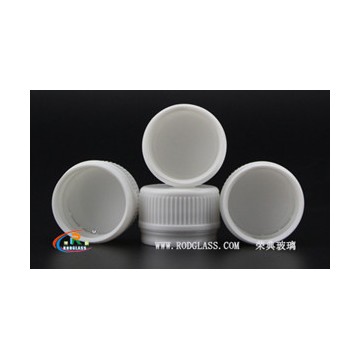
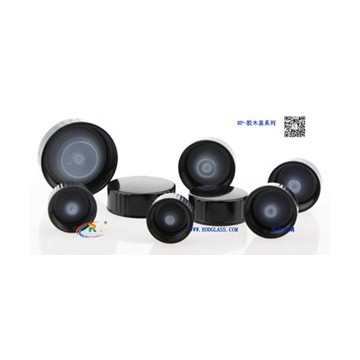
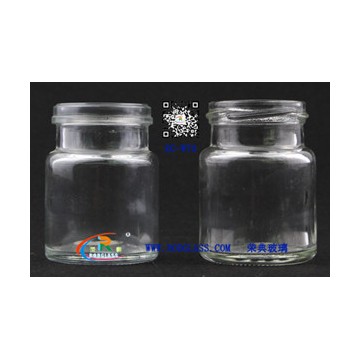
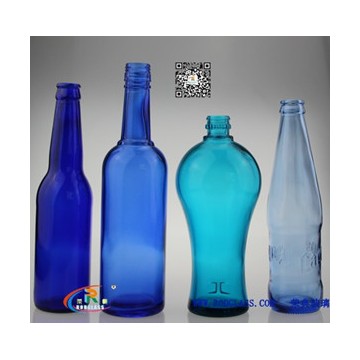
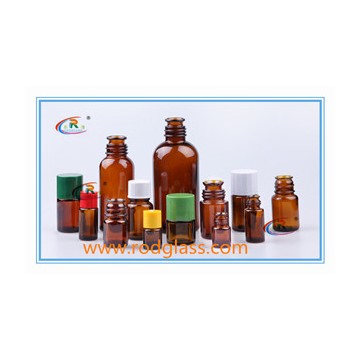
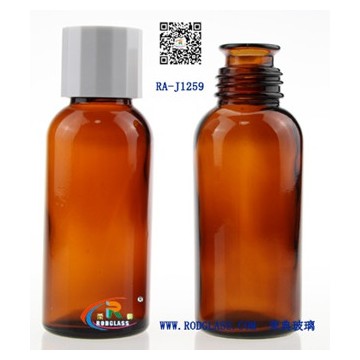
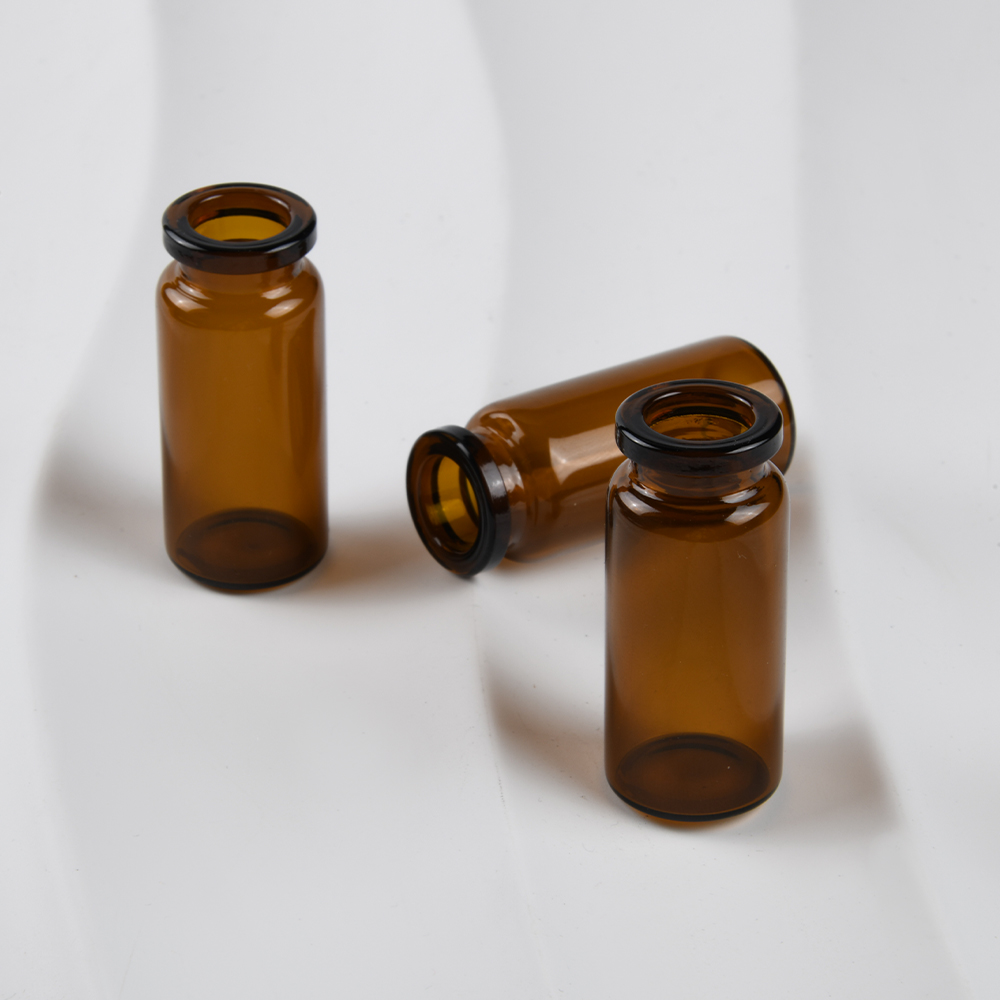
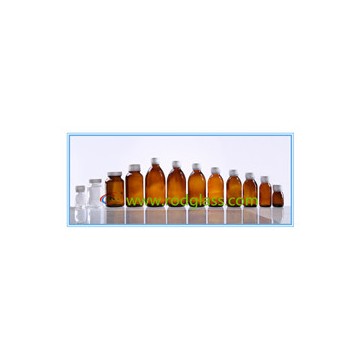
Amber glass bottle for pharmaceutical syrup DIN PP 28mm,
its specification : 30ml,60ml,100ml,125ml,150ml.
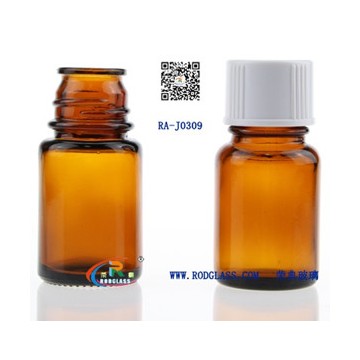
The tablet bottle capacity:30ml,60ml,75ml,100ml,120ml.
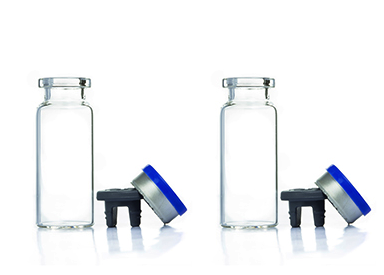
Can be with plastic or aluminum cap.
AI Product Description
*The following content is generated by AI and is for reference only.
Amber glass bottles are a cornerstone of the pharmaceutical industry, specifically engineered to protect light-sensitive medications from degradation. Crafted from high-quality soda-lime or borosilicate glass with an amber tint, these containers act as a critical barrier against ultraviolet (UV) and visible light radiation. Many active pharmaceutical ingredients (APIs), such as vitamins, antibiotics, hormones, and certain liquid formulations, are chemically unstable when exposed to sunlight or artificial lighting. Without proper protection, photodegradation can alter the chemical structure of the drug, leading to reduced potency, the formation of harmful byproducts, or complete loss of therapeutic efficacy. Consequently, amber glass ensures product stability throughout its shelf life, maintaining safety and quality for patients.
These bottles are widely utilized for storing oral liquids, syrups, eye drops, injectables, and topical solutions. They come in various sizes and configurations, ranging from standard screw-cap vials to dropper-equipped dispensers, accommodating diverse dosage forms. The glass material itself offers superior chemical inertness, preventing interactions between the container and the medication, which is vital for preserving formulation integrity. Furthermore, amber glass provides excellent moisture resistance and thermal stability compared to many plastic alternatives.
When handling and utilizing amber glass bottles, several precautions must be observed. First, while the amber color blocks significant UV radiation, it does not offer 100% protection; therefore, storage should ideally occur in dark, cool environments away from direct light sources to maximize preservation. Second, due to the inherent brittleness of glass, care must be taken during transportation and handling to prevent breakage, which could lead to contamination or injury. Proper capping is essential to ensure a hermetic seal, preventing evaporation or microbial ingress. Finally, users should always verify that the bottle meets relevant pharmacopeial standards, such as USP Type I or III glass classifications, to guarantee compatibility with specific drug formulations. By adhering to these guidelines, manufacturers and consumers alike can ensure the highest standards of pharmaceutical safety and efficacy.





 (All Rights Reserved)