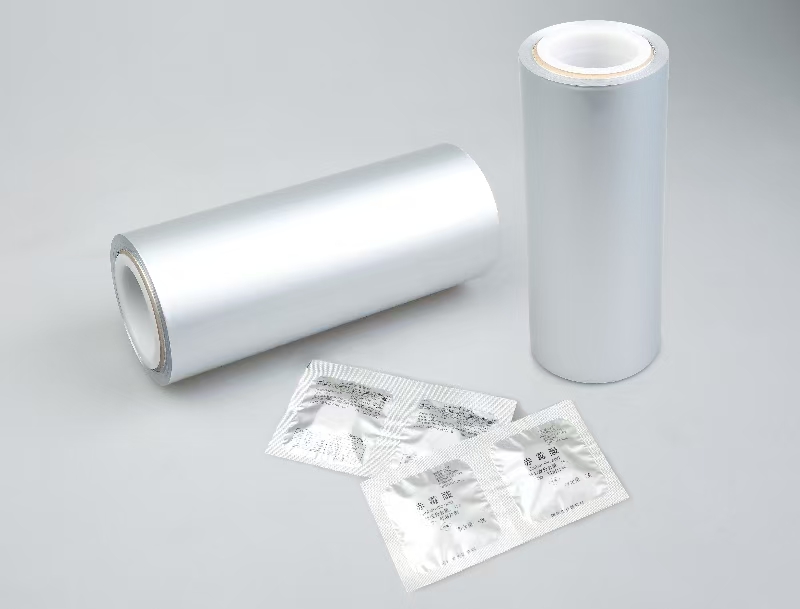
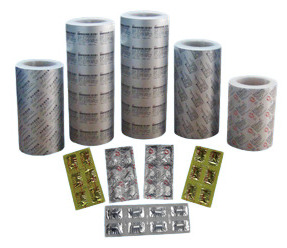
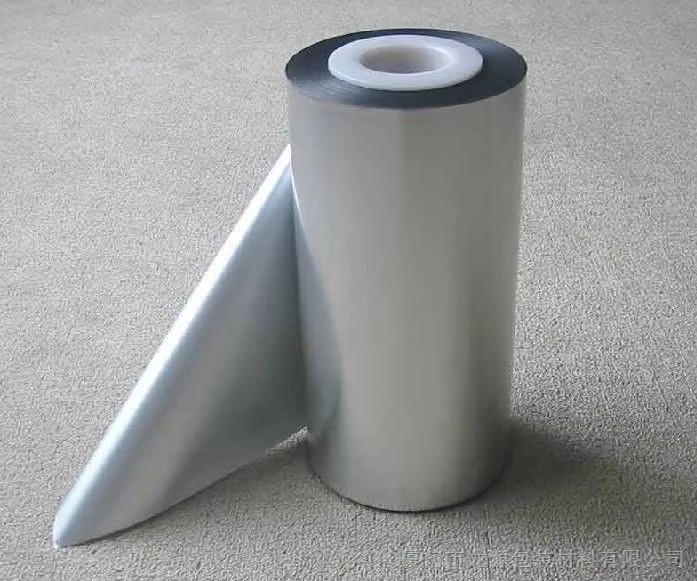
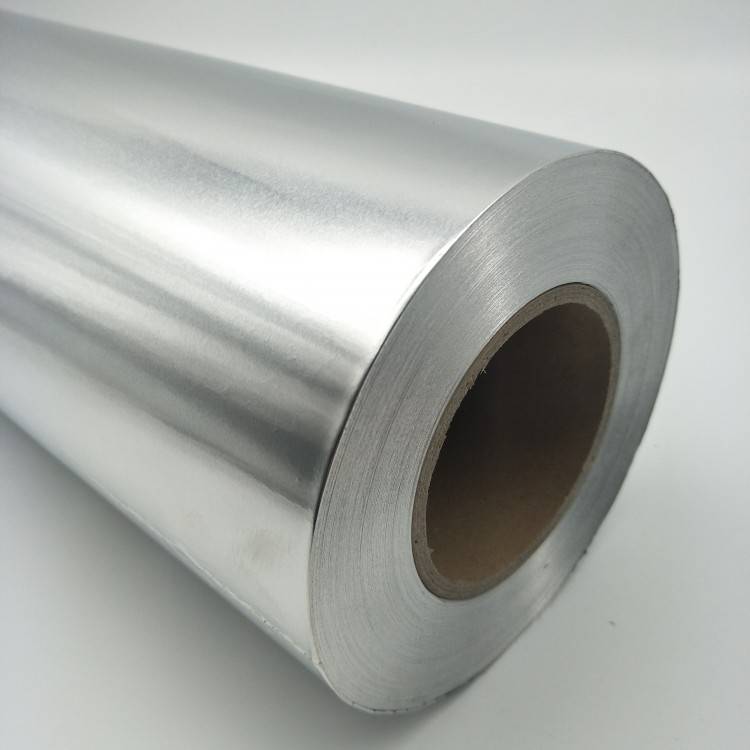
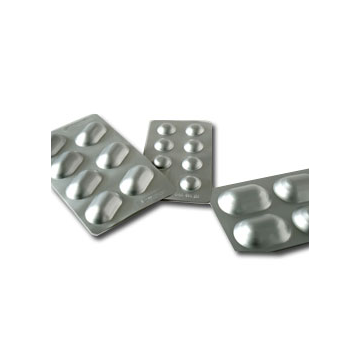
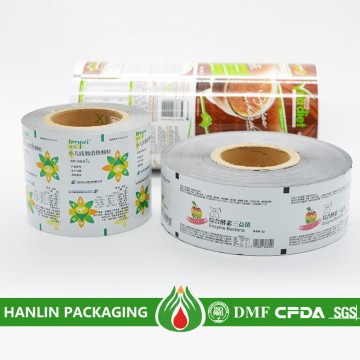
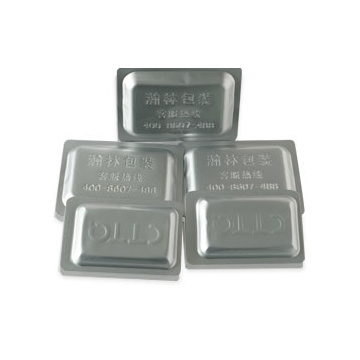
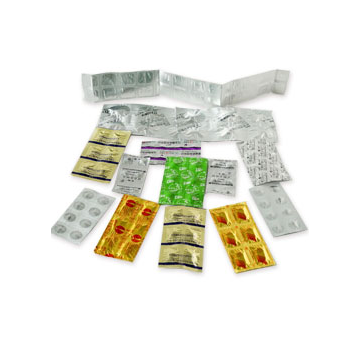
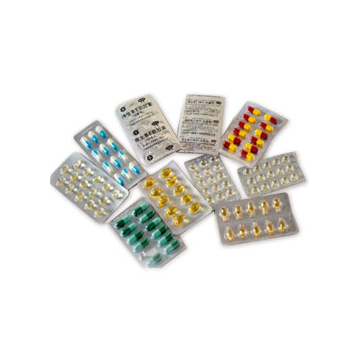
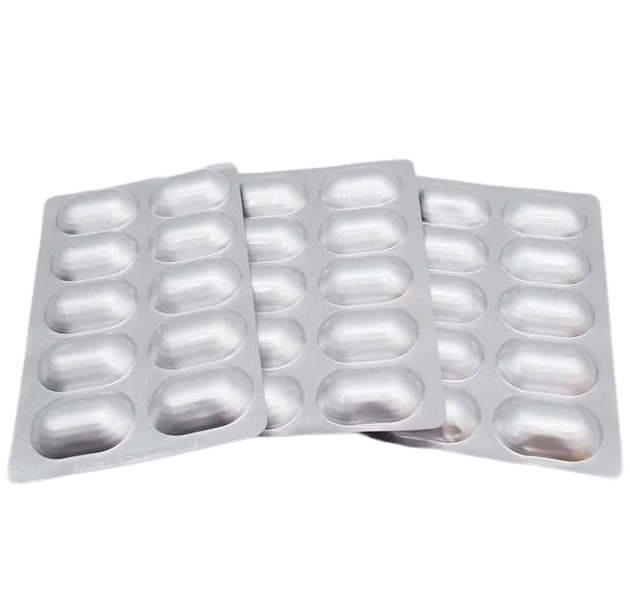
COLD-FORMING ALUMINUM FOIL / ALU ALU FOIL
Brief introduction:
-
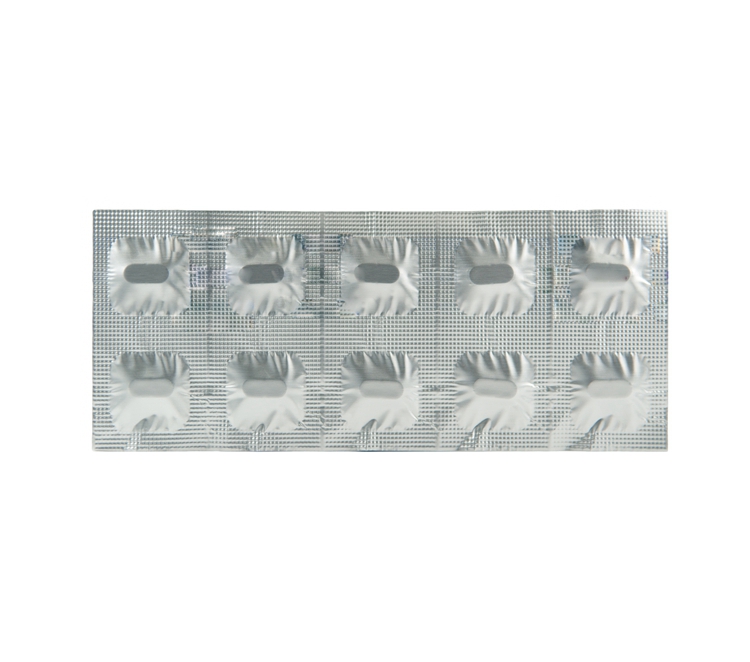
Independent for each blister, high barrier against moisture, oxygen, other gases, light and UV rays.
-
Used as special packaging materials for the drugs under extreme(high or low temperature) environment.
Main application:
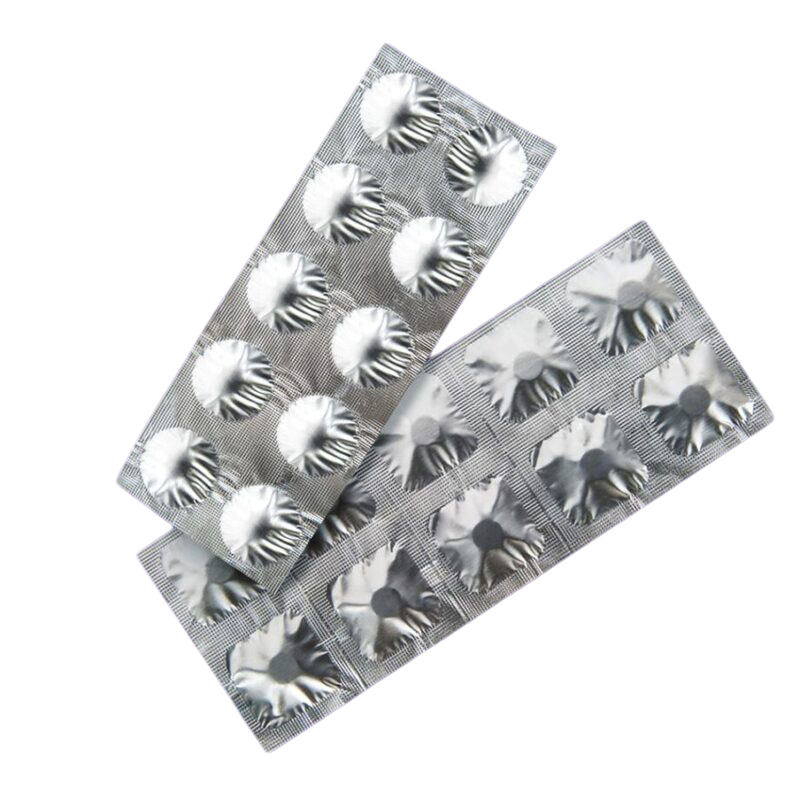
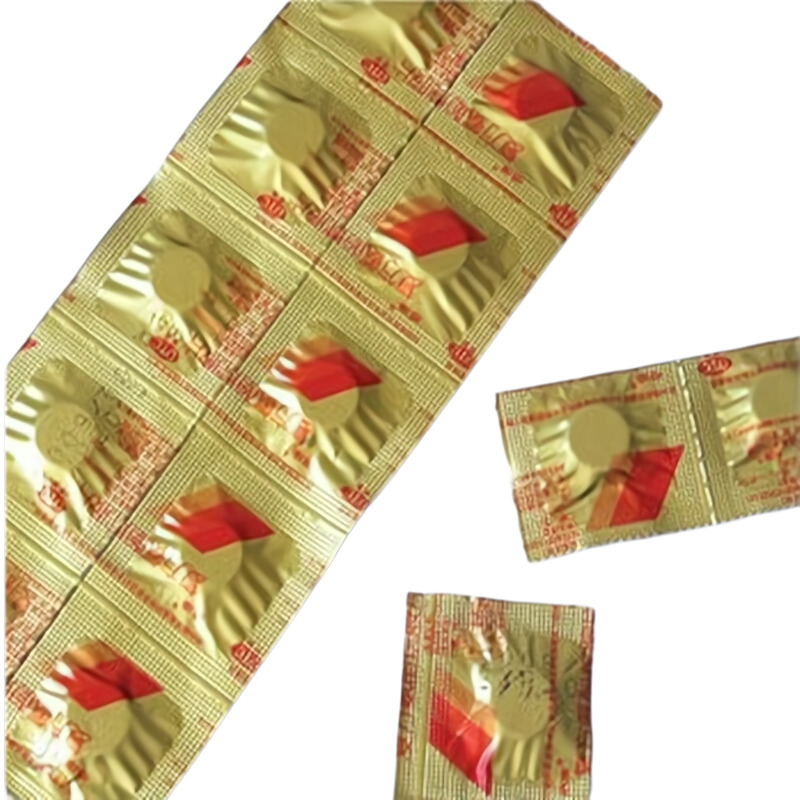
Blister packing for tablets, capsules and etc.
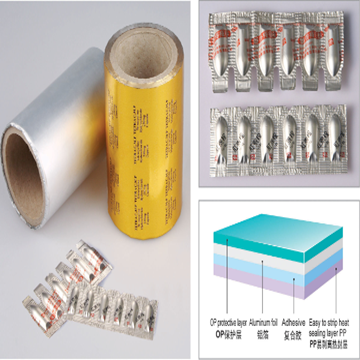
Structures:
OPA 25μ/ AL 47μ / PVC 60μ
OPA 25μ/ AL 60μ / PVC 60μ
OPA 25μ/ AL 47μ / PVC 100μ
*The following content is generated by AI and is for reference only.
ALU-ALU blister packing foil represents the gold standard in pharmaceutical packaging, offering superior protection for sensitive medications. This material consists of two layers of aluminum foil laminated together with a sealing compound, creating an impenetrable barrier against moisture, oxygen, light, and microbial contamination. Unlike conventional PVC or PVDC blisters that rely on a separate lidding foil, ALU-ALU utilizes a cold-forming process where the top layer is mechanically shaped to create the cavity without heat, ensuring maximum integrity for highly hygroscopic or unstable drugs.
The primary application of ALU-ALU foils is for high-value and critical dosage forms, including potent antibiotics, biologics, and moisture-sensitive tablets or capsules. It is extensively used in hospital settings and for export markets where long-term stability and strict regulatory compliance are mandatory. The dual-layer structure guarantees that the product remains dry and effective throughout its entire shelf life, significantly reducing the risk of degradation caused by environmental factors.
When handling ALU-ALU blister packs, several precautions must be observed. First, avoid puncturing or creasing the foil before use, as even microscopic breaches can compromise the hermetic seal and allow moisture ingress. During storage, keep the packaging in a cool, dry environment away from direct sunlight to maintain structural integrity. For end-users, do not attempt to re-seal opened blisters; once the protective barrier is broken, the contents are exposed to potential contaminants. Furthermore, recycling this material requires specialized industrial facilities due to the complex lamination of different metal grades and polymers, making it unsuitable for standard household recycling streams. Proper disposal ensures environmental safety while maintaining the high standards of pharmaceutical quality control associated with this advanced packaging solution.

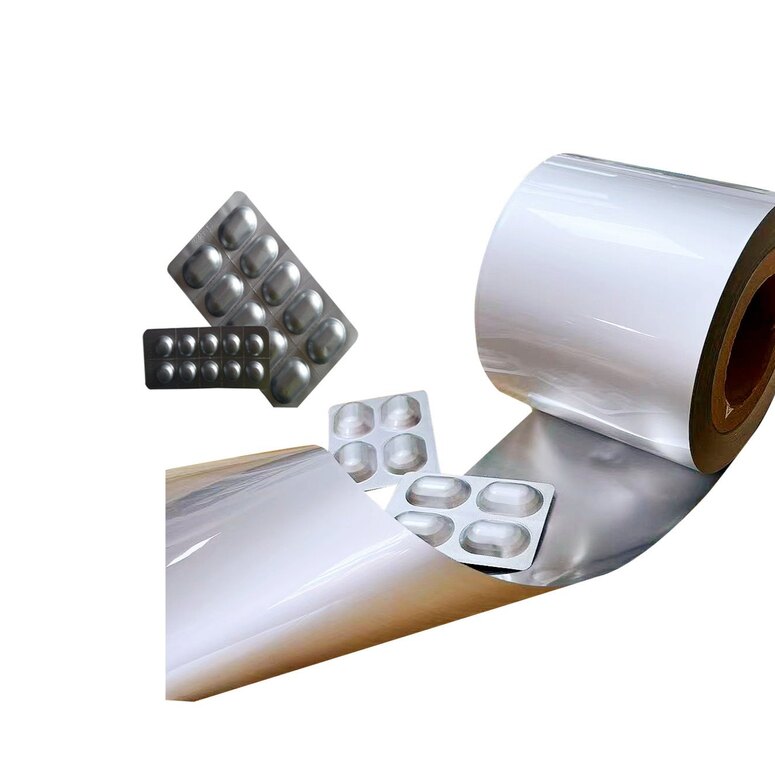




 (All Rights Reserved)