Product Description
GMP & DMF available.
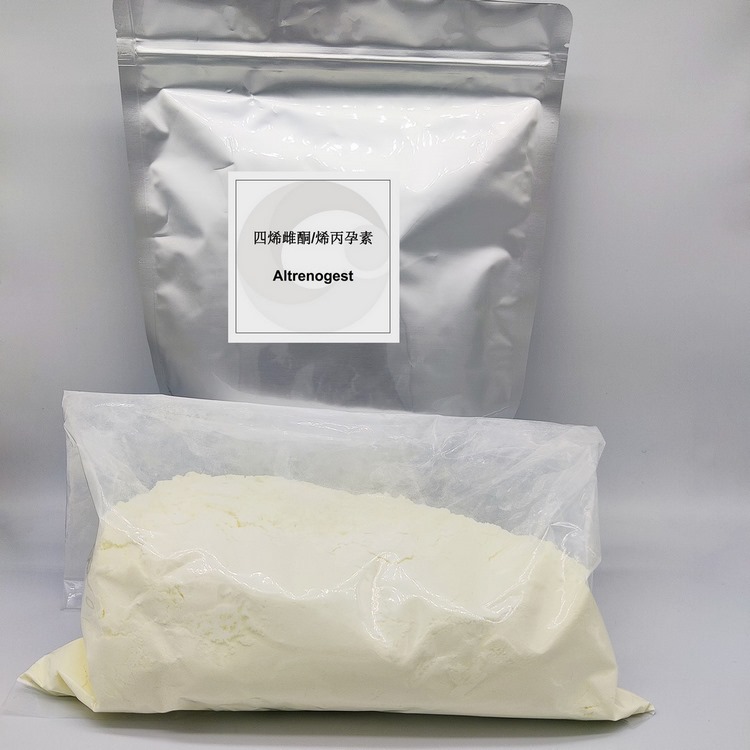
Altrenogest Equine is a synthetic progestin hormone that serves as the active pharmaceutical ingredient (API) in various medications. It is primarily used in veterinary medicine, particularly in equine practice.
AI Product Description
*The following content is generated by AI and is for reference only.
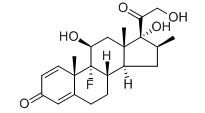
Altrenogest, chemically known as 6-methyl-17-acetylloxyprogesterone, is a synthetic progestin widely utilized in veterinary medicine, particularly for the management of estrus cycles in swine and equines. Its molecular formula is C24H32O3, with a corresponding CAS registry number of 509-42-6. Structurally, it acts as a potent agonist at progesterone receptors, effectively suppressing the release of luteinizing hormone (LH) from the pituitary gland. This mechanism inhibits ovulation and maintains diestrus, preventing the onset of estrus behavior in mares and sows.
In the swine industry, Altrenogest is extensively employed to synchronize estrus in gilts and sows. By administering the compound daily via feed or oral drench, producers can control the timing of breeding, ensuring that groups of animals come into heat simultaneously. This synchronization facilitates efficient artificial insemination programs, optimizes labor allocation, and improves overall herd reproductive performance. The drug is typically administered for 14 to 18 days, after which withdrawal leads to a synchronized return to estrus within four to seven days.
For equine applications, Altrenogest serves as a critical tool for managing reproductive cycles in mares. It is frequently used to delay estrus during periods when breeding is not desired, such as during winter months or while preparing for specific racing seasons. Additionally, it aids in synchronizing estrus among mares destined for embryo transfer programs or timed artificial insestration protocols. The compound is available commercially under various trade names, including Regu-Mate, and is formulated primarily as an oral solution for ease of administration.
Safety profiles indicate that while generally well-tolerated, proper dosage adherence is essential to avoid potential side effects. Residue limits are strictly regulated in food-producing animals, although its primary use remains in non-food species like horses. As a versatile hormonal agent, Altrenogest continues to be a cornerstone in modern animal husbandry, enabling precise reproductive management and enhancing productivity across the livestock sector.





 (All Rights Reserved)