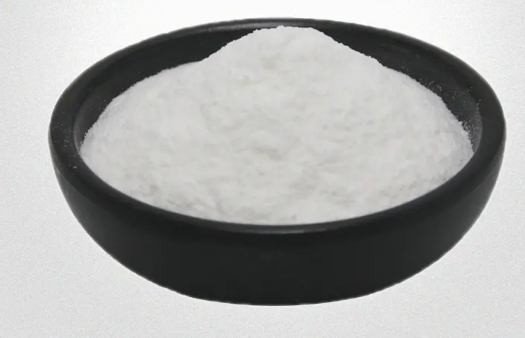
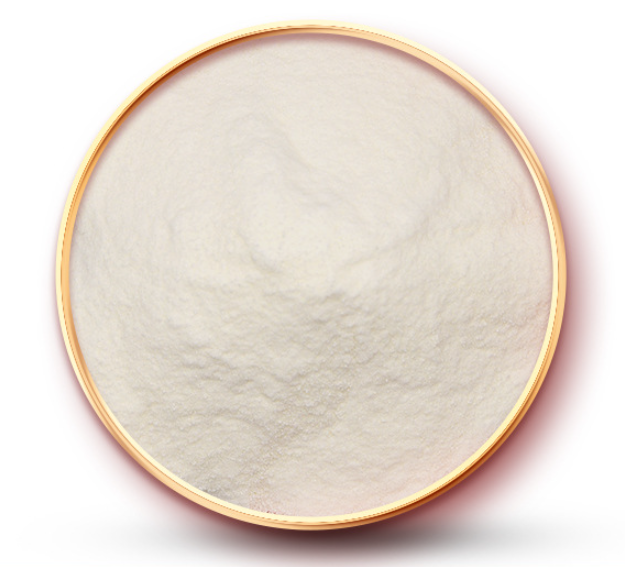
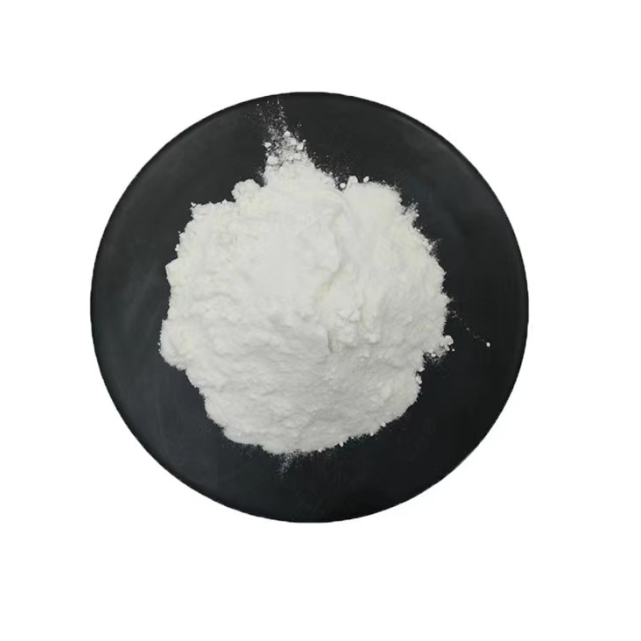
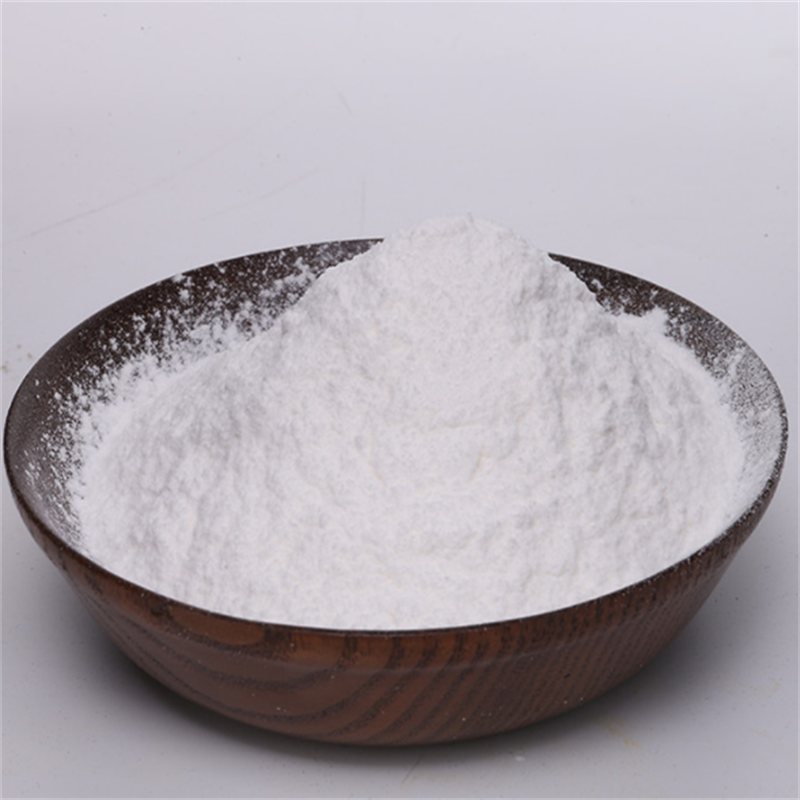
Product Description
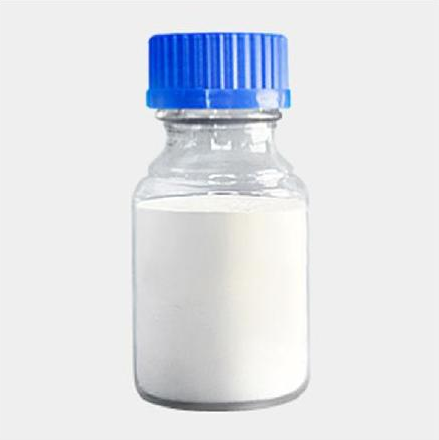
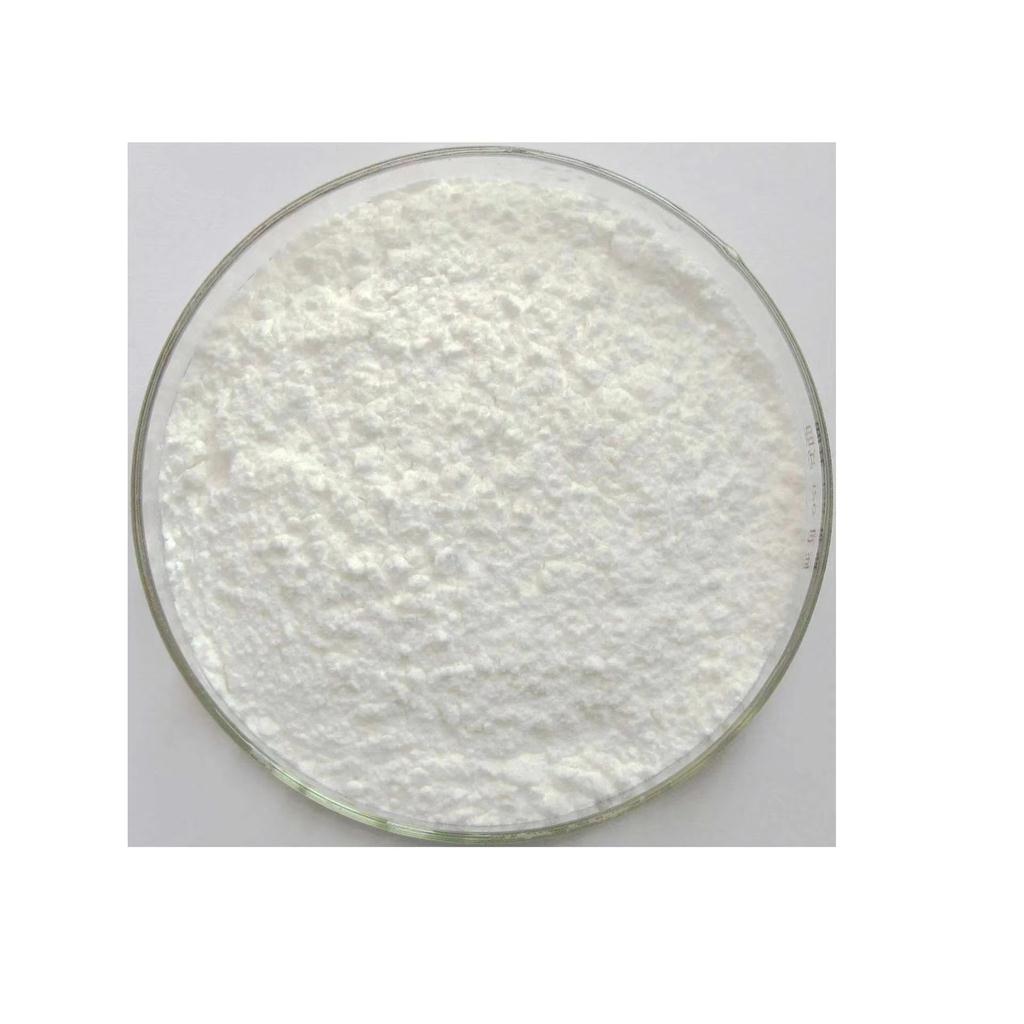
Aloin is a quality standard compound based on the Chinese Pharmacopoeia (CHP). It has a wide range of pharmacological activities, including anti-tumor, anti-inflammatory, anti-osteoporotic, organ-protective, anti-viral, anti-microbial, anti-parasitic, and laxative potentials.
AI Product Description
*The following content is generated by AI and is for reference only.
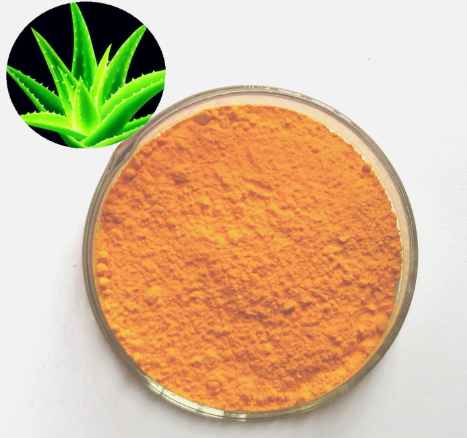
Aloin, chemically known as 1,8-dihydroxy-3-(hydroxymethyl)anthraquinone or aloe-emodin-8-O-beta-D-glucoside, is a naturally occurring anthraquinone glycoside primarily extracted from the latex of Aloe vera and other Aloe species. Its molecular formula is C21H22O9, with a precise molecular weight of 418.4 g/mol. The substance is uniquely identified by its CAS registry number, 509-73-5, which serves as its universal chemical identifier in scientific databases and regulatory frameworks globally. Structurally, aloin consists of an aglycone moiety called aloe-emodin linked to a glucose molecule at the C-8 position, a configuration that significantly influences its solubility and biological activity compared to its free aglycone form.
Historically and commercially, aloin has been most widely recognized for its potent laxative properties. As a stimulant cathartic, it acts by irritating the intestinal mucosa and increasing peristalsis, thereby accelerating bowel movements. This mechanism has led to its extensive use in over-the-counter digestive health supplements and herbal remedies designed to treat constipation. However, due to potential side effects such as abdominal cramping, electrolyte imbalances, and concerns regarding carcinogenicity at high doses, its application in commercial pharmaceuticals has become more regulated in recent decades. Many jurisdictions have restricted or banned its use in oral laxatives intended for long-term consumption, prompting a shift toward safer alternatives like psyllium or polyethylene glycol.
Beyond its traditional medicinal role, aloin is currently under investigation for broader pharmacological potentials. Research suggests它具有 anti-inflammatory, antimicrobial, and antioxidant activities, which could be valuable in dermatological formulations or natural preservatives. In the cosmetic industry, while less common than aloe gel itself, isolated aloin derivatives are sometimes explored for their skin-soothing capabilities, though strict concentration limits apply to ensure safety. Furthermore, in analytical chemistry, aloin serves as a reference standard for quality control testing in the Aloe vera industry to verify product purity and authenticity. Despite the controversies surrounding its laxative efficacy, aloin remains a significant compound in phytochemistry, representing a bridge between traditional herbal medicine and modern drug discovery efforts focused on bioactive plant metabolites.





 (All Rights Reserved)