Acridine yellow is disinfection antiseptic medicine, hydrochloric acid to pear-shaped, attached to the red cell body, horse barber, a small mind barber, a tidy mind bug, cattle double shoots barber, cows, sheep barber, insect barber, insect, etc all have effect, but Taylor worm and no slurry is invalid.
*The following content is generated by AI and is for reference only.
Acriflavine hydrochloride is a synthetic acridine dye and a potent antimicrobial agent widely recognized in medical and research applications. Its chemical identity is defined by the molecular formula C13H14ClN5O2, with a molecular weight of approximately 307.73 g/mol. The substance is cataloged under CAS Registry Number 61-98-7. Structurally, it represents the hydrochloride salt form of acriflavine, which enhances its solubility in water compared to the free base, making it ideal for aqueous formulations used in topical treatments.
Historically, Acriflavine hydrochloride gained prominence during World War I as an early antiseptic for treating infected wounds. It functions primarily as a DNA intercalating agent, binding between base pairs of microbial DNA and disrupting replication processes, thereby inhibiting bacterial growth. While its clinical use has diminished in favor of more selective antibiotics due to potential toxicity and mutagenicity concerns, it remains a valuable tool in scientific research. In laboratory settings, it is frequently employed to study DNA damage mechanisms, mutation induction, and cellular stress responses. Additionally, it serves as a vital reagent in microbiology for identifying specific bacterial strains and testing antimicrobial susceptibility profiles.
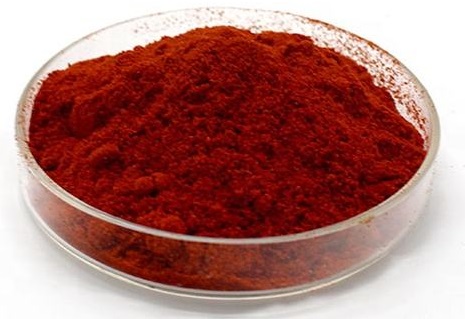
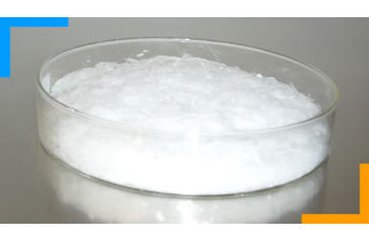
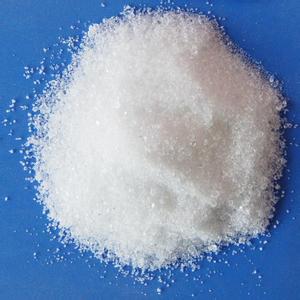
The compound typically appears as a yellow to orange crystalline powder or granules. It is soluble in water and ethanol but insoluble in non-polar organic solvents. Safety protocols dictate that handling should occur with appropriate personal protective equipment, as exposure may cause skin irritation or sensitization. Despite its reduced role in modern human therapeutics, Acriflavine hydrochloride continues to be a cornerstone compound in toxicological studies and genetic research. Its unique ability to interact with nucleic acids provides researchers with critical insights into molecular biology and pharmacology. Consequently, it remains listed in major chemical catalogs for academic and industrial procurement, ensuring its availability for ongoing investigations into antimicrobial resistance and DNA repair pathways. This enduring utility underscores its significance beyond historical context, maintaining relevance in contemporary biochemical analysis.





 (All Rights Reserved)


![8,16-Diazadispiro[6.1.6.2]heptadecan-17-one](https://eimg.pharmasources.com/image/product/20250403/ca91cba8b87e53fc879f8d8764873a40jpg)
![6,8-Dioxo-5,7-diazaspiro[3.4]octane-2-carboxylic acid](https://eimg.pharmasources.com/image/product/20250403/02effeb5a7639bc84ff1f3add3c0c64fjpg)
![8-Oxa-1,3-diazaspiro[4.5]decane-2,4-dione](https://eimg.pharmasources.com/image/product/20250403/60fa7223d5a34f24138486ceea0ffb15jpg)
