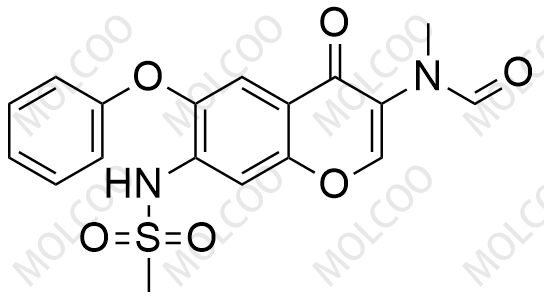
Product Description
Reference Standards &Impurity
AI Product Description
*The following content is generated by AI and is for reference only.
Acriflavine, chemically known as 3,6-diamino-10-methylacridinium chloride or a mixture of proflavine and related derivatives, is a synthetic acridine dye with significant historical and pharmaceutical relevance. Its molecular formula is typically represented as C14H15ClN4O2 for the dihydrochloride salt form, though variations exist depending on specific salt compositions. The primary CAS registry number associated with this compound is 87-59-8, which identifies the specific chemical entity in global databases. Originally developed in the early 20th century, Acriflavine emerged as one of the first effective antiseptic agents against bacterial infections, marking a pivotal moment in the history of chemotherapy before the advent of modern antibiotics like penicillin.
The substance functions primarily as a bacteriostatic agent, inhibiting bacterial growth by intercalating into microbial DNA and disrupting replication processes. This mechanism makes it particularly effective against Gram-positive bacteria, including Staphylococcus and Streptococcus species. Historically, it was widely utilized to treat wounds, burns, and skin infections, often applied topically in solution form. While its use has diminished in general human medicine due to potential toxicity and the availability of safer, more potent alternatives, Acriflavine remains valuable in specific medical and research contexts. It is currently employed in veterinary medicine for treating fungal and bacterial infections in fish and livestock, where it serves as a cost-effective disinfectant.
In laboratory settings, Acriflavine is frequently used as a fluorescent stain to visualize nucleic acids under ultraviolet light, aiding in microbiological identification. Furthermore, it acts as an inhibitor in genetic studies to prevent plasmid transfer between bacteria, making it a useful tool in molecular biology research. Despite its reduced role in mainstream clinical practice, the enduring legacy of Acriflavine highlights its importance in the evolution of antimicrobial therapy. Its unique chemical structure continues to inspire the development of new acridine-based drugs with improved safety profiles. Researchers continue to explore its derivatives for applications in cancer treatment and photodynamic therapy, demonstrating that this classic compound still holds potential in modern scientific innovation.












 (All Rights Reserved)