Product Description
Parameters:
Channel setting | 16 channels, Thousands of particle sizes can be customized and the accuracy is 0.1 μ m |
Test range | 1-500 μ m (Segment sensor require) |
Count range | 0 ~ 99999 particles |
Sampling volume | 0.2ml-1000ml |
Accuracy | <±0.5%(0.2ml~1000ml) |
Syring size | 10ml、25ml |
Flow rate | 2~100ml/min, setting by self |
Counting accuracy | <setting value±5% |
Channel resolution | >95% |
Relative standard deviation | RSD<1.5%(standard particle≥1000 /ml) |
Maximum Concentration | 0~18000 /ml |
Mixing speed: | 0 ~ 2000 R / min, adjustable in spinning type |
Work temperature | 10~40℃ |
Power | AC220Ⅴ±10%;50Hz;<80W |
Data output | RS232 |
Dimension | 390*350*460(mm) |
Weight | 20KG |
Software | With audit trail ,can operate in PC |
Operation system | Windows 7, windows 10 |
Futures:
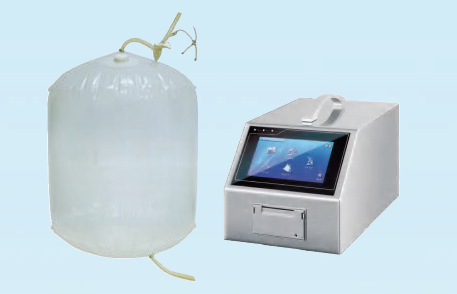
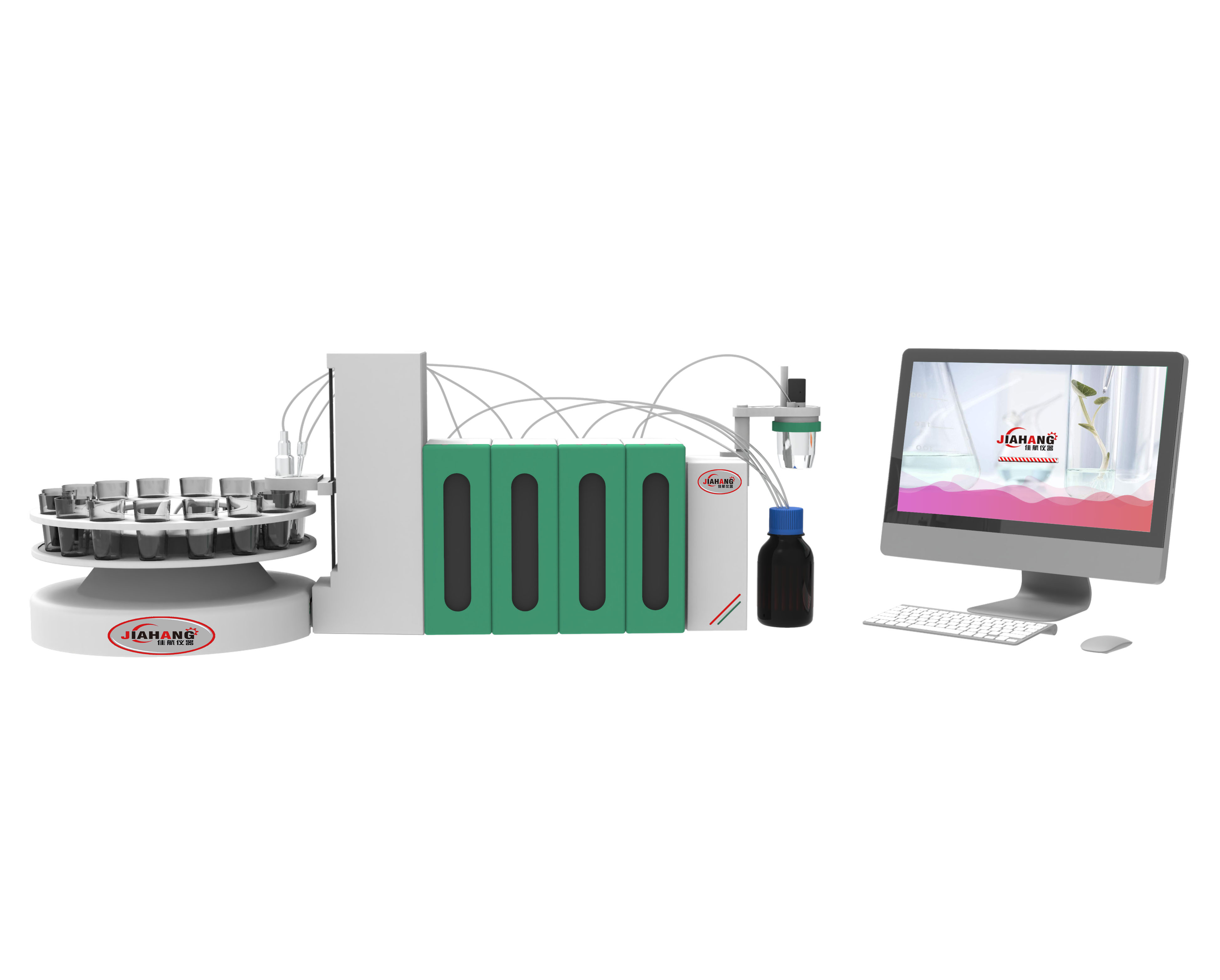
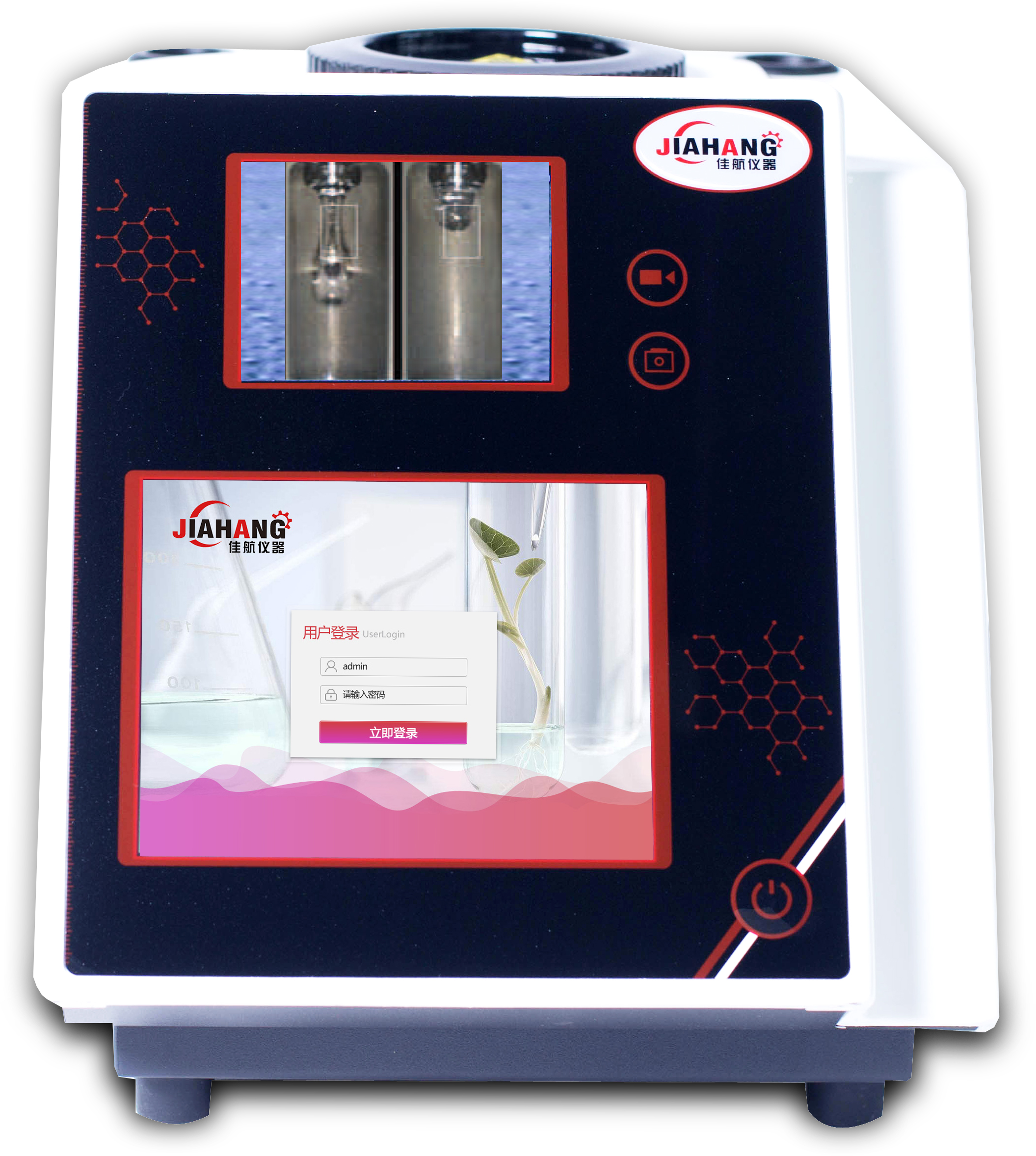
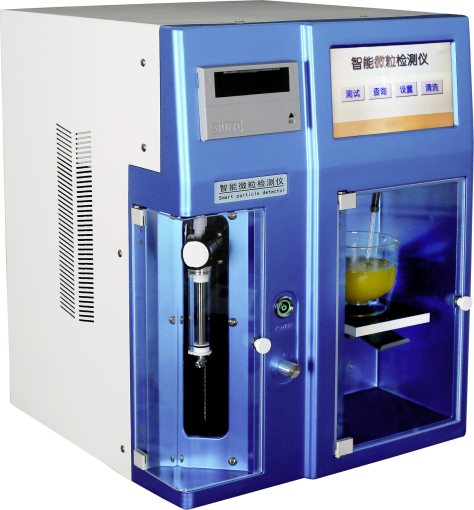
- NBC-36s particle detector can fully meet the design scheme of Chinese Pharmacopoeia (2020Edition) and the requirements of Pharmacopoeia of the United States, for the detection of insoluble particles in small volume injections. It can also be used for the detection of particles in large infusion and infusion equipment, the filtration effect of infusion terminal filter and other fields (such as petroleum, chemical industry, dye, food, etc.) of liquid particles testing.
- High performance imported laser light source and compensation circuit are adopted to ensure the test accuracy of colorless and colored samples, and the samples without electrolyte can be directly detected
- The imported high-pressure injection pump sampling system is adopted, which can be set according to the sample volume of the tested sample varieties, with high injection accuracy, meeting the detection requirements of high viscosity test articles, and not affected by geographical location and other factors, meeting the use requirements of different altitude areas.
- The injection slit and pipeline are made of imported 316L and PTFE materials, which can directly detect organic solvents, oil matrix and other special solutions.
- Different high-pressure injection systems can be replaced according to the demand of injection quantity.
- It is equipped with pharmacopoeia standard infusion test, and the test times can be set arbitrarily.
- There is a special test program for small volume injection (small injection), which can be injected according to the specifications of small injection, and automatically converted into the size and quantity of container particles after the test, which meets the requirements of Chinese Pharmacopoeia and international general requirements.
- It can detect the content of particles in anesthesia bag
- Detection of filtration rate of precision filter
- Detection of particulate pollution in GB8368-2005
- Detection of particulate pollution in GB8368-2018
- Detection of particle content of drug packaging materials
- Detection of particle content of drug packaging materials
- Full channel test (better than the calibration requirements for instruments in Pharmacopoeia)
- The screw type glass agitator is adopted, with uniform speed adjustable, and the mixing speed can be controlled at any time to ensure the uniformity of particles in the container. Improve data accuracy
- Color touch large screen operation: Chinese input, easy and fast operation, powerful function. Multi channel test data can be displayed at the same time.
Sample name storage function: the set sample name is automatically stored, which is convenient and quick to operate. It has automatic data processing and multiple printing modes to meet different printing needs. - It can be connected to the computer and has the function of data automatic transmission computer; it can be connected to the laboratory operation for management, and the special data analysis software is used for data storage and statistics
- Three level authority management
- 32 users operator management
- It has data view function, and can access historical data and operation behavior at any time
AI Product Description
*The following content is generated by AI and is for reference only.
Liquid particle counters are essential analytical instruments designed to detect, count, and size microscopic contaminants suspended in liquid media. These devices operate primarily on the principle of light obscuration or laser scattering, where a fluid sample passes through a sensing zone illuminated by a high-intensity light source. As particles interrupt or scatter the light beam, sensors record the event, converting the signal into precise particle counts and sizing data based on volume-equivalent diameters. This technology is critical for ensuring fluid purity across various high-stakes industries, including pharmaceuticals, biotechnology, semiconductor manufacturing, and aerospace hydraulics.
In the pharmaceutical sector, these counters verify the cleanliness of water for injection (WFI) and purified water systems, ensuring compliance with stringent regulatory standards such as USP <788> and EP 2.9.19. In semiconductor fabrication, they monitor ultra-pure water and chemical reagents to prevent micro-defects on silicon wafers that could compromise device performance. Similarly, in hydraulic and lubrication systems, early detection of wear debris allows for predictive maintenance, preventing catastrophic equipment failure.
Operating these instruments requires strict adherence to specific protocols to ensure data accuracy and instrument longevity. First, samples must be free from air bubbles, which can cause false readings; therefore, degassing procedures are often mandatory before analysis. Second, the flow cell and tubing must be meticulously cleaned between runs to prevent cross-contamination. Third, calibration using certified reference materials is necessary at regular intervals to maintain measurement traceability. Users should also avoid handling samples with bare hands to minimize the introduction of external particulates. Furthermore, the instrument environment should be controlled regarding temperature and vibration, as fluctuations can affect optical alignment and fluid dynamics. Regular maintenance of pumps and filters is equally vital to sustain optimal sensitivity. By following these guidelines, operators can generate reliable data that safeguards product quality, ensures regulatory compliance, and optimizes operational efficiency in critical liquid processing applications.





 (All Rights Reserved)