70-18-8 GSH Glutathione
Specification:
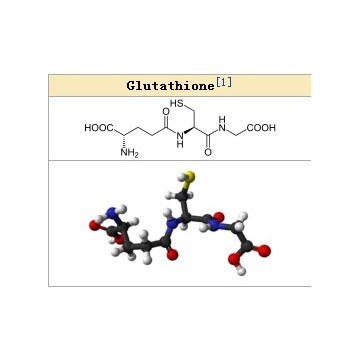
Glutathione (GSH) is a tripeptide with a gamma peptide linkage between the amine group of cysteine (which is attached by normal peptide linkage to a glycine) and the carboxyl group of the glutamate side-chain. It is anantioxidant, preventing damage to important cellular components caused by reactive oxygen species such as free radicals and peroxides.
Company Shows
*The following content is generated by AI and is for reference only.
70-18-8 GSH Glutathione, commonly known as reduced glutathione, is a vital tripeptide antioxidant naturally occurring in nearly all living cells. With the CAS number 70-18-8 and molecular formula C₁₀H₁₇N₃O₆S, this compound consists of three amino acids: gamma-glutamyl, cysteinyl, and glycyl. Its unique structure features a peptide bond between the carboxyl group of glutamate and the amino group of cysteine, rather than the typical alpha-carbon linkage, which confers stability against proteolytic enzymes. The thiol group on the cysteine residue is central to its biological function, enabling it to act as a potent reducing agent that neutralizes reactive oxygen species (ROS) and free radicals.
In the pharmaceutical industry, glutathione is widely utilized for its hepatoprotective properties, particularly in treating acetaminophen overdose by replenishing hepatic stores depleted during toxin metabolism. It also serves as an adjunct therapy in managing conditions involving oxidative stress, such as neurodegenerative disorders, cardiovascular diseases, and chronic fatigue syndrome. Beyond medicine, GSH plays a critical role in cosmetic formulations due to its skin-lightening effects; it inhibits tyrosinase activity, thereby reducing melanin production and promoting a more even skin tone. Furthermore, it is extensively used in the food and beverage sectors as a preservative to prevent oxidation and maintain product freshness. In research settings, it is indispensable for cell culture media to protect cells from oxidative damage during isolation and propagation. Despite its benefits, bioavailability remains a challenge when administered orally, prompting ongoing development of liposomal and intravenous delivery systems. As a cornerstone of cellular defense mechanisms, glutathione continues to be a subject of intense scientific inquiry regarding its potential in extending lifespan and improving overall metabolic health. Its versatility underscores its status as one of the most significant endogenous antioxidants in human physiology.





 (All Rights Reserved)