Product Description
142356-34-1(7-BROMOHEPTYL)CARBAMIC ACID TERT-BUTYL ESTER
AI Product Description
*The following content is generated by AI and is for reference only.
(7-Bromohexyl)carbamate, commonly known as tert-butyl (7-bromohexyl)carbamate, is a specialized organic intermediate widely utilized in pharmaceutical research and fine chemical synthesis. Its molecular formula is C10H20BrNO2, reflecting a structure that combines a lipophilic bromoalkyl chain with a carbamate protecting group. The compound is characterized by its CAS Registry Number, 136549-83-0, which serves as its unique identifier for inventory management and regulatory compliance across global chemical databases.
The primary utility of this reagent lies in its role as a building block for the construction of complex nitrogen-containing heterocycles and bioactive molecules. In medicinal chemistry laboratories, it is frequently employed to introduce specific alkyl chains into target structures via nucleophilic substitution reactions. The bromine atom at the terminal position acts as an excellent leaving group, facilitating coupling with various amines, thiols, or other nucleophiles to extend carbon skeletons. Simultaneously, the tert-butyl carbamate moiety functions as a robust amine protecting group, ensuring that the nitrogen center remains inert during subsequent synthetic steps before being selectively removed under acidic conditions when needed.
This dual functionality makes it indispensable for synthesizing potential drug candidates, particularly those involving long-chain aliphatic amines found in certain antihypertensive agents or neuroactive compounds. Researchers utilize it to modulate the pharmacokinetic properties of lead compounds, such as improving membrane permeability or metabolic stability. Furthermore, it serves as a precursor in the development of polymer additives and functional materials where controlled reactivity is required. Due to the presence of the halogen, it must be handled with standard safety precautions to avoid exposure, though it generally exhibits good thermal stability under storage conditions. As demand grows for novel therapeutic agents targeting specific biological pathways, derivatives like this continue to play a pivotal role in advancing discovery pipelines within the biotechnology and agrochemical sectors, offering chemists a reliable tool for precise molecular engineering.











 (All Rights Reserved)








![8,16-Diazadispiro[6.1.6.2]heptadecan-17-one](https://eimg.pharmasources.com/image/product/20250403/ca91cba8b87e53fc879f8d8764873a40jpg)
![6,8-Dioxo-5,7-diazaspiro[3.4]octane-2-carboxylic acid](https://eimg.pharmasources.com/image/product/20250403/02effeb5a7639bc84ff1f3add3c0c64fjpg)
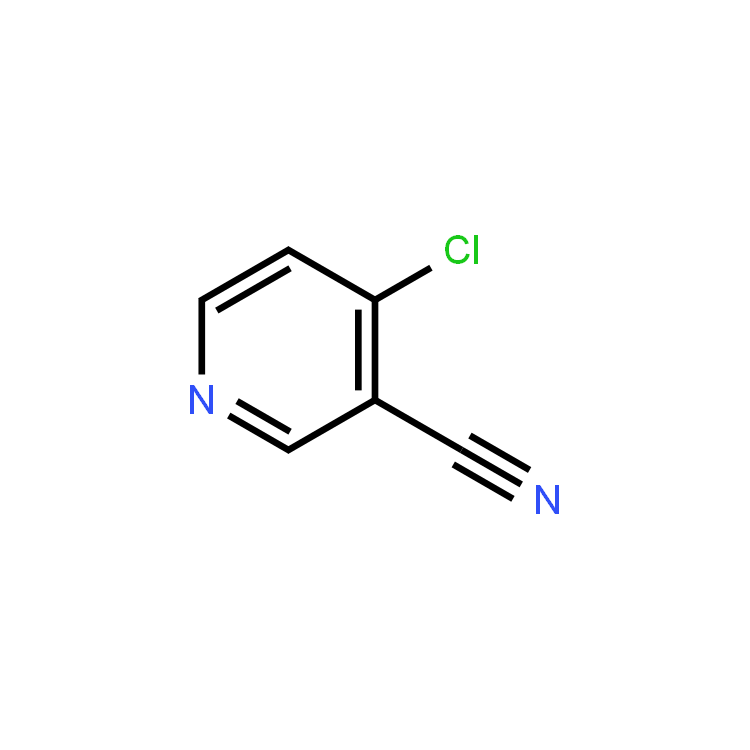
![8-Oxa-1,3-diazaspiro[4.5]decane-2,4-dione](https://eimg.pharmasources.com/image/product/20250403/60fa7223d5a34f24138486ceea0ffb15jpg)