Product Description
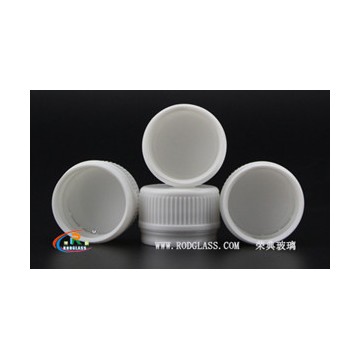
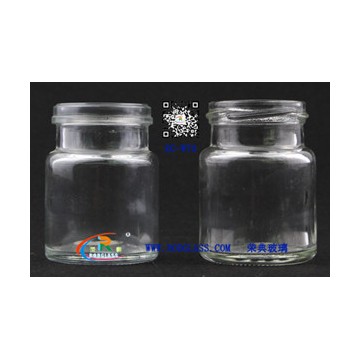
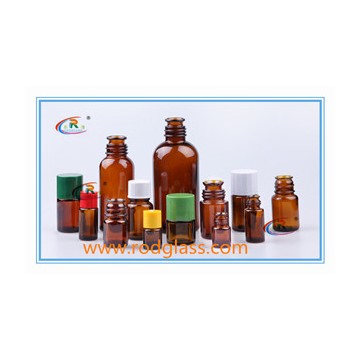
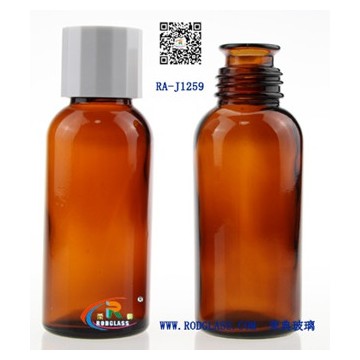
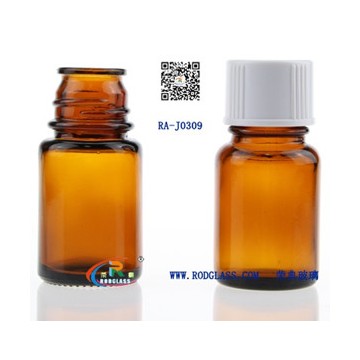
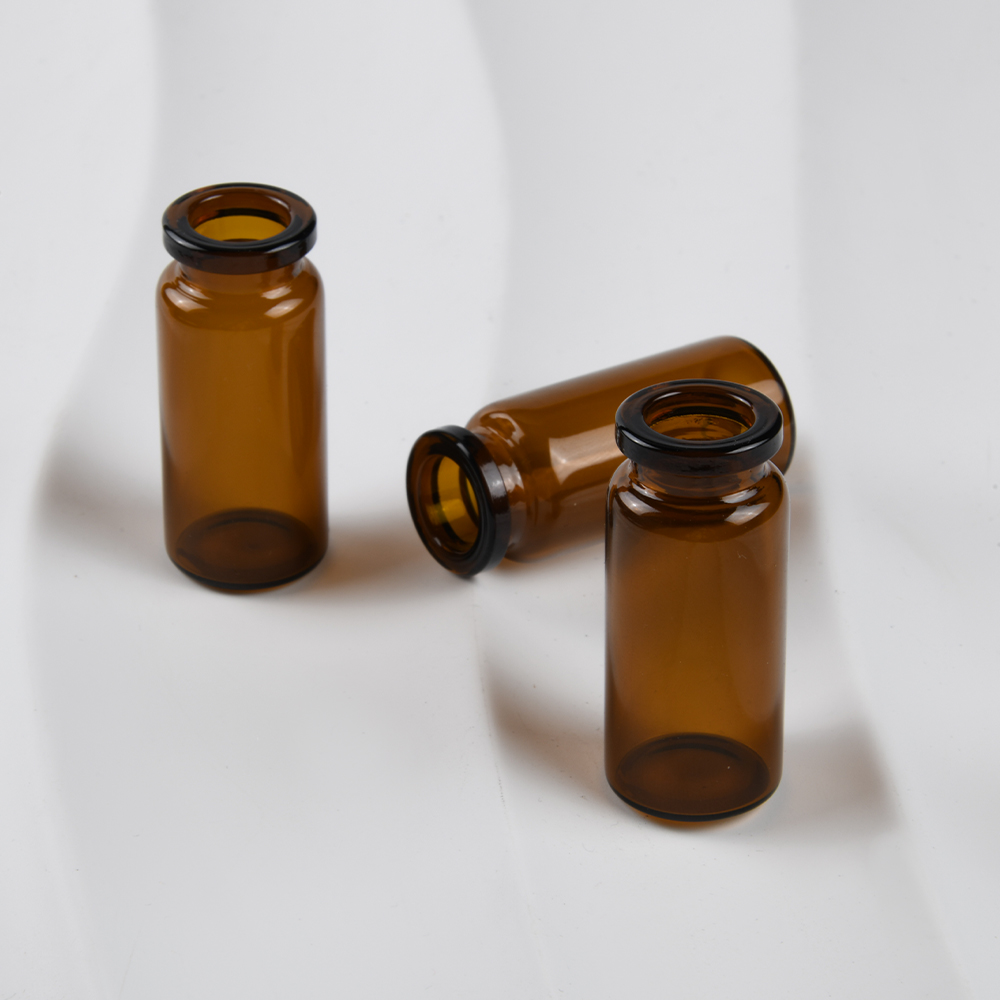
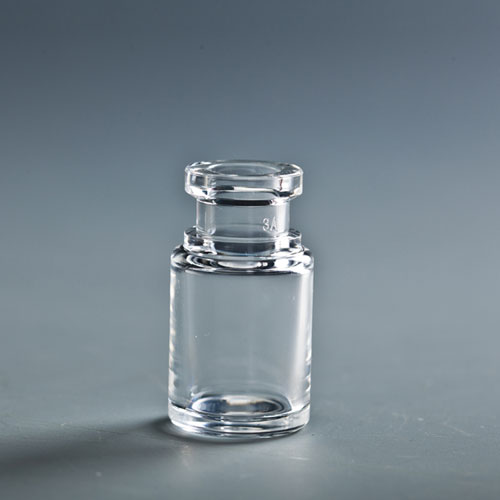
5ml amber chemical reagent glass bottle with Tamper Evidient caps PTFE/Teflon septa,
it’s professional to use the packing of liquid chemicals,good sealing and corrosion resistance,is a superior choice for chemical reagent packing.
Diameter : 22.3mm
Height :52mm
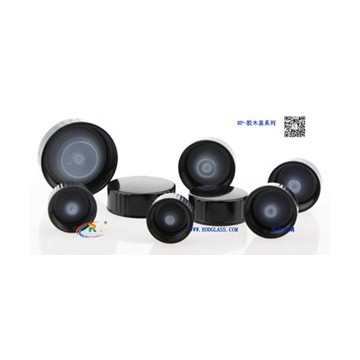
●Narrow mouth,accesory Tamper Evidient caps
●Capacity from 10ml-500ml
●Tamper Evidient caps color can be as customer request,and with logo too.
AI Product Description
*The following content is generated by AI and is for reference only.
The 5ml amber reagent glass bottle is a specialized laboratory container designed for the precise storage, handling, and dispensing of small volumes of light-sensitive liquid reagents. Crafted from high-quality borosilicate glass, these bottles offer superior chemical resistance against a wide range of acids, bases, and organic solvents, ensuring that the integrity of stored substances remains uncompromised. The defining feature of this vessel is its amber coloration, which effectively filters out harmful ultraviolet (UV) and visible light. This property is critical for preserving the stability of photosensitive compounds such as vitamins, pharmaceuticals, essential oils, and various chemical standards that might otherwise degrade, oxidize, or lose potency when exposed to ambient lighting.
Typically equipped with a secure screw cap featuring an integrated liner, often made of PTFE/silicone or polyethylene, these bottles provide an excellent seal to prevent evaporation, leakage, and contamination. The compact 5ml capacity makes them ideal for high-precision analytical work, sample aliquoting in chromatography, or storing expensive reagents where only minute quantities are required per experiment. Their standardized dimensions facilitate easy organization within laboratory racks and compatibility with automated pipetting systems.
When using 5ml amber reagent glass bottles, several safety precautions must be observed. First, always inspect the glass for micro-cracks or chips before use, as compromised containers can shatter under thermal stress or pressure changes. Second, ensure the cap is tightly sealed immediately after filling to maintain sample purity and prevent solvent loss. Third, while the glass is durable, it should be handled with care to avoid breakage; never subject the bottle to sudden temperature extremes unless specifically rated for such conditions. Finally, clearly label each bottle with the contents, concentration, date of preparation, and hazard warnings to ensure proper identification and safe disposal. Properly utilized, this versatile tool is indispensable for maintaining the quality and reliability of sensitive chemical analyses in research and industrial settings.






 (All Rights Reserved)