Product Description
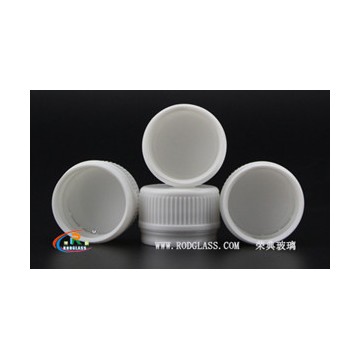
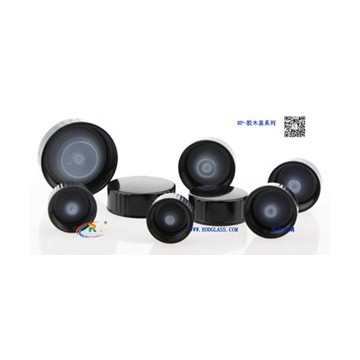
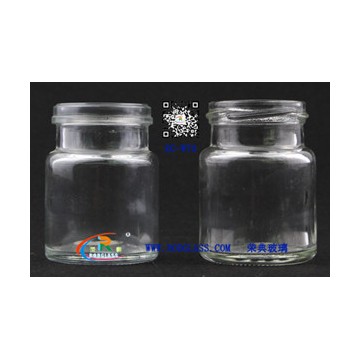
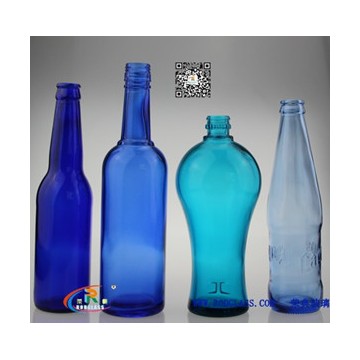
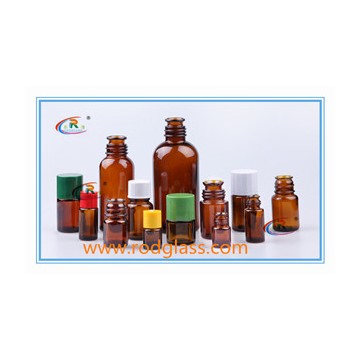
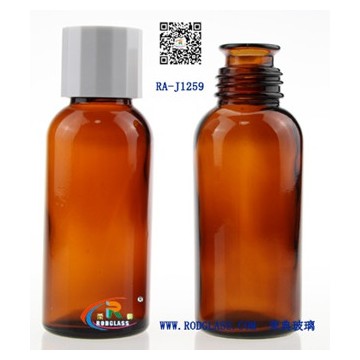
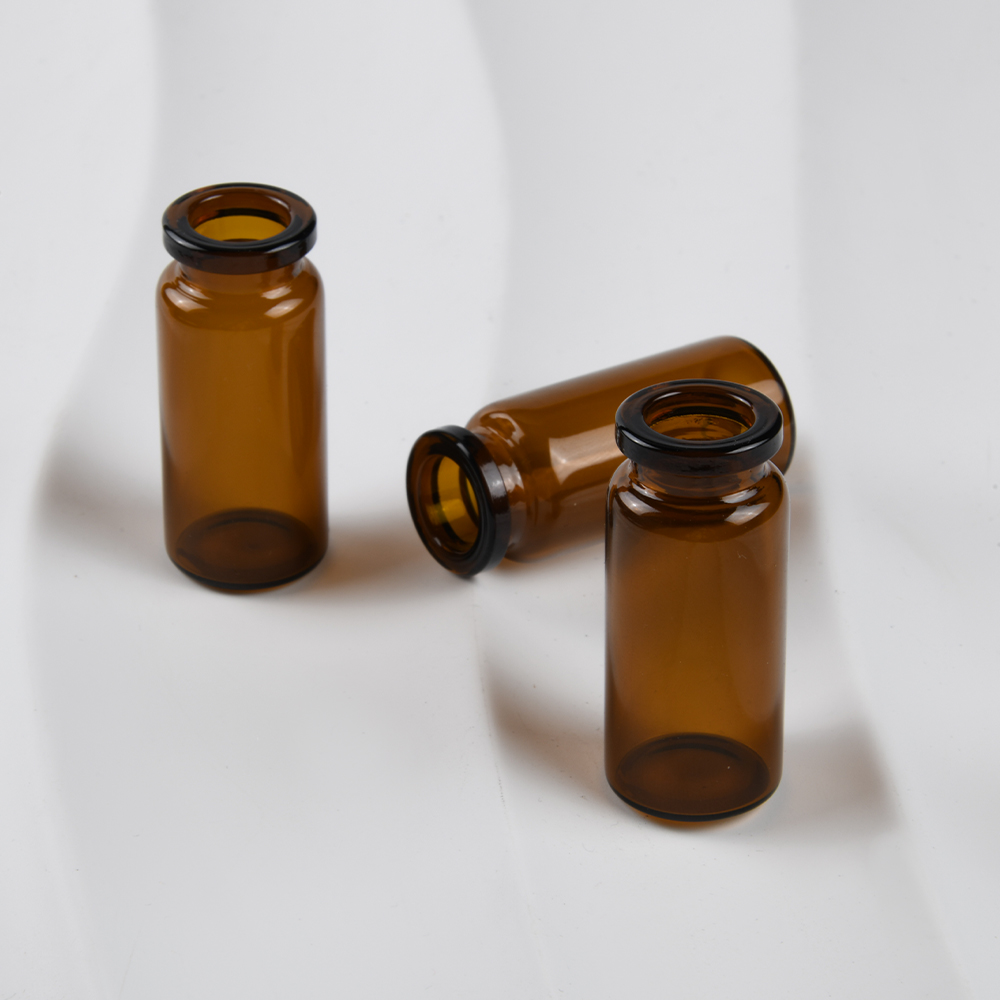
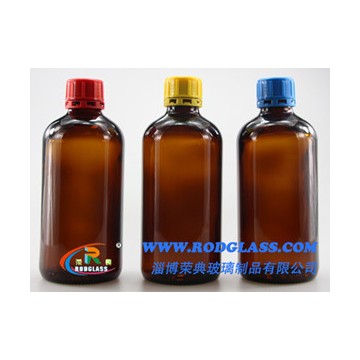
500ml amber reagent glass bottle with Tamper Evidient caps PTFE/Teflon septa,
it’s professional to use the packing of liquid chemicals,good sealing and corrosion resistance,is a superior choice for chemical reagent packing.
Diameter : 79.8mm
Height : 190mm
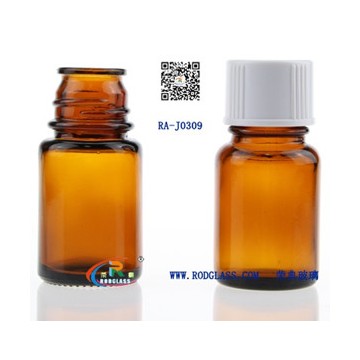
●Narrow mouth,accesory Tamper Evidient caps
●Capacity from 10ml-500ml
●Tamper Evidient caps color can be as customer request,and with logo too.
AI Product Description
*The following content is generated by AI and is for reference only.
The 500ml amber reagent glass bottle is a specialized laboratory container designed for the secure storage and handling of light-sensitive liquid chemicals, reagents, and biological samples. Crafted from high-quality borosilicate glass, these bottles offer exceptional thermal shock resistance and chemical inertness, ensuring that the contents remain uncontaminated by reactions with the vessel itself. The defining feature of this product is its amber coloration, which effectively filters out harmful ultraviolet (UV) and visible light wavelengths. This protective barrier is critical for preserving the stability of photosensitive substances such as vitamins, enzymes, certain pharmaceuticals, and organic solvents that might degrade, oxidize, or lose potency when exposed to ambient light.
Typically equipped with a standard ground glass joint or a screw cap with a PTFE-lined septum, the 500ml capacity strikes an ideal balance between storage volume and ease of handling in crowded laboratory benches. The smooth surface facilitates easy labeling, allowing researchers to clearly document the chemical name, concentration, date of preparation, and hazard warnings. These bottles are widely utilized in pharmaceutical research, analytical chemistry, environmental testing, and quality control laboratories where precision and sample integrity are paramount.
When using these containers, several safety precautions must be observed. First, always inspect the glass for chips or cracks before use, as damaged glass can lead to leakage or breakage under pressure. Ensure that the stopper fits tightly to prevent evaporation or contamination from airborne particles. When pouring volatile or corrosive liquids, work within a fume hood to avoid inhalation risks. Additionally, never expose the bottle to sudden temperature extremes unless specifically rated for it, although borosilicate glass generally handles heat well. Proper disposal is essential; do not pour hazardous residues down the drain without neutralization. Finally, store filled bottles away from direct sunlight sources, even though they are amber-colored, to maximize their shelf life and ensure the long-term reliability of experimental data.





 (All Rights Reserved)