Product Description
please call me , to know more
AI Product Description
*The following content is generated by AI and is for reference only.
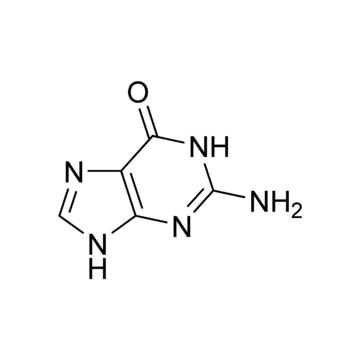
5-Methylcytosine (5-mC) is a modified nucleoside formed by the methylation of cytosine at the fifth carbon position. Primarily utilized in biochemical research, it serves as a critical tool for investigating epigenetic regulation and gene expression mechanisms. In biological systems, DNA methylation mediated by 5-mC plays a fundamental role in genomic imprinting, X-chromosome inactivation, and the suppression of transposable elements. Consequently, this compound is indispensable for scientists studying how environmental factors influence genetic activity without altering the underlying DNA sequence.
In laboratory settings, 5-methylcytosine is widely employed to synthesize methylated oligonucleotides for PCR amplification, cloning, and hybridization studies. Researchers use these synthetic molecules to mimic natural methylation patterns, allowing for the precise analysis of DNA-protein interactions and the development of diagnostic assays for diseases such as cancer, where aberrant methylation is a common biomarker. Furthermore, it is essential for validating the specificity of bisulfite sequencing techniques, which distinguish between methylated and unmethylated cytosines.
When handling 5-methylcytosine, strict safety protocols must be observed. Although generally considered stable under standard conditions, it should be stored at low temperatures, typically -20°C, in a desiccated environment to prevent degradation or hydrolysis. Direct contact with skin or eyes should be avoided; appropriate personal protective equipment, including lab coats, gloves, and safety goggles, is mandatory during manipulation. If accidental ingestion or inhalation occurs, immediate medical attention is required. The substance should be kept away from strong oxidizing agents and incompatible chemicals to prevent hazardous reactions. Proper disposal procedures must follow local institutional and regulatory guidelines regarding chemical waste. While not classified as highly toxic in all jurisdictions, its potential impact on cellular function necessitates careful handling to ensure researcher safety and data integrity. By adhering to these guidelines, scientists can effectively leverage 5-methylcytosine to advance our understanding of epigenetics and contribute to breakthroughs in molecular biology and medicine.





 (All Rights Reserved)