*The following content is generated by AI and is for reference only.
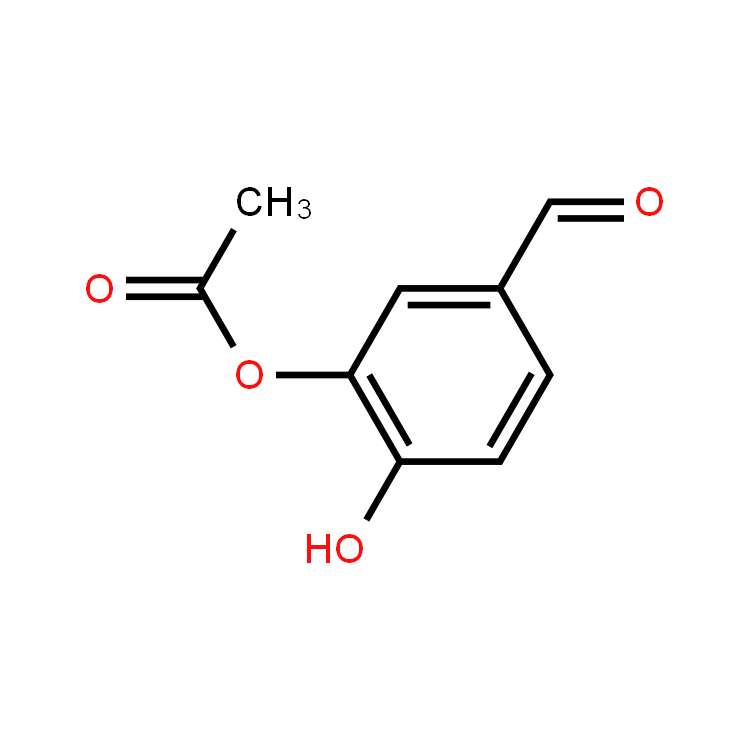
5-Formyl-2-hydroxyphenyl acetate is a specialized organic compound belonging to the class of substituted phenolic esters. Its molecular formula is C9H8O4, and it is uniquely identified by the CAS Registry Number 61703-63-3. This chemical structure features an acetyl group attached to the hydroxyl position of a benzene ring, alongside an aldehyde functional group at the fifth position relative to the ester linkage. The presence of both the formyl and acetate moieties confers distinct reactivity profiles, making this molecule a versatile intermediate in advanced synthetic chemistry.
In the pharmaceutical industry, 5-Formyl-2-hydroxyphenyl acetate serves as a critical building block for the synthesis of complex heterocyclic compounds and bioactive molecules. Researchers often utilize its reactive aldehyde group to construct various drug candidates through condensation reactions, such as Schiff base formation or Knoevenagel condensations. Furthermore, the compound finds application in materials science, particularly in the development of functional polymers and resin modifiers where controlled thermal stability and specific optical properties are required. Its unique substitution pattern allows for precise tuning of electronic and steric effects during downstream processing.
Safety protocols are essential when handling this substance, as with most organic intermediates. It should be stored in a cool, dry place away from strong oxidizing agents and incompatible bases to prevent degradation or hazardous reactions. Proper personal protective equipment, including gloves and eye protection, is mandatory during laboratory manipulation. While specific toxicity data may vary depending on purity and formulation, standard industrial hygiene practices must be strictly observed. As a niche chemical product, availability is often limited to specialized chemical suppliers catering to research institutions and high-end manufacturing sectors. Continuous advancements in green chemistry are driving efforts to optimize the synthesis pathways for this ester, aiming to reduce environmental impact while maintaining high yield and purity standards. Ultimately, 5-Formyl-2-hydroxyphenyl acetate remains an invaluable tool for chemists exploring novel molecular architectures and developing next-generation therapeutic agents.