Product Description
|
Purity(HPLC)
|
≥90%
|
|
Substitution(1H-NMR)
|
≥90%
|
|
Identity
|
Conforms to structure(1H-NMR)
|
|
Foreign material
|
None
|
|
Molecular weight (Mn)
|
20000±2000Da
|
|
Polydiispersity (GPC)
|
≤1.05
|
|
Appearance
|
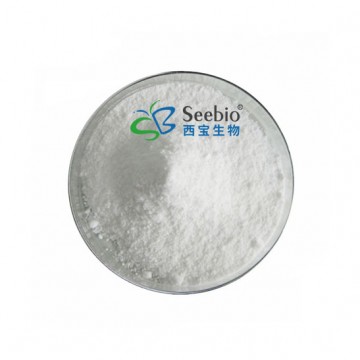
White or off-white powder
|
AI Product Description
*The following content is generated by AI and is for reference only.
4arm PEG Thiol, also known as 4-arm PEG SH, represents a sophisticated class of branched polyethylene glycol (PEG) derivatives designed for advanced bioconjugation and biomaterial applications. This molecule features a central core with four distinct arms radiating outward, each terminating in a reactive thiol (-SH) or sulfhydryl group. The molecular formula is generally expressed based on the average degree of polymerization per arm, often denoted as C_xH_yO_zS_4, where x, y, and z vary depending on the specific molecular weight selected by the manufacturer, such as 10k, 20k, or 40k Daltons. While a single universal CAS number does not exist due to the polydisperse nature of PEG, specific batches are assigned unique registry numbers to ensure traceability and purity standards.
The primary utility of 4-arm PEG Thiol lies in its ability to facilitate rapid and efficient crosslinking through Michael-type addition reactions with maleimide-functionalized molecules, proteins, peptides, or drugs. Unlike linear PEGs, the tetra-armed architecture offers superior steric bulk and solubility, significantly enhancing the stability and circulation half-life of conjugated therapeutics when used for PEGylation. This structural advantage makes it an indispensable tool in the development of long-circulating biologics, antibody-drug conjugates (ADCs), and targeted delivery systems. Furthermore, these reagents serve as critical building blocks for creating hydrogels and nanocarriers. By reacting with multi-maleimide precursors, 4-arm PEG Thiol forms three-dimensional networks that mimic the extracellular matrix, supporting cell encapsulation and tissue engineering scaffolds. Its high water solubility and biocompatibility minimize immunogenicity, ensuring safety in vivo. Researchers utilize this versatile platform to precisely tune drug release kinetics and improve the pharmacokinetic profiles of therapeutic agents, ultimately bridging the gap between synthetic chemistry and clinical efficacy in modern medicine.





 (All Rights Reserved)