*The following content is generated by AI and is for reference only.
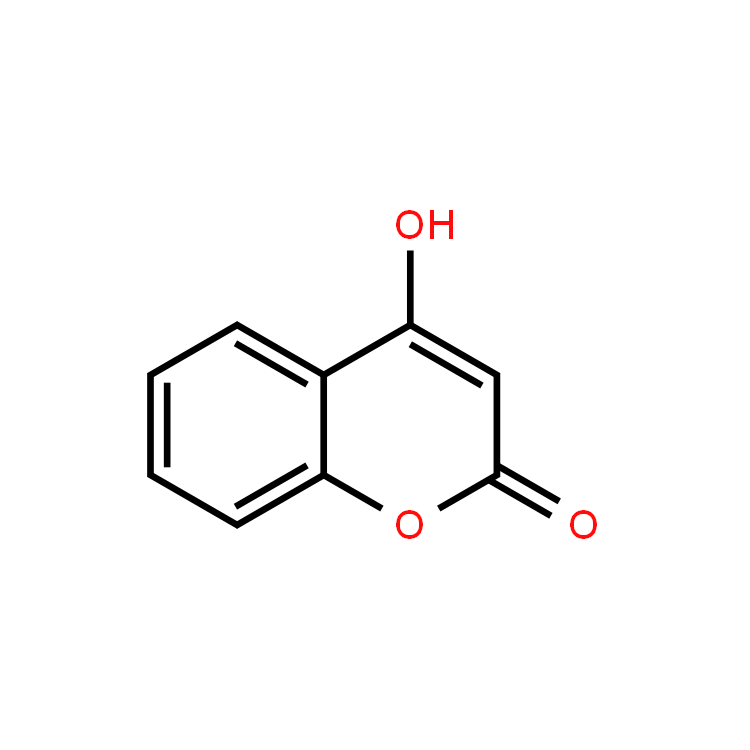
4-Hydroxycoumarin, chemically known as 4-hydroxy-2H-chromen-2-one, is a pivotal heterocyclic compound widely recognized in medicinal chemistry and agrochemical synthesis. With the molecular formula C9H6O3 and a precise molecular weight of 162.14 g/mol, this white to off-white crystalline powder possesses distinct physicochemical properties that make it an essential intermediate in various industrial applications. Its standard CAS Registry Number is 1074-38-6, a unique identifier used globally for safety data sheets and regulatory compliance.
The primary utility of 4-hydroxycoumarin lies in its role as a fundamental building block for synthesizing anticoagulant rodenticides. It serves as the core scaffold for second-generation warfarin derivatives, such as bromadiolone, difenacoum, and brodifacoum. These compounds are highly effective in pest control due to their potent inhibition of vitamin K epoxide reductase, which disrupts blood clotting mechanisms in rodents. Beyond veterinary and agricultural sectors, 4-hydroxycoumarin is integral to the pharmaceutical industry. It acts as a precursor for the development of novel therapeutic agents targeting cardiovascular diseases, including anti-inflammatory and antithrombotic drugs. Researchers frequently utilize this molecule in organic synthesis to construct complex coumarin-based scaffolds with enhanced biological activities.
From a manufacturing perspective, 4-hydroxycoumarin is typically produced via the condensation of phthalic anhydride with ethyl acetoacetate or similar carbonyl sources under acidic conditions. The resulting product requires strict quality control to ensure high purity, as impurities can significantly alter the efficacy of downstream derivatives. Safety protocols emphasize handling the substance with care, as it may cause skin irritation upon prolonged contact. Proper storage in cool, dry environments away from strong oxidizers is recommended to maintain stability. As global demand for efficient pest management solutions and advanced cardiovascular therapies continues to rise, the strategic importance of 4-hydroxycoumarin remains undiminished, securing its status as a cornerstone chemical in both agrochemical and pharmaceutical supply chains worldwide.