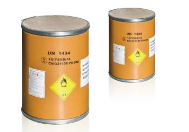
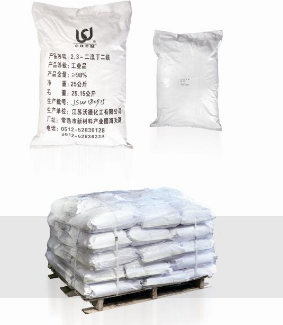
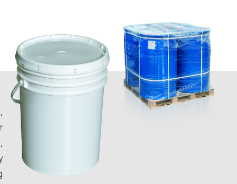
Category:
Active Pharmaceutical Ingredients
CAS NO:
1076-38-6
Standard:
In-house Standards,

| CAS:1076-38-6 MF: C9H6O3 |
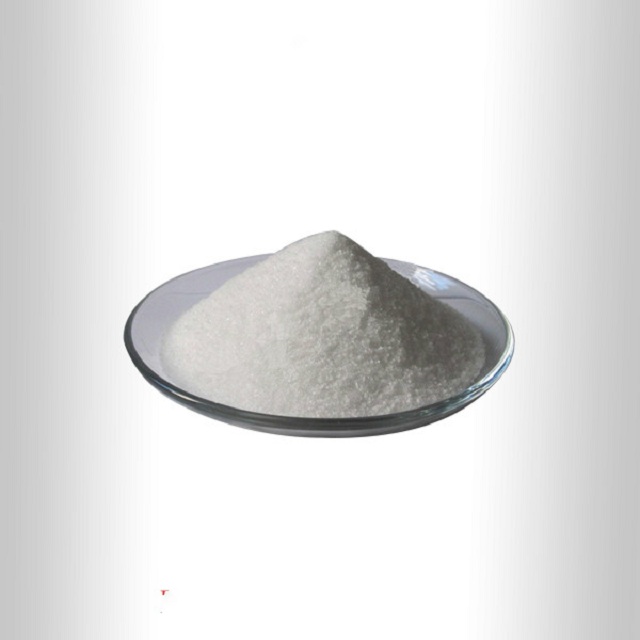
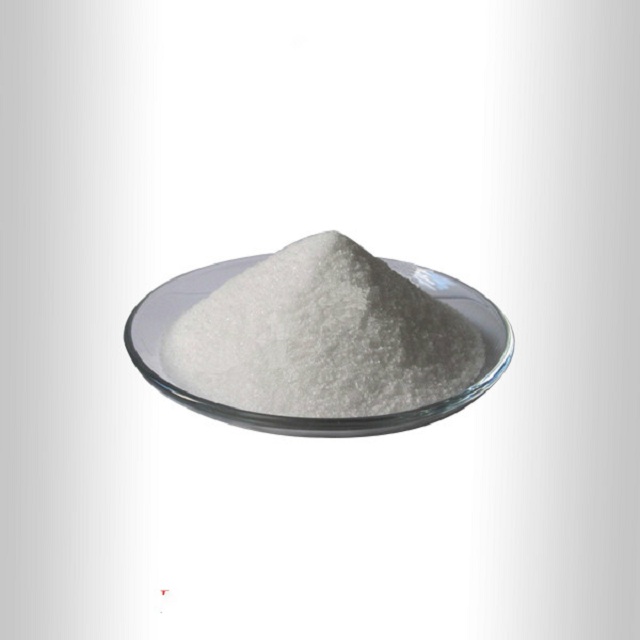
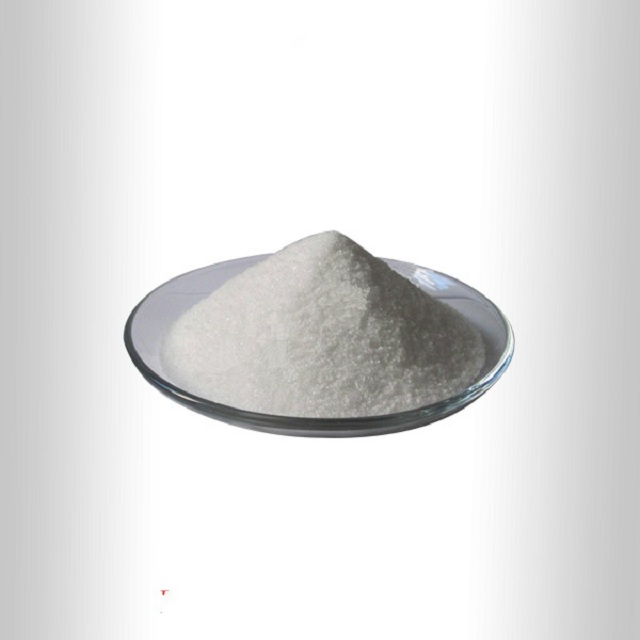
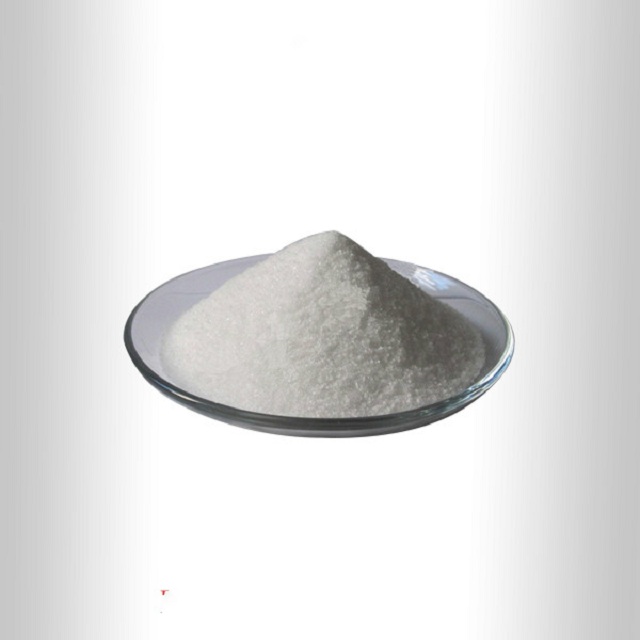
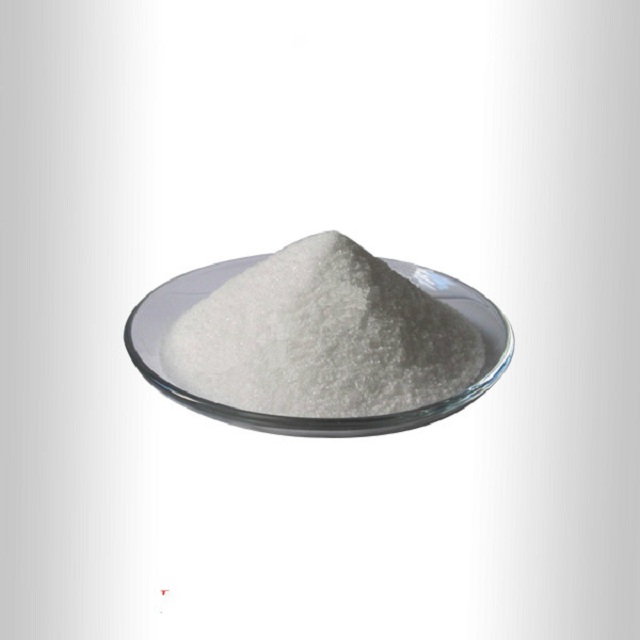
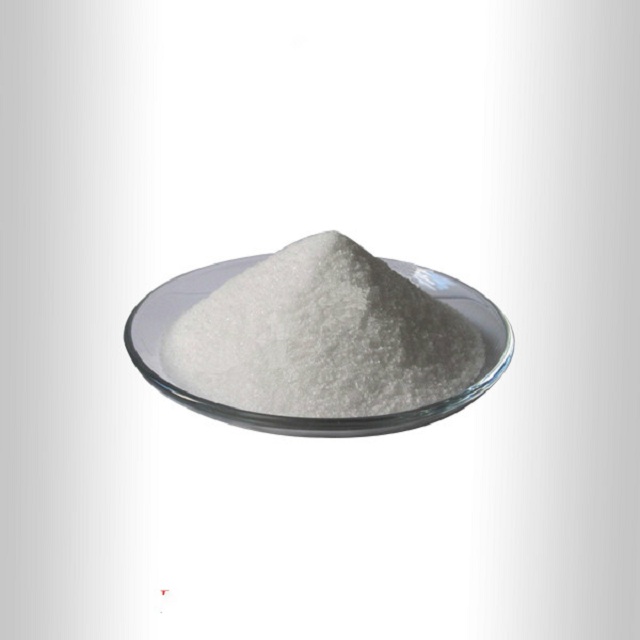
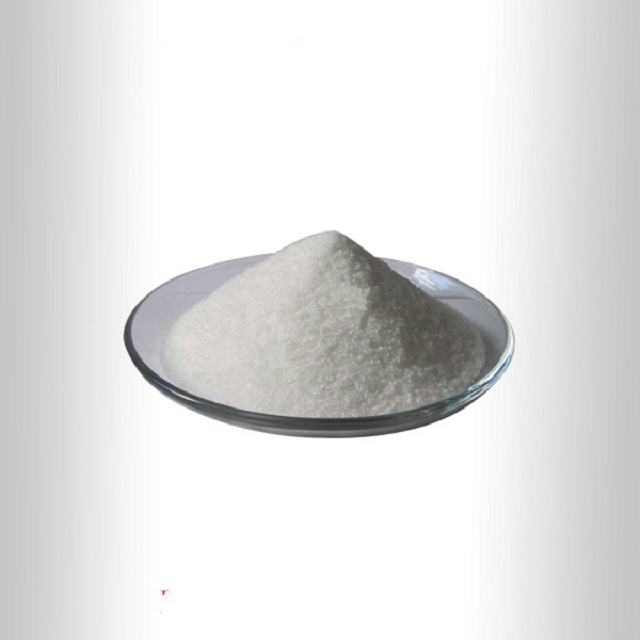
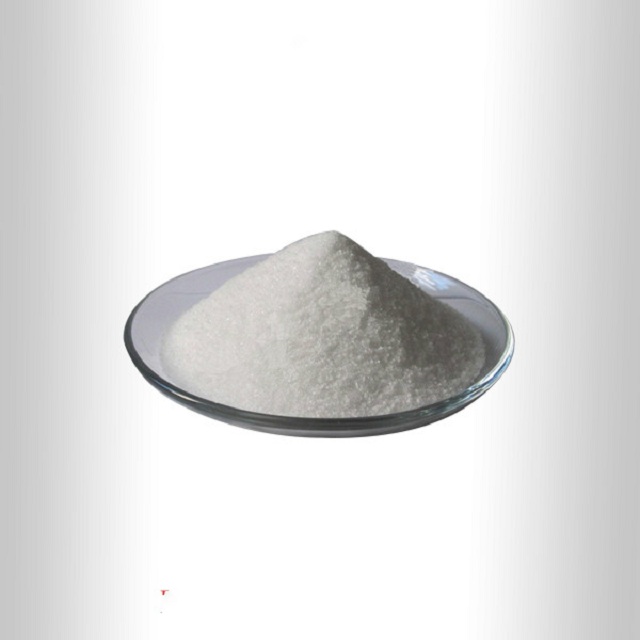
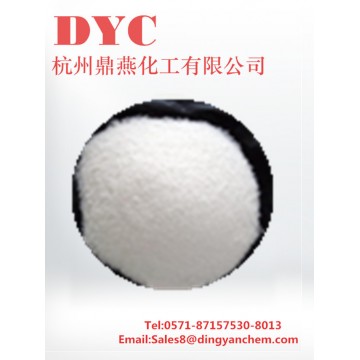
4 - hydroxyl coumarin physical properties: white needle crystal, melting point of 210 ~ 216 ℃. Industrial products for white or light yellow solid powder, melting point of 210 ~ 216 ℃. Industrial products for white or light yellow solid powder, melting point of 210 ~ 212 ℃. Slightly soluble in cold water, hot water, ethanol, ether and other organic solvents. There are many synthetic routes for 4-hydroxycoumarin, and the common production methods in industry include: methyl acetylsalicylate condensation under alkaline catalyst condition; Acetoacetate reacts with acetylsalicylchloride and condenses.
Physical properties: white needle crystal, melting point of 210 ~ 216 ℃. Industrial products for white or light yellow solid powder, melting point of 210 ~ 216 ℃. Industrial products for white or light yellow solid powder, melting point of 210 ~ 212 ℃. Slightly soluble in cold water, hot water, ethanol, ether and other organic solvents. There are many synthetic routes for 4-hydroxycoumarin, and the common production methods in industry include: methyl acetylsalicylate condensation under alkaline catalyst condition; Acetoacetate reacts with acetylsalicylchloride and condenses.
Use: this product is a pharmaceutical intermediate, used in the production of anticoagulant drugs. These 4-hydroxycoumarin derivatives are antagonists of vitamin K, an oral anticoagulant. In addition, 4-hydroxycoumarin is also the intermediate of some rodenticide, which is of great research value in the development of anticancer drugs. 4-hydroxy coumarin is also a kind of spice. Coumarins are widely distributed in the plant kingdom. It is mainly used for the synthesis of antithrombotic drugs and 4-hydroxy coumarin type anticoagulant rodenticide.









 (All Rights Reserved) (All Rights Reserved)