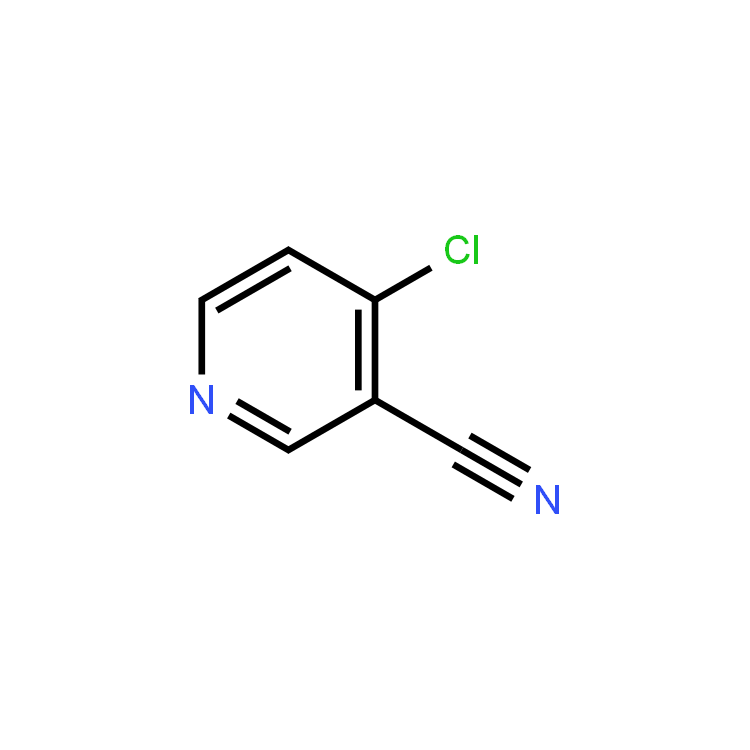
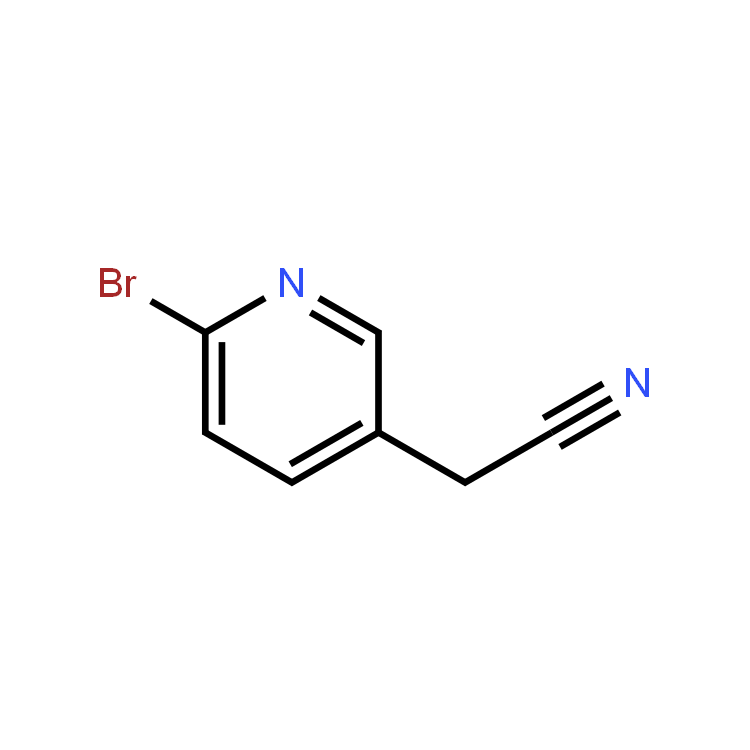
Product Description
Boiling Point:215℃ (756 Torr)
Density:1.176±0.06 g/cm3 (20 ºC 760 Torr)
Index of refraction:1.5400 to 1.5440
Flash Point:79.5±21.8℃
pKa:4.60±0.10(Predicted)
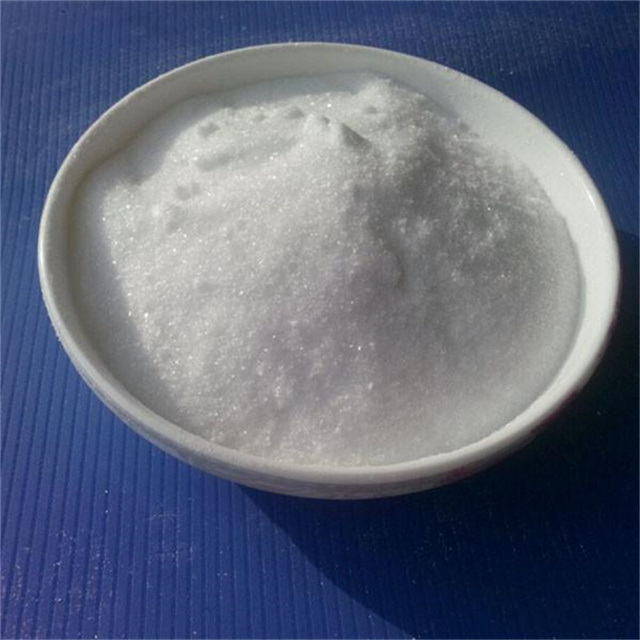
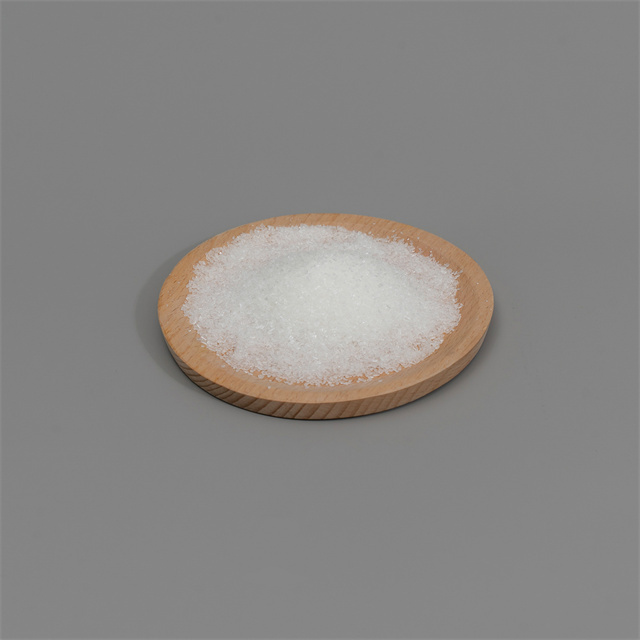
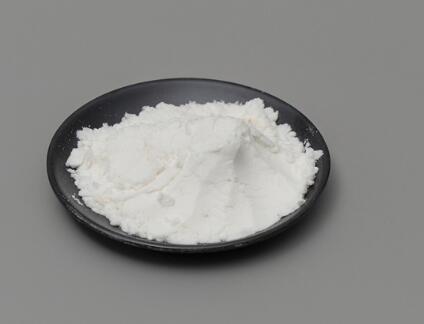
Pattern:Solid
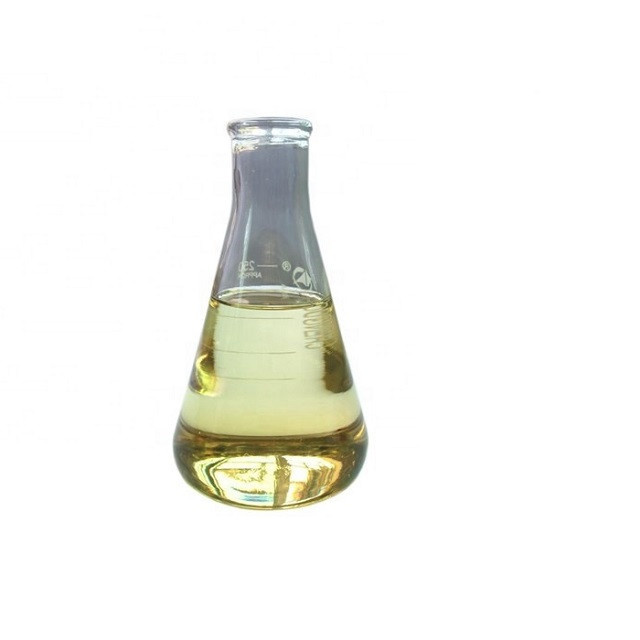
Colour:Colorless to brown
AI Product Description
*The following content is generated by AI and is for reference only.
4-Fluoro-2-methoxyaniline, identified by the CAS Registry Number 450-91-9, is a versatile aromatic amine derivative widely utilized in organic synthesis and pharmaceutical research. Its molecular formula is C7H8FNO, featuring a benzene ring substituted with a methoxy group at the ortho position relative to the amino group and a fluorine atom at the para position. This specific substitution pattern imparts unique electronic and steric properties, making it an invaluable building block for the development of complex heterocyclic compounds and bioactive molecules.
The compound is frequently employed as a key intermediate in the manufacture of agrochemicals, including herbicides and fungicides, where its structural integrity enhances biological activity against target pests. In the pharmaceutical sector, 4-fluoro-2-methoxyaniline serves as a crucial precursor for synthesizing various kinase inhibitors, antihypertensive agents, and central nervous system drugs. The presence of the fluorine atom often improves metabolic stability and lipophilicity, while the methoxy group can modulate solubility and receptor binding affinity. Additionally, this chemical finds applications in the production of dyes, pigments, and advanced materials used in polymer chemistry and liquid crystal displays.
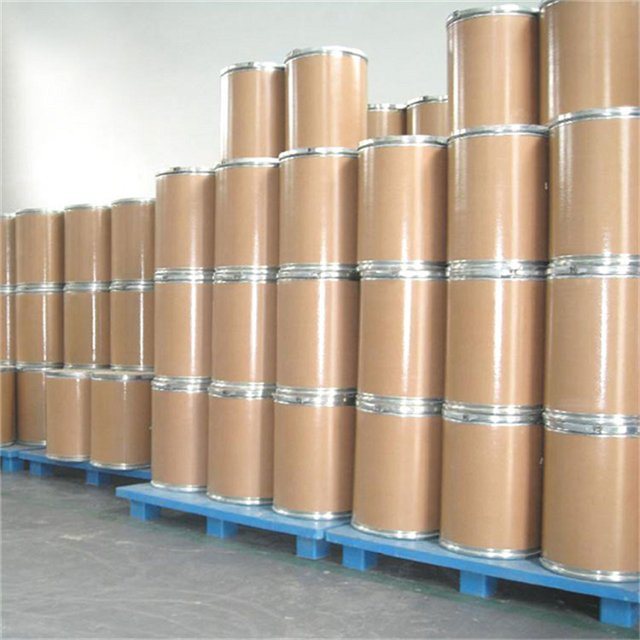
Commercially available in stock from numerous global suppliers, 4-fluoro-2-methoxyaniline is typically offered as a high-purity solid or liquid, depending on storage conditions and supplier specifications. It is essential for researchers and industrial chemists to handle this substance with appropriate safety precautions, as aromatic amines may exhibit toxicity upon ingestion, inhalation, or skin contact. Proper personal protective equipment, including gloves and goggles, along with operation in a well-ventilated fume hood, is mandatory during laboratory procedures. The availability of this reagent supports rapid prototyping in drug discovery pipelines and facilitates large-scale manufacturing processes for specialty chemicals. Its role extends beyond simple synthesis, contributing significantly to the advancement of medicinal chemistry and material science innovations globally.





 (All Rights Reserved)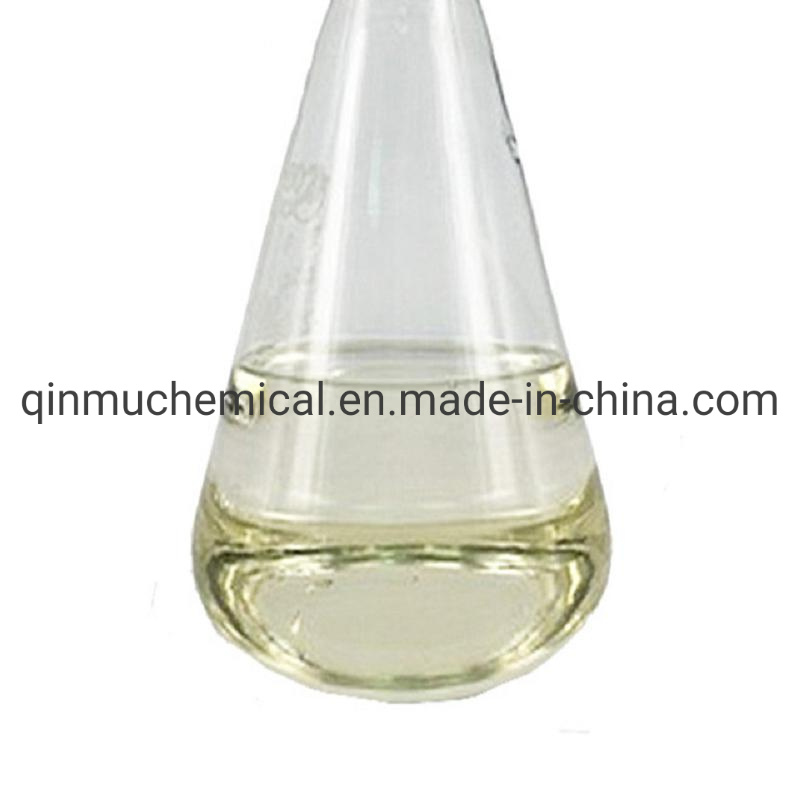
![8-Oxa-1,3-diazaspiro[4.5]decane-2,4-dione](https://eimg.pharmasources.com/image/product/20250403/60fa7223d5a34f24138486ceea0ffb15jpg)
![8,16-Diazadispiro[6.1.6.2]heptadecan-17-one](https://eimg.pharmasources.com/image/product/20250403/ca91cba8b87e53fc879f8d8764873a40jpg)
![6,8-Dioxo-5,7-diazaspiro[3.4]octane-2-carboxylic acid](https://eimg.pharmasources.com/image/product/20250403/02effeb5a7639bc84ff1f3add3c0c64fjpg)