Product Description
please call me , to know more
AI Product Description
*The following content is generated by AI and is for reference only.
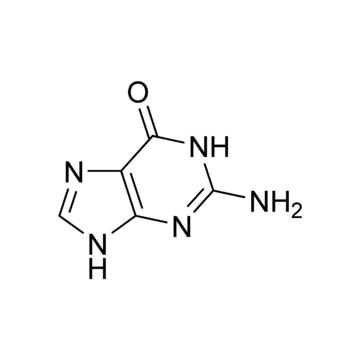
4-Chloro-7H-pyrrolo[2,3-d]pyrimidin-2-amine is a specialized heterocyclic compound widely utilized in medicinal chemistry and pharmaceutical research as a critical synthetic intermediate. Its molecular structure features a fused pyrrole-pyrimidine ring system with a reactive chloro substituent at the 4-position, making it an ideal scaffold for nucleophilic substitution reactions. This chemical property allows researchers to easily attach various amine groups, alkyl chains, or other functional moieties, facilitating the rapid generation of diverse analogs for drug discovery programs.
The primary application of this compound lies in the development of kinase inhibitors, particularly those targeting protein kinases involved in cancer pathways such as EGFR and BRAF. By modifying the amino group at the 2-position or replacing the chlorine atom, scientists can optimize binding affinity and selectivity against specific biological targets. Consequently, it serves as a foundational building block for creating novel therapeutic agents aimed at treating malignancies and other proliferative disorders. Additionally, its structural similarity to known bioactive purine derivatives makes it valuable for studying enzyme mechanisms and receptor interactions in biochemical assays.
Handling this substance requires strict adherence to safety protocols due to its potential toxicity and reactivity. It should be regarded as a hazardous material that may cause skin irritation, eye damage, or respiratory sensitization upon exposure. Personnel must work within a certified fume hood while wearing appropriate personal protective equipment, including nitrile gloves, lab coats, and safety goggles. Storage conditions are crucial; the compound should be kept in a cool, dry, and well-ventilated area, sealed tightly in moisture-proof containers to prevent hydrolysis or degradation. Avoid contact with strong oxidizing agents and incompatible chemicals. In case of accidental ingestion, inhalation, or skin contact, immediate medical attention is required. Proper waste disposal must follow local environmental regulations to ensure ecological safety. While not currently a commercial bulk commodity, its role in advancing small-molecule drug design remains indispensable for academic institutions and biopharmaceutical companies engaged in early-stage research.

![4-Chloro-7H-pyrrolo[2,3-d]pyrimidin-2-amine](https://eimg.pharmasources.com/img_Cphi_en/Product/2016_12/Mimg_1612080313543166.jpg)



 (All Rights Reserved)