*The following content is generated by AI and is for reference only.
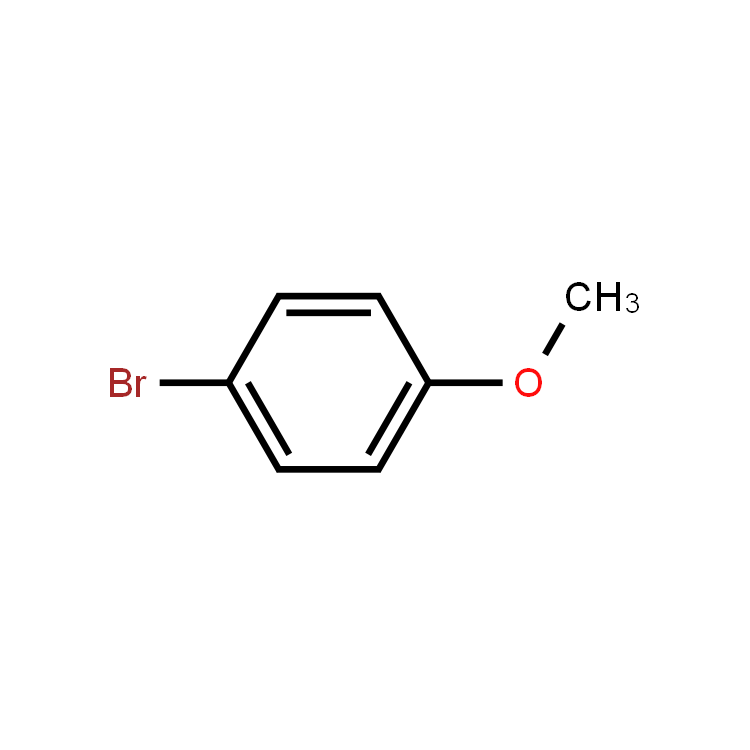
4-Bromoanisole, chemically known as 1-bromo-4-methoxybenzene, is a vital aromatic intermediate widely utilized in the pharmaceutical and agrochemical industries. With the molecular formula C7H7BrO and a CAS Registry Number of 99-60-5, this compound features a benzene ring substituted with both a methoxy group and a bromine atom at para positions. Its distinct chemical structure endows it with high reactivity, making it an essential building block for complex organic synthesis.
Primarily, 4-Bromoanisole serves as a key precursor in the production of various biologically active compounds. In the pharmaceutical sector, it is frequently employed in the synthesis of drug candidates targeting cancer, inflammation, and neurological disorders. The bromine substituent allows for facile participation in palladium-catalyzed cross-coupling reactions, such as Suzuki-Miyaura and Buchwald-Hartwig couplings, enabling the efficient construction of carbon-carbon and carbon-nitrogen bonds. This versatility facilitates the rapid generation of diverse molecular scaffolds required for modern drug discovery pipelines.
Beyond medicine, the compound finds significant application in the development of agrochemicals, including herbicides and fungicides designed to protect crops from pests and diseases. Its stability under standard storage conditions and solubility in common organic solvents make it a preferred choice for industrial-scale manufacturing processes. Furthermore, researchers utilize 4-Bromoanisole as a reference standard or internal control in analytical chemistry studies to validate chromatographic methods.
Safety protocols are paramount when handling this substance. It should be stored in a cool, dry place away from incompatible oxidizers and strong bases. While generally stable, it requires careful handling to prevent skin contact and inhalation of vapors, as with most halogenated aromatics. Overall, 4-Bromoanisole remains an indispensable tool in synthetic organic chemistry, bridging the gap between simple starting materials and high-value therapeutic and agricultural products. Its continued demand underscores its critical role in advancing scientific innovation across multiple sectors.