White solid powder of 2-chlorothiophene-5-formic acid, an anti-inflammatory and antibacterial drug for poultry and livestock, mainly used for the treatment of coccidiosis (cecal coccidiosis) in chickens, rabbits and sheep, cholera in chickens and typhoid fever. It is an intermediate of rivaroxaban, an active pharmaceutical ingredient used for adult patients undergoing elective hip or knee replacement surgery to prevent venous thrombosis (VTE). Rivaroxaban intermediate
*The following content is generated by AI and is for reference only.
4-(4-Aminophenyl)morpholin-3-one is a specialized heterocyclic organic compound characterized by the fusion of a morpholinone ring system with an amino-substituted phenyl group. Its molecular formula is C10H12N2O2, and it carries the CAS Registry Number 67859-97-6. This molecule features a six-membered lactam ring containing both nitrogen and oxygen atoms, substituted at the 4-position with a para-amino phenyl moiety. The presence of the primary amine group on the aromatic ring significantly enhances its reactivity, making it a valuable building block in medicinal chemistry and materials science.
The primary utility of 4-(4-Aminophenyl)morpholin-3-one lies in its role as a versatile intermediate for the synthesis of complex pharmaceutical agents and functional dyes. Due to the nucleophilic nature of the amino group, this compound readily undergoes acylation, alkylation, or diazotization reactions, allowing chemists to construct diverse derivatives with tailored biological activities. Researchers frequently employ it in the development of kinase inhibitors, anti-inflammatory agents, and potential anticancer therapeutics where the morpholinone scaffold contributes to improved metabolic stability and binding affinity. Furthermore, its structural similarity to known bioactive scaffolds makes it a promising candidate for high-throughput screening campaigns aimed at discovering new drug leads.
Beyond pharmacology, this chemical serves as a precursor in the creation of advanced polymer additives and optical materials. The conjugated system formed between the electron-donating amine and the carbonyl-containing ring can be exploited to tune electronic properties for use in sensors or fluorescent probes. In industrial applications, it facilitates the production of azo dyes and pigments due to the ease of diazo coupling reactions available through its amino functionality. Despite its niche status compared to bulk commodity chemicals, 4-(4-Aminophenyl)morpholin-3-one remains a critical reagent in fine chemical synthesis laboratories. Its availability supports the rapid prototyping of novel molecules, bridging the gap between theoretical design and practical application in organic synthesis. Safety handling requires standard precautions for amines, including protection against skin contact and inhalation, given potential irritant properties. Overall, this compound represents a sophisticated tool for advancing research in heterocyclic chemistry and drug discovery.

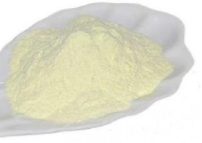

![6-broMo-2-chloro-8-cyclopentyl-5-Methylpyrido[2,3-d]pyriMidin-7(8H)-one](https://eimg.pharmasources.com/image/20250617/4zoOybJjzUTk0UgguabMkX7VnrDIlxHluERwqkjK.jpg)
![6,8-Dioxo-5,7-diazaspiro[3.4]octane-2-carboxylic acid](https://eimg.pharmasources.com/image/product/20250403/02effeb5a7639bc84ff1f3add3c0c64fjpg)
![8,16-Diazadispiro[6.1.6.2]heptadecan-17-one](https://eimg.pharmasources.com/image/product/20250403/ca91cba8b87e53fc879f8d8764873a40jpg)
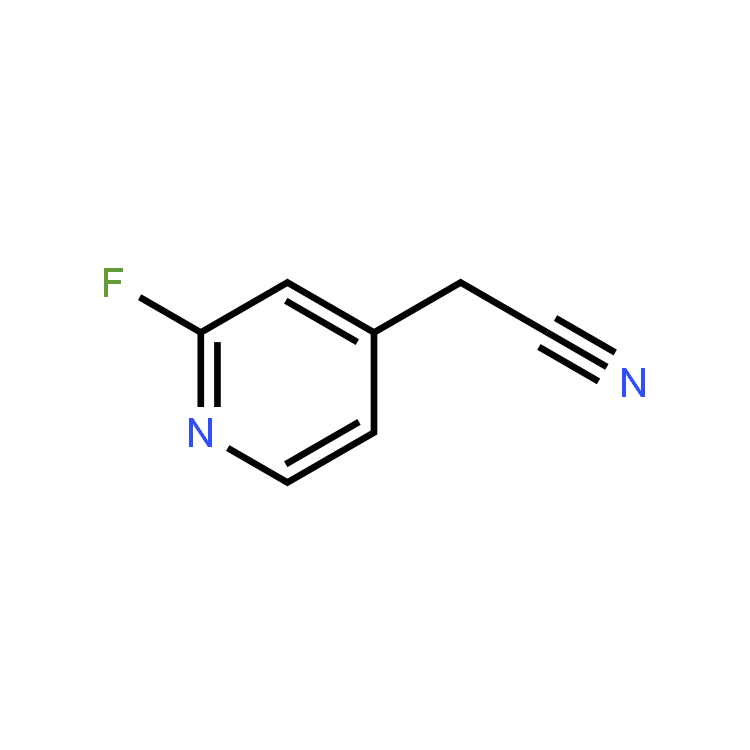
![8-Oxa-1,3-diazaspiro[4.5]decane-2,4-dione](https://eimg.pharmasources.com/image/product/20250403/60fa7223d5a34f24138486ceea0ffb15jpg)



 (All Rights Reserved)