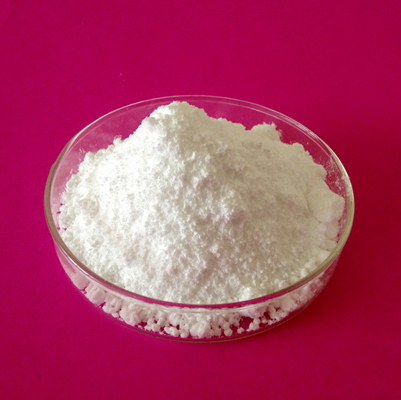
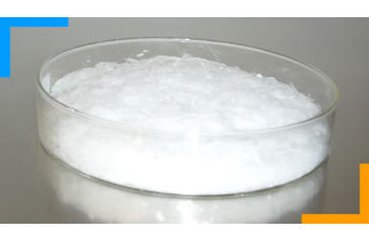
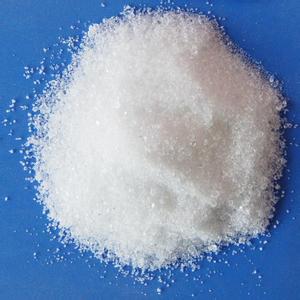
White powder is a kind of affinity adsorbent ligands, and dextran gel together can be made into biological separation materials, combined with some specific enzymes, antibodies can simulate biological inhibition, etc
*The following content is generated by AI and is for reference only.
4-Aminobenzamidine hydrochloride is a specialized organic compound widely utilized in biochemical research and pharmaceutical synthesis. Chemically known as 4-aminobenzamidine hydrochloride, this substance serves as a critical reagent for investigating protease inhibition mechanisms and enzyme kinetics. Its molecular formula is C7H9ClN2O, reflecting the presence of an amino group, a amidine functionality, and a hydrochloride salt form which enhances its solubility in aqueous solutions compared to its free base counterpart. The CAS number for this specific compound is 15063-38-8, a unique identifier essential for cataloging and safety data sheet retrieval across global chemical databases.
The primary application of 4-aminobenzamidine hydrochloride lies in its role as a potent inhibitor of serine proteases, particularly trypsin and thrombin. Researchers frequently employ it to study blood coagulation pathways, inflammation responses, and viral replication processes where proteolytic activity is pivotal. By binding reversibly to the active site of these enzymes, the compound effectively blocks substrate cleavage, allowing scientists to dissect complex biological signaling cascades with high precision. Furthermore, its structural similarity to natural substrates makes it invaluable in drug discovery programs aimed at developing novel anticoagulants or anti-inflammatory therapeutics.
In laboratory settings, this hydrochloride salt is preferred due to its stability and ease of handling. It is typically stored under refrigeration in a dry environment to prevent degradation. When preparing solutions, researchers must account for the acidic nature imparted by the hydrochloride moiety, often adjusting pH levels to maintain optimal experimental conditions. While primarily a research tool, ongoing studies explore its potential derivatives for clinical applications in treating thrombotic disorders or modulating immune responses. As a versatile building block in medicinal chemistry, 4-aminobenzamidine hydrochloride continues to bridge the gap between fundamental enzymology and translational medicine, offering insights into disease mechanisms and therapeutic interventions. Its availability from major chemical suppliers ensures consistent quality for academic and industrial laboratories worldwide, supporting advancements in life sciences and pharmacological innovation.





 (All Rights Reserved)


![8,16-Diazadispiro[6.1.6.2]heptadecan-17-one](https://eimg.pharmasources.com/image/product/20250403/ca91cba8b87e53fc879f8d8764873a40jpg)
![6,8-Dioxo-5,7-diazaspiro[3.4]octane-2-carboxylic acid](https://eimg.pharmasources.com/image/product/20250403/02effeb5a7639bc84ff1f3add3c0c64fjpg)


![8-Oxa-1,3-diazaspiro[4.5]decane-2,4-dione](https://eimg.pharmasources.com/image/product/20250403/60fa7223d5a34f24138486ceea0ffb15jpg)



