Product Description
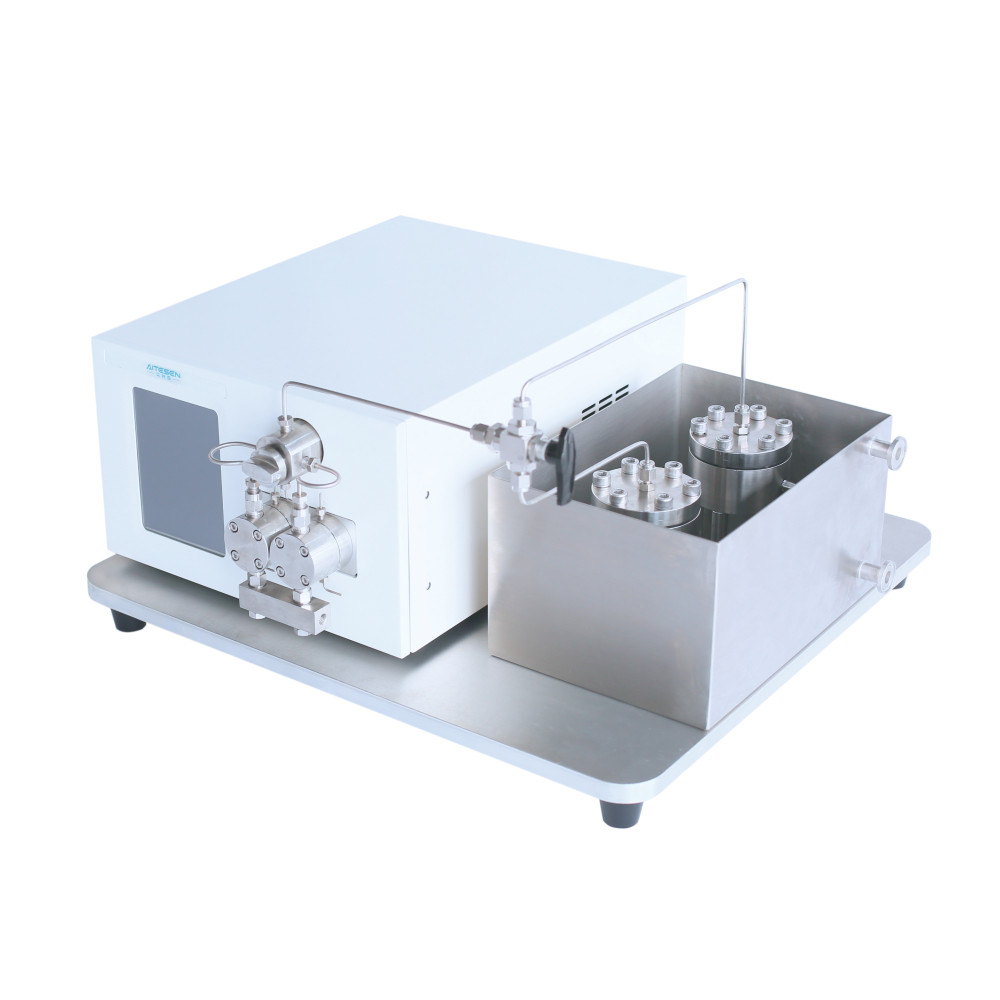
Introduction: It is suitable for the reaction of three-strand or multi-strand material feeding, and multi-strand feeding can also be customized according to experimental needs;
Material: 904L
Operating temperature: -20~250ºC
Operating pressure: normal pressure -5 Mpa
Capacity: 0~100 mL/min (small test), ~500ml, ~1L, ~2L, ~5Lml/min (pilot test);
Fitting line: φ3mm
Other optional materials: Metal material: 316L stainless steel, Harbin C, tantalum, non-metallic material: PEEK, PTFE
AI Product Description
*The following content is generated by AI and is for reference only.
This microfluidic mixing device is engineered for high-efficiency fluid manipulation at the microliter scale, making it indispensable in modern chemical synthesis, biological assays, and pharmaceutical research. Unlike traditional batch reactors, this system utilizes precise laminar flow dynamics or chaotic advection mechanisms to achieve rapid and homogeneous mixing within milliseconds. Its compact design allows for seamless integration into automated liquid handling platforms, enabling researchers to process minute sample volumes with exceptional reproducibility. The primary application areas include kinetic studies of fast reactions, nanoparticle synthesis, cell lysis analysis, and point-of-care diagnostic testing where speed and reagent conservation are critical.
The device typically features chemically inert construction materials such as glass, cyclic olefin copolymer (COC), or polydimethylsiloxane (PDMS), ensuring compatibility with a wide range of solvents, acids, bases, and biological fluids without contamination risks. Users can expect superior control over reaction parameters, including temperature, pressure, and flow rates, which leads to enhanced product quality and reduced waste generation. However, several operational precautions must be observed to maintain optimal performance. First, all tubing connections must be securely tightened to prevent leaks, especially when handling volatile organic compounds under elevated pressures. Second, proper priming procedures are essential to eliminate air bubbles, which can disrupt flow stability and compromise mixing efficiency. Third, regular cleaning protocols should be implemented to prevent clogging from particulate matter or precipitated solids; ultrasonic cleaning or specific solvent flushes are often recommended depending on the material used.
Furthermore, operators should avoid exceeding the maximum rated pressure limits specified by the manufacturer, as structural failure could result in hazardous fluid ejection. When working with corrosive or highly viscous fluids, compatibility checks with the channel surface are mandatory to prevent degradation over time. Finally, calibration of flow controllers prior to each experiment ensures accurate dosing and reliable data collection. By adhering to these guidelines, laboratories can leverage this technology to accelerate discovery processes while maintaining safety and precision standards across diverse scientific disciplines.






 (All Rights Reserved)