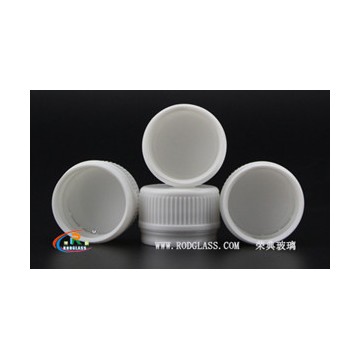
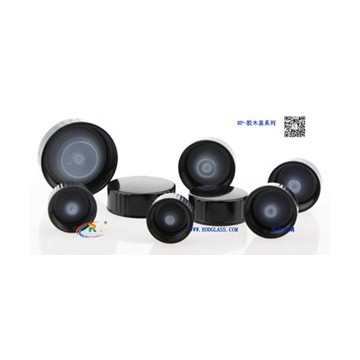
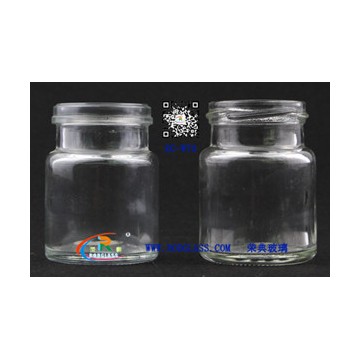
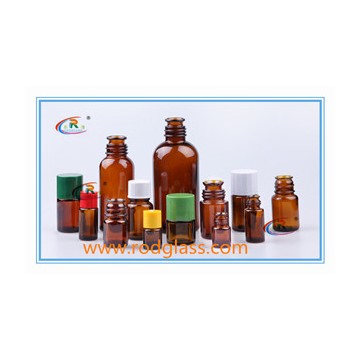
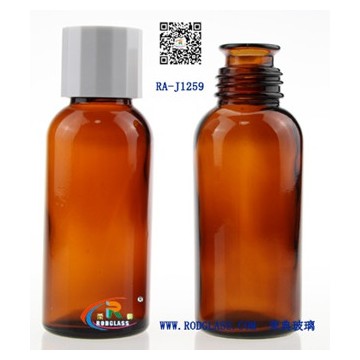
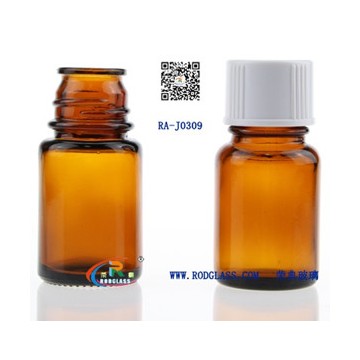
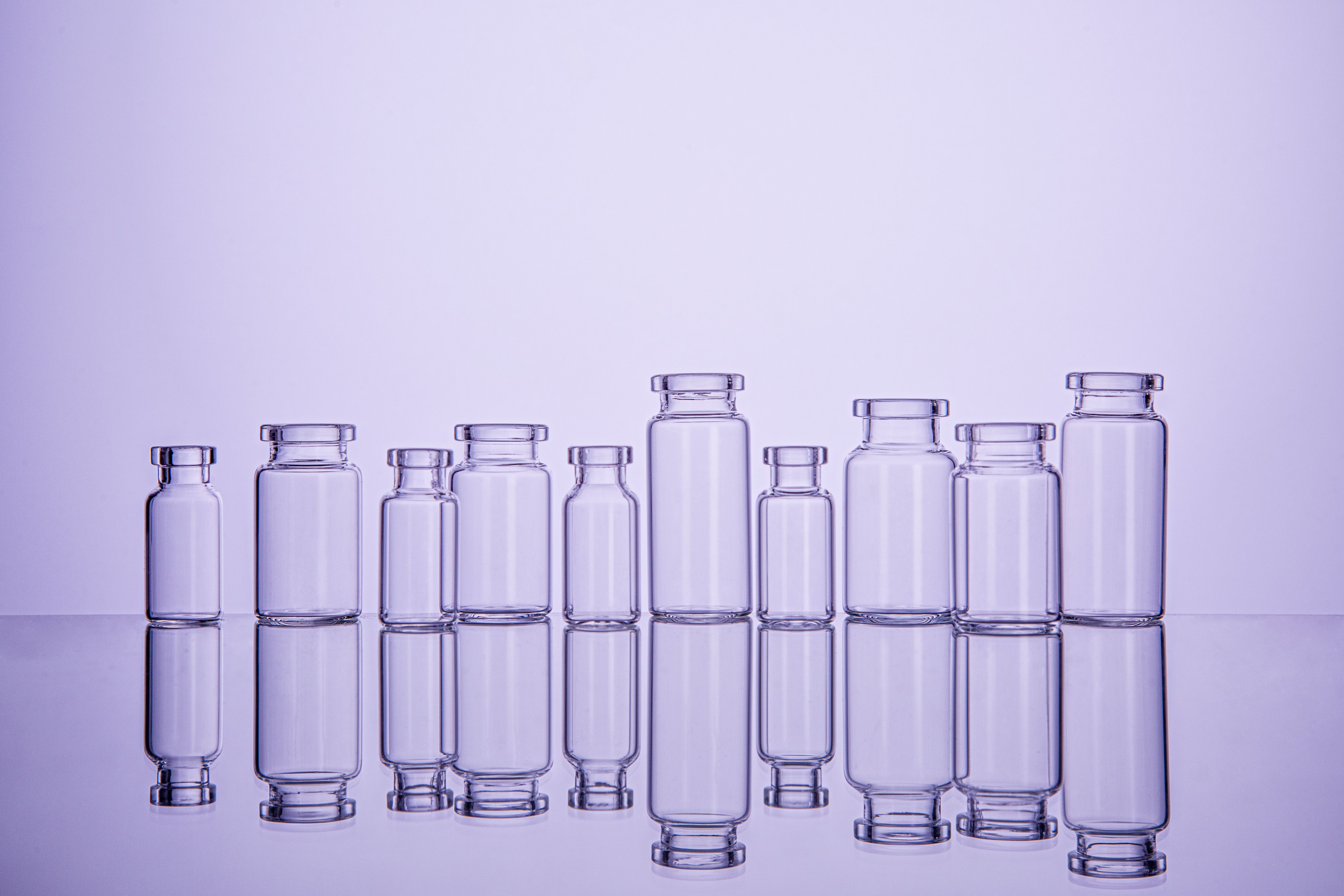
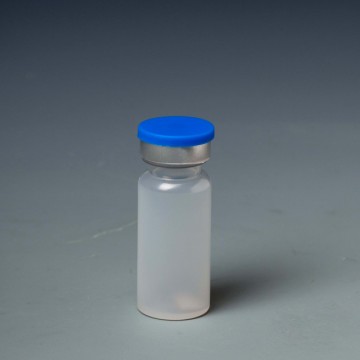
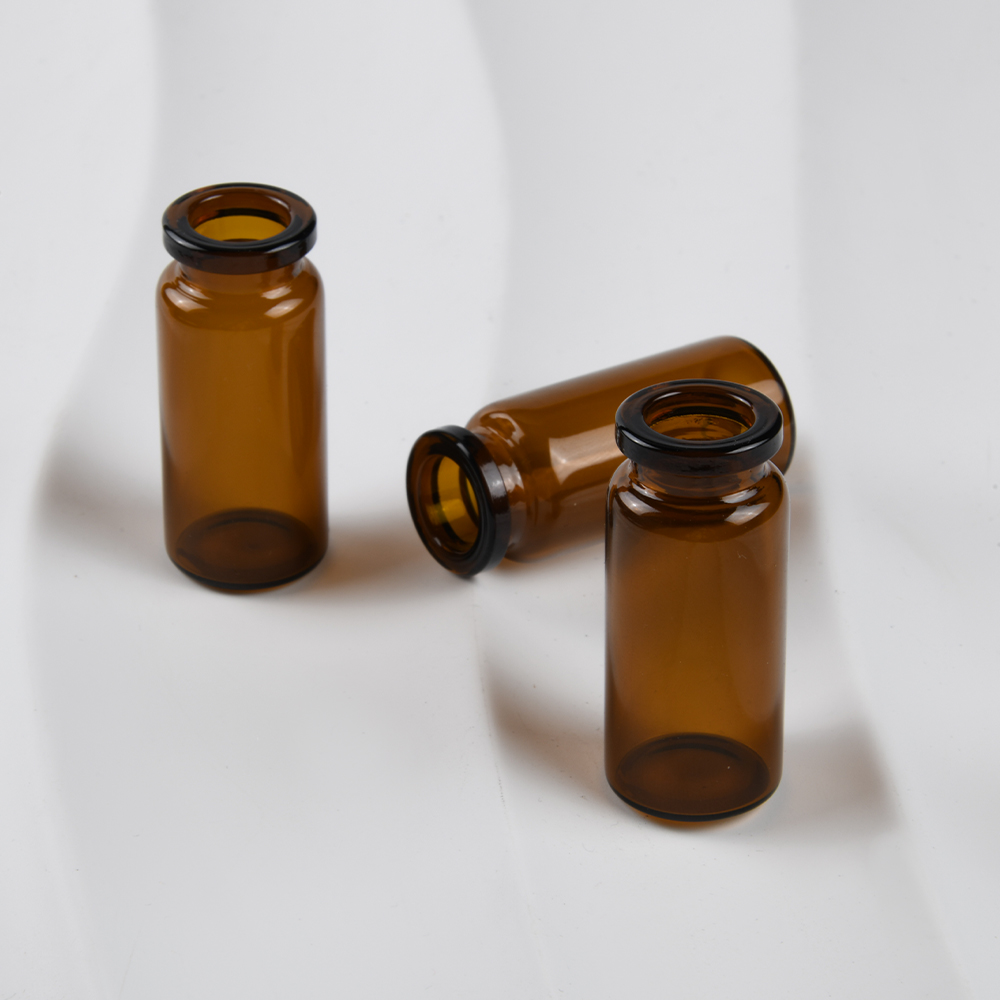
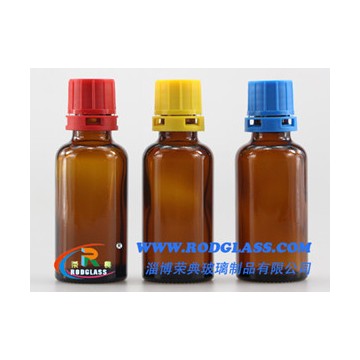
30ml mber chemical reagent glass bottle with Tamper Evidient caps PTFE/Teflon septa,
it’s professional to use the packing of liquid chemicals,good sealing and corrosion resistance,is a superior choice for chemical reagent packing.
Diameter : 33mm
Height : 84mm
●Narrow mouth,accesory Tamper Evidient caps
●Capacity from 10ml-500ml
●Tamper Evidient caps color can be as customer request,and with logo too.
*The following content is generated by AI and is for reference only.
The 30ml amber reagent glass bottle is a specialized laboratory container designed for the secure storage and transport of light-sensitive liquid chemicals, pharmaceuticals, and biological samples. Crafted from high-quality borosilicate or soda-lime glass with an amber tint, this vessel effectively blocks harmful ultraviolet and visible light rays that can degrade photosensitive compounds such as vitamins, essential oils, certain antibiotics, and volatile organic solvents. The standard 30ml capacity makes it ideal for small-scale experiments, sample aliquoting, and precise reagent dispensing in research and industrial settings.
These bottles typically feature a narrow neck to minimize evaporation and contamination while accommodating various closure systems, including screw caps with polyethylene liners or ground glass stoppers. The amber coloration serves as a critical protective barrier, ensuring the chemical integrity of the contents over extended periods without the need for opaque secondary packaging. This feature is particularly vital for maintaining the efficacy of unstable reagents during long-term storage or shipping.
When utilizing these containers, several precautions must be observed to ensure safety and product longevity. First, always verify the chemical compatibility between the stored substance and the glass type; while most acids and bases are compatible, hydrofluoric acid and strong alkalis at high temperatures may etch the glass surface. Second, ensure the cap is tightly sealed after every use to prevent leakage, oxidation, or moisture ingress, which could compromise the sample. Third, avoid exposing the bottle to extreme thermal shock; although borosilicate glass offers superior thermal resistance, rapid temperature changes can still cause breakage. Finally, handle all glassware with care to prevent accidental drops or impacts, as broken glass poses significant safety hazards in the laboratory environment. Proper labeling is also mandatory to clearly identify contents, concentration, and hazard warnings. By adhering to these guidelines, researchers can maximize the shelf life of sensitive liquids and maintain a safe working environment.





 (All Rights Reserved)